








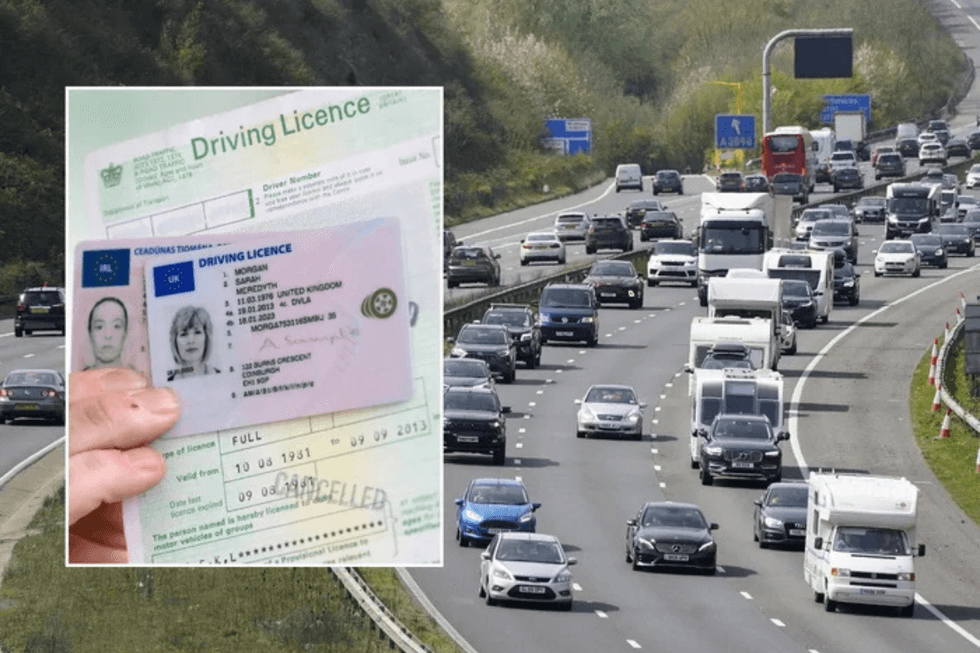
Thousands of drivers have been slapped with hefty fines and risk having their licence stripped for dangerous practices while behind the wheel.
According to new research, more than 12,300 drivers have been caught drug-driving on at least three separate occasions in the last 11 years.
This figure marks five times the number of drivers caught repeat drink-driving over the same period since 2014.
Drivers caught drug-driving can be issued a DG10 endorsement, which can result in penalty points ranging from three to 11, depending on the severity.
The RAC report stated that the high figure compares to just 2,553 drivers who accrued three or more DR10 or DR20 endorsements for drink-driving convictions during the same period.
In total, the data found 41,422 driving licence holders were convicted of drug-driving more than once in the last 11 years.
RAC senior policy officer Rod Dennis said: "While it's drink-driving that tends to attract most of the headlines in the UK, these figures show just how much of a problem the more 'under-the-radar' issue of drug-driving is becoming. Thousands of drivers on the road today have been caught for drug-driving more than once.
"Drug-driving reoffending rates dwarf those of drink-driving, which suggests that current penalties aren't effective in preventing some drug-drivers from repeating their crimes and putting everyone at risk."
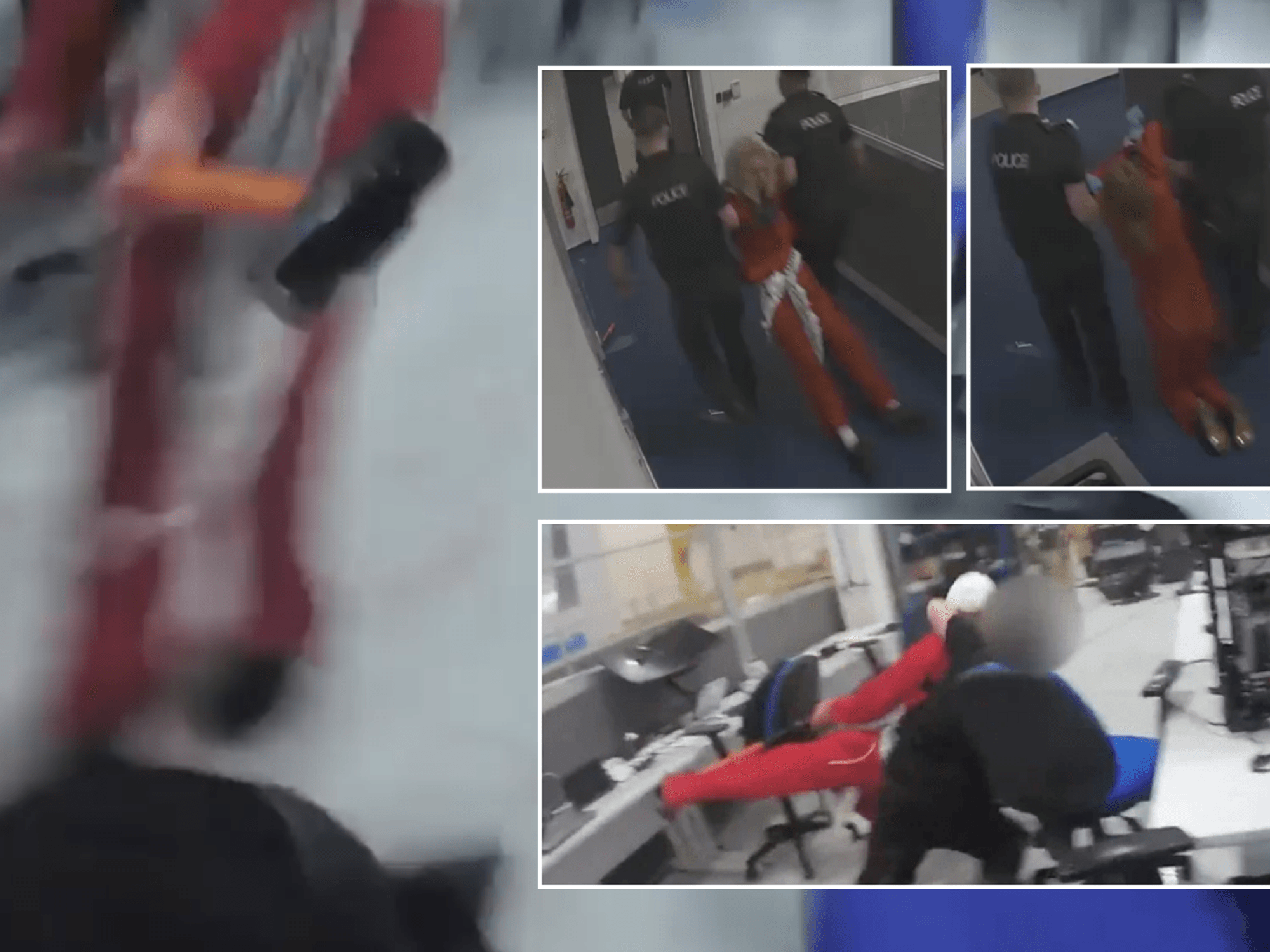
Motorists could be stripped of their driving licence if they are caught drug-driving in the UK
|PA/GETTY
In response to the high figures, the RAC has called for the introduction of a national drug-driving rehabilitation scheme, which could also help to cut reoffending, in a similar move required for drink-drivers.
The analysis found one driver had accumulated 18 separate drug-driving convictions, while a separate case saw another driver with 17 convictions.
Meanwhile, the data recorded numerous cases of drivers with between 12 and 14 convictions, while 94 motorists currently have eight drug‑driving offences on their record. In total, 32 drivers have 10 separate DG10 convictions, and 38 have nine.
The Freedom of Information data to the DVLA revealed that 72,662 motorists had at least one DG10 drug-driving conviction on their driving licence.
LATEST DEVELOPMENTS
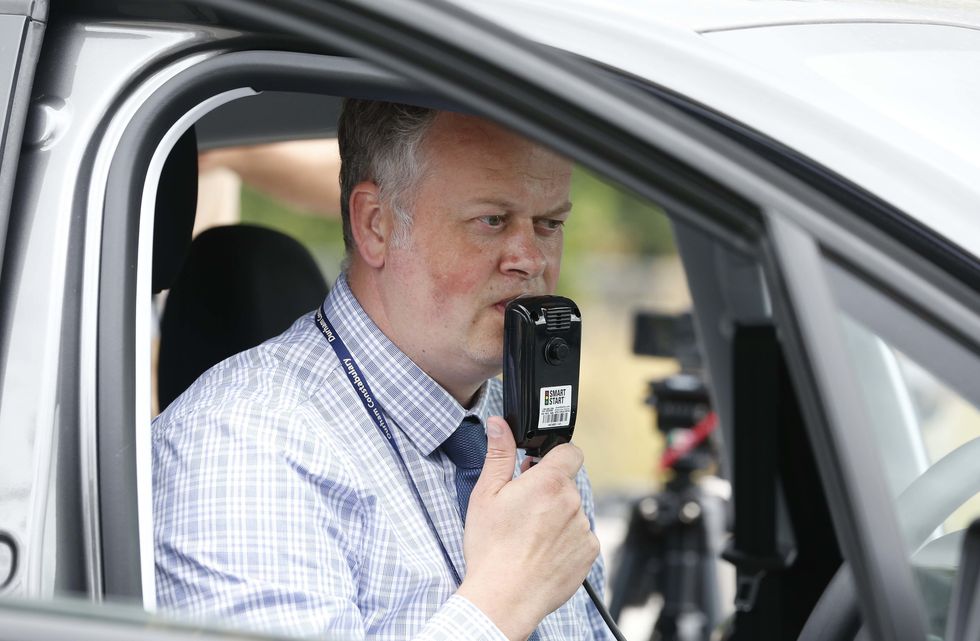 The new Road Safety Strategy hoped to discourage drink and drug driving offences | PA
Concerningly, 4,131 drivers had accrued endorsements while holding a provisional licence before they had even passed their test.
In the UK, drivers caught drug-driving can be given a minimum one-year driving ban, an unlimited fine, or, in more serious cases, up to six months in prison as well as a criminal record.
Mr Dennis added: "Our analysis highlights some extreme examples, including drivers accumulating up to 18 separate drug-driving convictions, and the fact that more than 4,000 drivers with just a provisional driving licence have accrued DG10 endorsements.
"The Government has committed to tackling this growing problem as part of its road safety strategy, including reviewing the penalties and mandatory training offenders receive, as well as considering new powers to immediately suspend the licences of drivers caught."
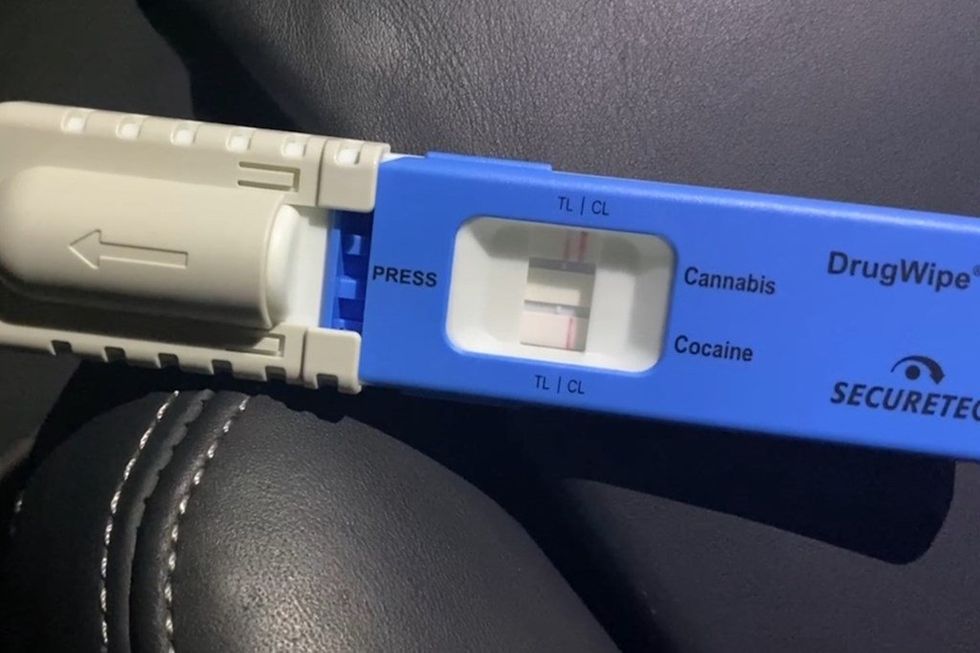 In the UK, drivers found guilty of drug driving could face 12 months in prison | ESSEX POLICE
He explained how countries such as Australia already use roadside saliva testing of suspected drug drivers, with the Government urged to launch a similar system in the UK.
Earlier this year, the Government unveiled its new Road Safety Strategy, which included a tougher look at penalties for drug and drink-driving.
It stated: "Review the penalties and mandatory training for drink and drug-driving offences, including consulting on the use of alcohol interlock devices."
The review will also look at exploring alternative methods for drug-driving evidence collection and processing, which could include new saliva-based testing.