







Experts have issued a warning to motorists that could see them stripped of their licences for a little-known mistake relating to a common medication.
As temperatures begin to rise across the UK, millions of people are starting to feel the effects of hay fever and high pollen counts.
The Met Office has already issued high pollen count warnings across parts of the UK this year, with hot weather set to sweep the nation next week.
Drivers are being urged not to underestimate the joint impact of hay fever symptoms and allergy medicines when operating a vehicle.
Experts from GEM Motoring Assist have warned that medicines used for hay fever can cause drowsiness and affect concentration.
It added that any motorist who has their ability to drive impaired by legal medication could still be breaking road rules.
Guidance from the NHS states that cetirizine, which is commonly sold under brands like Benadryl and Piritize, is classed as a non-drowsy antihistamine.
Despite this, some people may still feel drowsy after taking the medication, with the NHS advising them to avoid driving a car, riding a bike, or using tools or machinery.
 Motorists could be stripped of their driving licence if they take hay fever tablets | GETTY
It reiterates that it is an offence to drive a car if their ability to operate the vehicle is impaired, and it is the responsibility of the motorist to decide if it's safe to drive.
The warning comes as hay fever cases have tripled over the last two decades, with it affecting around 26 per cent of adults in the UK.
Data from the UK Health Security Agency states that between 10 and 15 per cent of children suffer from hay fever, while those with eczema or asthma could be more at risk of dealing with hay fever.
James Luckhurst, road safety adviser at GEM, said: "GEM is keen to ensure that drivers affected by hay fever understand that some remedies can affect their ability to drive safely.
LATEST DEVELOPMENTS

More than a quarter of UK adults are believed to suffer from hay fever
| GETTY"They could cause tiredness, dizziness or grogginess, as well as compromising a driver’s vision and reaction time.
"That's why we recommend you check with your GP or pharmacist before driving, and you read all warnings contained on the labels of the medicines you plan to take."
The expert emphasised that the same traffic laws that apply to illegal drugs also apply to legal medicines.
It is illegal to drive if they are unfit to do so because they are on legal or illegal drugs, which include prescriptions or over-the-counter medicines.
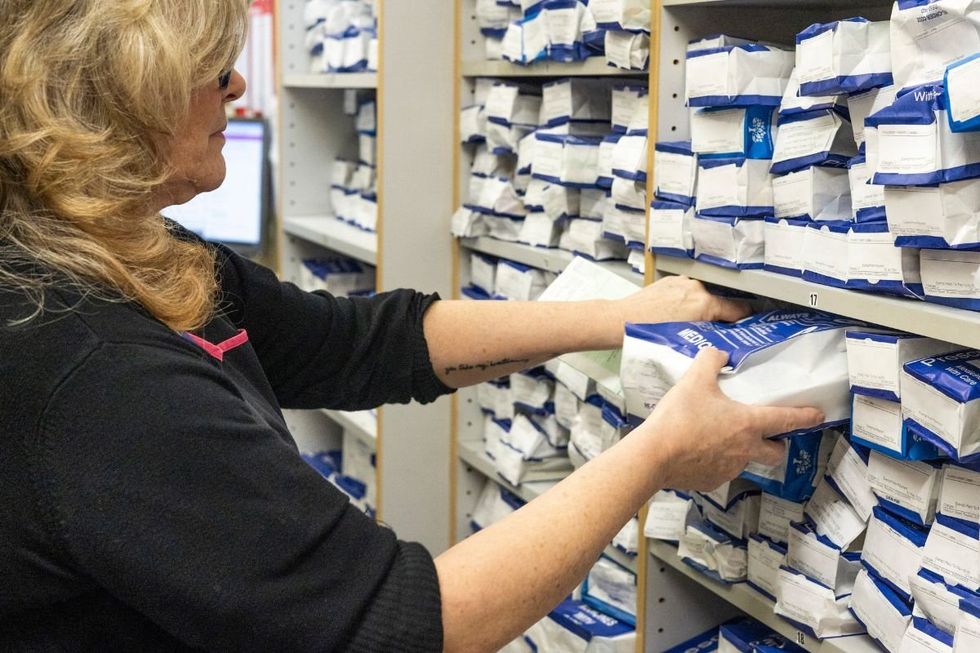
Motorists are advised to check with their pharmacist if they are safe to drive with certain medications
| GETTYMotorists convicted of drug-driving may receive a minimum one year driving ban, an unlimited fine, up to six months in prison and a criminal record.
Once convicted, people will have the drug-driving offence on their driving licence for 11 years, making it harder to travel to certain countries, increasing the price of car insurance and their employer will see the conviction if they drive for work.
GEM urged motorists to check with their doctor or pharmacist to see if any medicine could affect their ability behind the wheel, especially if they are taking it for the first time.
They should also try a new medicine for the first time at home, and refrain from driving if they believe they will be affected. If they do need to travel, they should arrange alternative transport.