








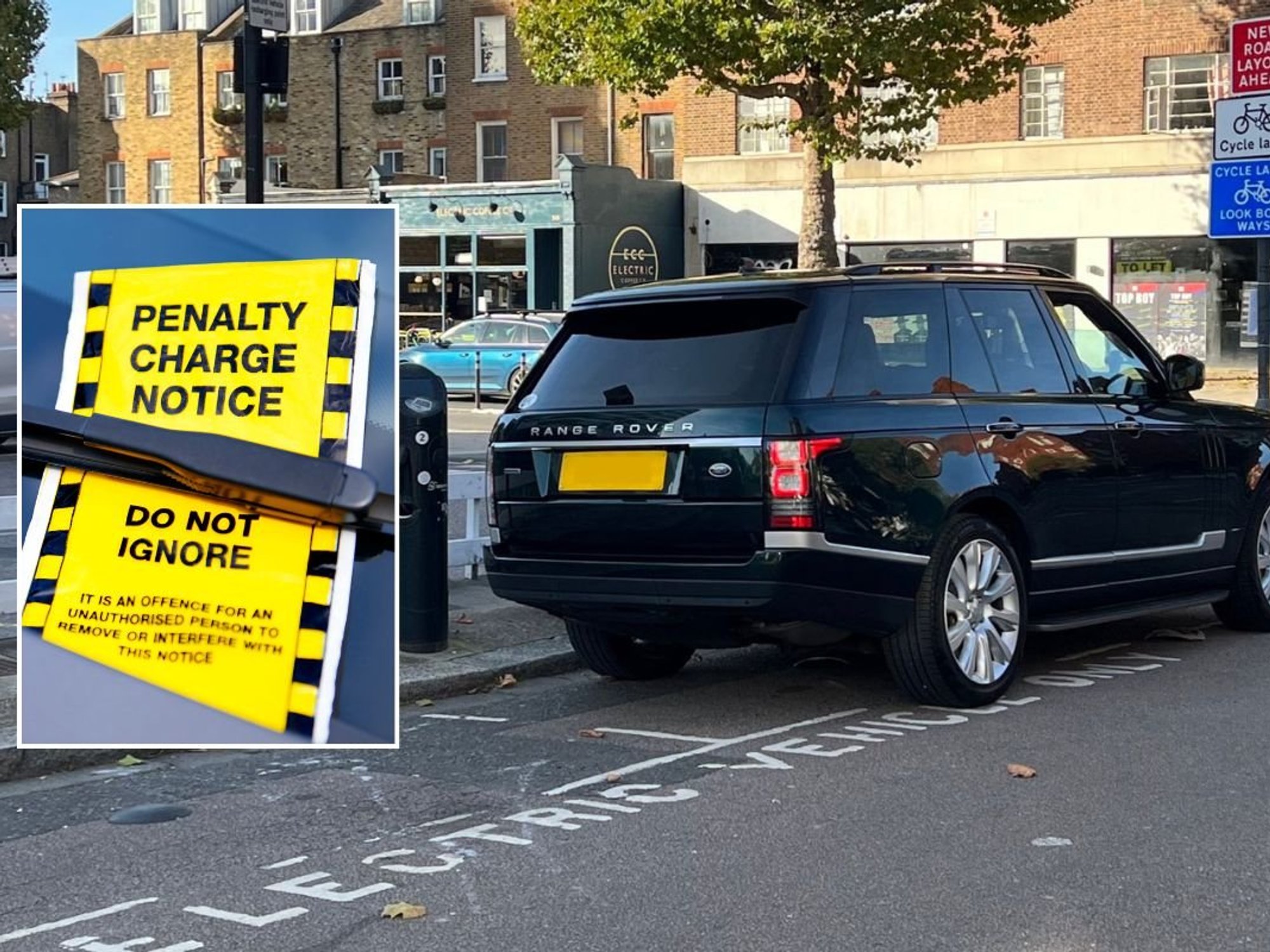
Almost half a million drivers have been slapped with new car taxes over the last year after Chancellor Rachel Reeves introduced new rules for motorists.
New research has found that over 426,000 drivers have been subject to the Government's so-called "luxury car tax" this year after new rules were launched to raise funds.
The Expensive Car Supplement charges motorists £425 a year for the five years after the first year of registration, if the vehicle costs more than £40,000.
Data obtained through a Freedom of Information request from the DVLA has found that the number of petrol, diesel, electric and hybrid vehicles paying the ECS was just under 300,000 in the 2022/23 financial year.
TRENDING
Stories
Videos
Your Say
Since then, the Government has seen a huge 42 per cent increase in the last two years to a staggering 426,758 paying the Expensive Car Supplement.
The £40,000 threshold was first introduced in 2017 in a bid by the Government to raise funds from high-end, premium vehicles.
However, in recent years, drivers looking to buy mid-range and electric vehicles have been caught within the threshold of the ECS and required to pay hundreds of pounds a year.
Although prices of electric cars have been falling in recent years, some vehicles still exceed the threshold, prompting experts to call for changes to amend the rate.
READ MORE: Rachel Reeves hikes 'luxury car tax' as drivers face £474 annual cost on popular vehicles
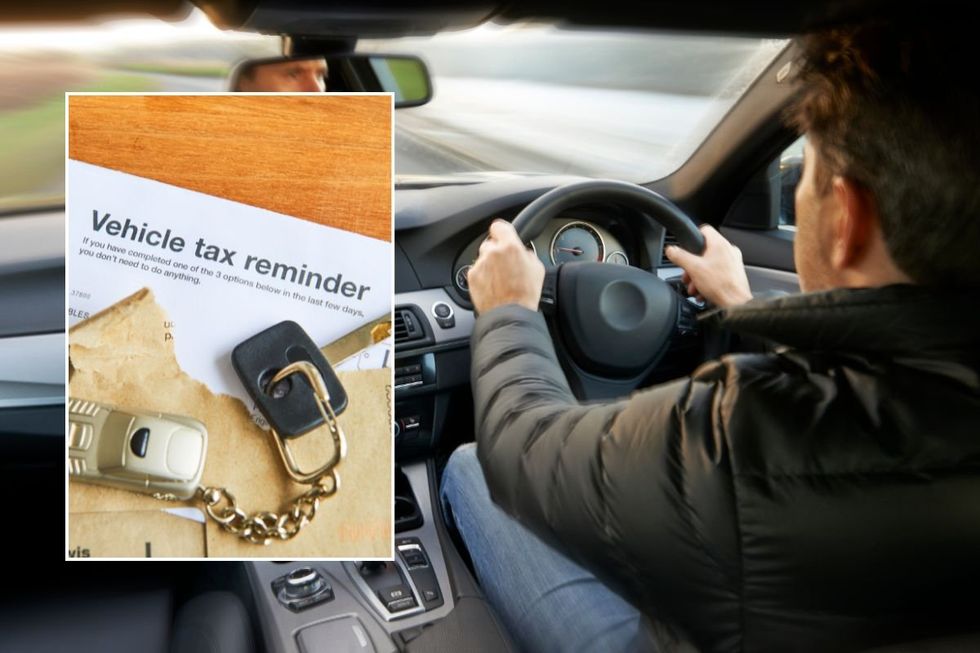
More than 426,000 people have been slapped with extra taxes this year
|GETTY
These changes were confirmed in 2025, when electric car owners were required to pay Vehicle Excise Duty for the first time, which also made them eligible to pay the Expensive Car Supplement.
Ben Welham, motoring expert at Marshall Motor Group, said: "The FOI data shows just how many modern cars have ended up above the £40,000 threshold. These are vehicles that many drivers wouldn't consider 'expensive' by today's standards."
In the Autumn Budget, Chancellor Rachel Reeves confirmed that the Expensive Car Supplement would be uprated from £40,000 to £50,000 from April 1, 2026.
The £50,000 tax threshold will only apply to zero emission vehicles, with the Treasury estimating that more than one million motorists could save £440 a year.
LATEST DEVELOPMENTS
Hybrid models remain the most common fuel type in the luxury tax bracket, with the number of hybrids doubling from 116,568 to 247,613 in just two years.
Figures show that the Expensive Car Supplement was more consistently applied to larger family cars, rather than "premium" models generally associated with such a price tag.
Mr Welham continued saying: "Hybrids are increasingly common and have become the go-to choice for families who want fuel efficiency without going fully electric.
"But a hybrid SUV can easily tip over £40,000 when it's equipped with the safety and tech features many buyers expect today. Many of these are modern, practical family cars caught in tax bracket intended for cars with a more premium feel."
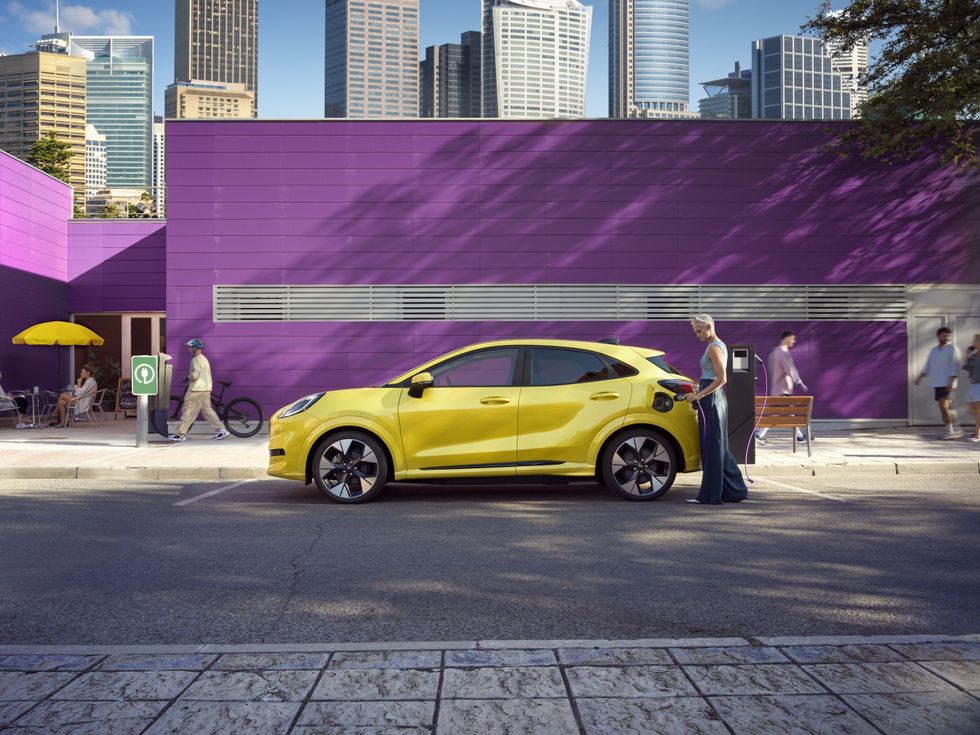 The Ford Puma Gen-E is one of eight vehicles eligible for the £3,750 Electric Car Grant incentive | FORD
Prior to the threshold changes, some manufacturers decided to cut prices below £40,000 to help increase uptake among British drivers.
More than 40 models are now eligible for Labour's Electric Car Grant, which can help drivers save as much as £3,750 off the price of an EV that costs £37,000 or less.
The expert praised the decision to increase the threshold to £50,000, noting that many "mid-range" vehicle owners would no longer be exposed to an extra tax.
"Battery costs mean a mid-spec electric family SUV will naturally sit slightly higher than its petrol equivalent, but that doesn't make it a luxury purchase," Mr Welham said.