








Millions of people are set to gather in Spain for a once-in-a-century total eclipse, dubbed the nation's most significant astronomical spectacle in more than 100 years.
The total solar eclipse, which is scheduled for August 12, is forecast to attract millions of visitors and inject over £312million into the tourism sector.
Officials hope the celestial event will draw holidaymakers away from overcrowded Mediterranean coastal resorts towards less-visited northern and inland areas.
The eclipse's trajectory will sweep diagonally through northern and eastern parts of the country before reaching the Balearic Islands.
According to the Spanish government, the Iberian Peninsula represents "the only populated place in the world where the total solar eclipse of August 12 can be fully enjoyed".
The mountainous Asturias region on Spain's Atlantic coast is aggressively promoting itself as one of Europe's premier eclipse-watching locations.
Authorities point to minimal light pollution and the fact that the sun will remain above the horizon longer there than in most other Spanish regions.
Regional tourism chief Gimena Llamedo said: "Asturias will stand out as one of the best places in the world to witness a total solar eclipse."
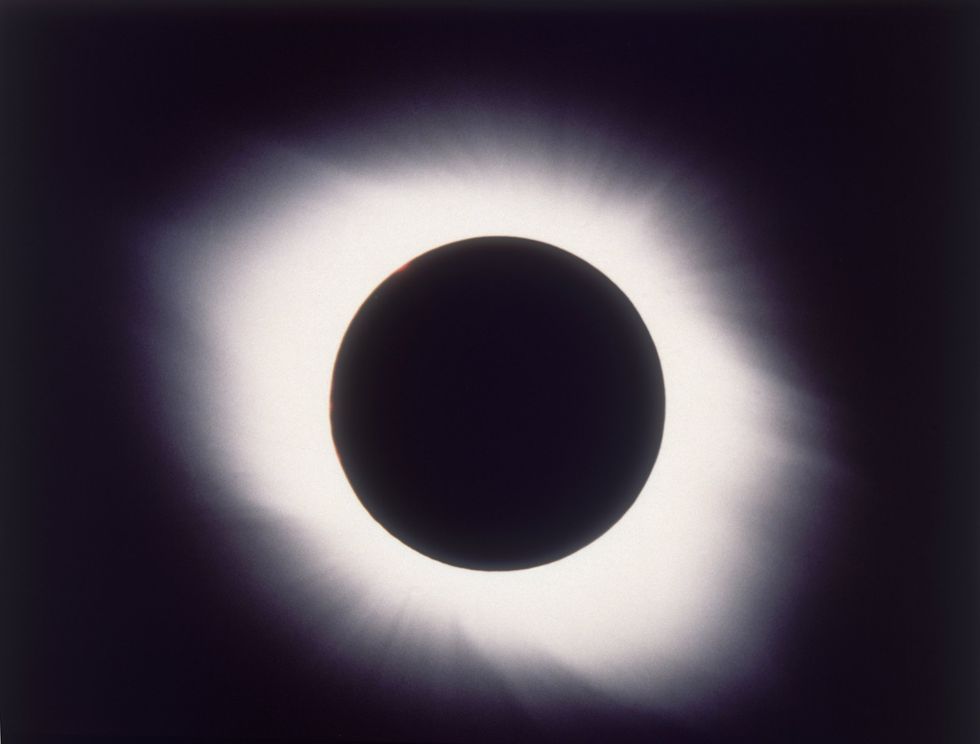
Millions of people are set to gather in Spain for a once-in-a-century total eclipse
|GETTY
At the Coto Bello viewpoint, a former mining route now transformed into a celebrated mountain climb, a newly constructed platform sits nearly 1,200 metres high, offering sweeping 270-degree vistas across the Cantabrian mountain range.
The tourism surge is already well underway, with accommodation providers reporting unprecedented demand.
Bookings have been flooding in for months from the United States, Canada and across Europe.
In the industrial port city of Avilés, luxury hotels have no rooms left.
LATEST DEVELOPMENTS
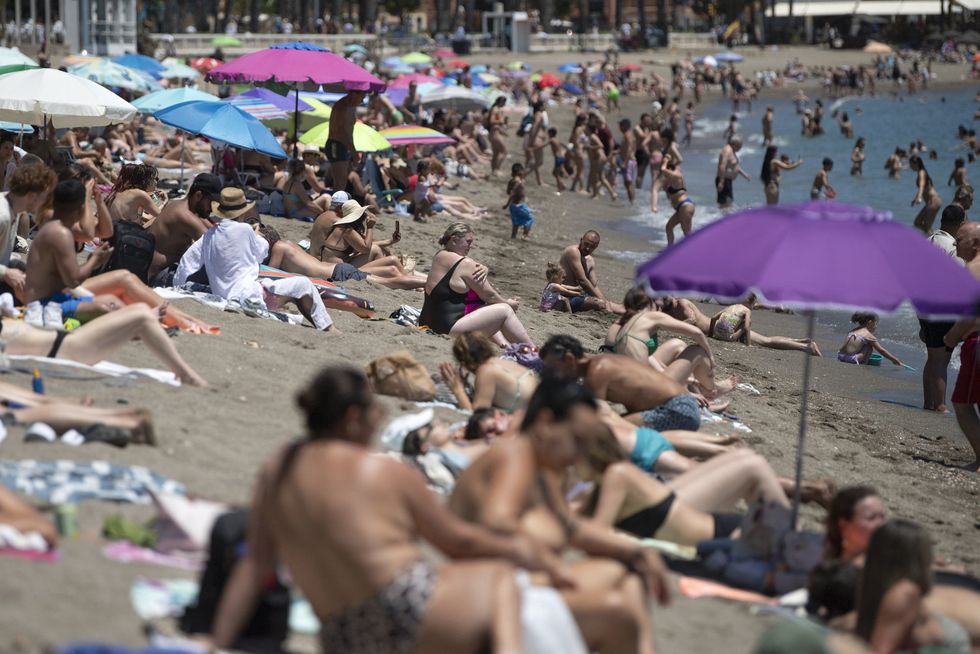
Officials hope the celestial event will draw holidaymakers away from overcrowded Mediterranean coastal resorts towards less-visited northern and inland areas
|GETTY
The state-run Paradores chain reports its inland properties are approaching full occupancy for eclipse week.
Organisers are placing significant emphasis on eye safety ahead of the event.
Lucía Allande, an astronomer with Star, an Asturian organisation helping the regional government prepare for the event, told the Times: "We’re in a very good position because the eclipse will be visible in its entirety here.
"In other regions, the sun sets before the eclipse finishes. Here we’ll be able to see it completely."
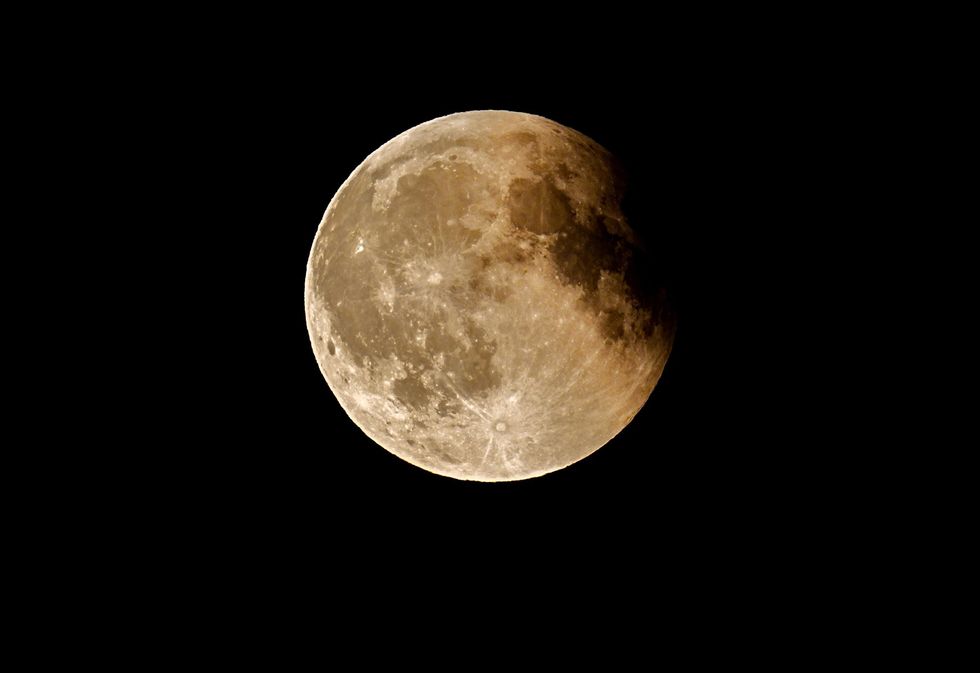
Local authorities have been running solar observation workshops and astronomy classes in the months leading up to August
|GETTY
She stressed the importance of proper protective equipment: "We're focusing above all on prevention and safety.
"We want people to understand that they need special eclipse glasses and how to use them properly."
Local authorities have been running solar observation workshops and astronomy classes in the months leading up to August.
However, the region's notoriously unpredictable Atlantic weather poses a considerable risk.
Meteorological assessments indicate cloud cover probability of between 40 and 60 per cent during August.
Our Standards: The GB News Editorial Charter