









An eight-year-old boy discovered a nearly 2,000-year-old Roman artefact after noticing an "unusual object" on the ground.
Dor Wolynitz from Rehovot in Israel was on a family outing in the Ramon Crater region when he spotted the artefact.
The schoolboy had been hunting for interesting objects to present to his classmates when a striped stone caught his attention.
Dor explained: "It seemed like an unusual object to me, so I showed it to Akiva, an archaeologist and my Dad's friend, who was with us on our trip."
The family friend, who happened to be accompanying them on the weekend excursion, confirmed the youngster's find.
Akiva Goldenhersh, a supervisor at the Israel Antiquities Authority's Theft Prevention Unit, was initially puzzled by the discovery.
He said: "At first I thought it was a fossil, but then I noticed the sculpted folds of the garment, and I was very excited!"
The object was revealed to be a fragment of a small statuette, approximately 6cm by 6cm.
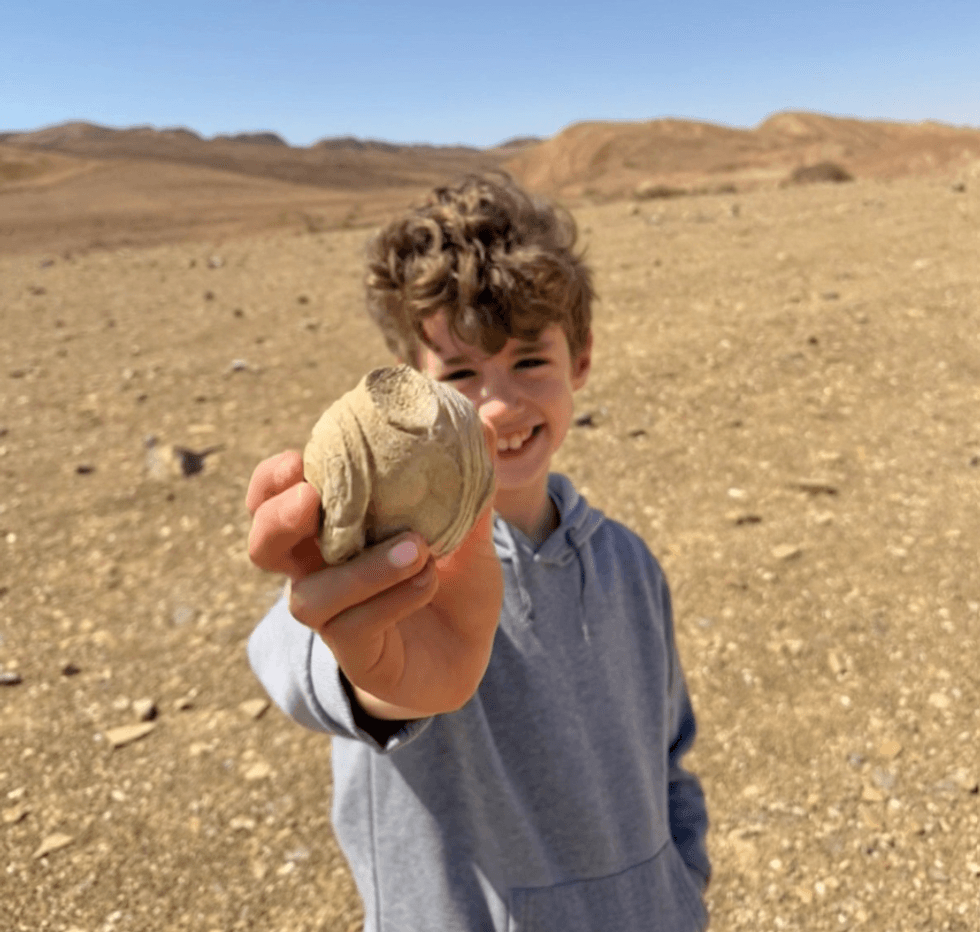
An eight-year-old boy discovered a 1,700-year-old Roman artefact after noticing an 'unusual object' on the ground
|ISRAEL ANTIQUITIES AUTHORITY
It depicted the intricately carved drapery of a cloak enveloping a human form.
Laboratory examination by Dr Nimrod Wieler, a geologist with the Israel Antiquities Authority, determined the piece was fashioned from phosphorite, a mineral found throughout the Negev desert.
He suggested the materials used in its creation pointed to local craftsmanship.
Experts believe the statuette's style and garments date it to the Roman era - roughly 1,700-2,000 years ago.
LATEST DEVELOPMENTS:
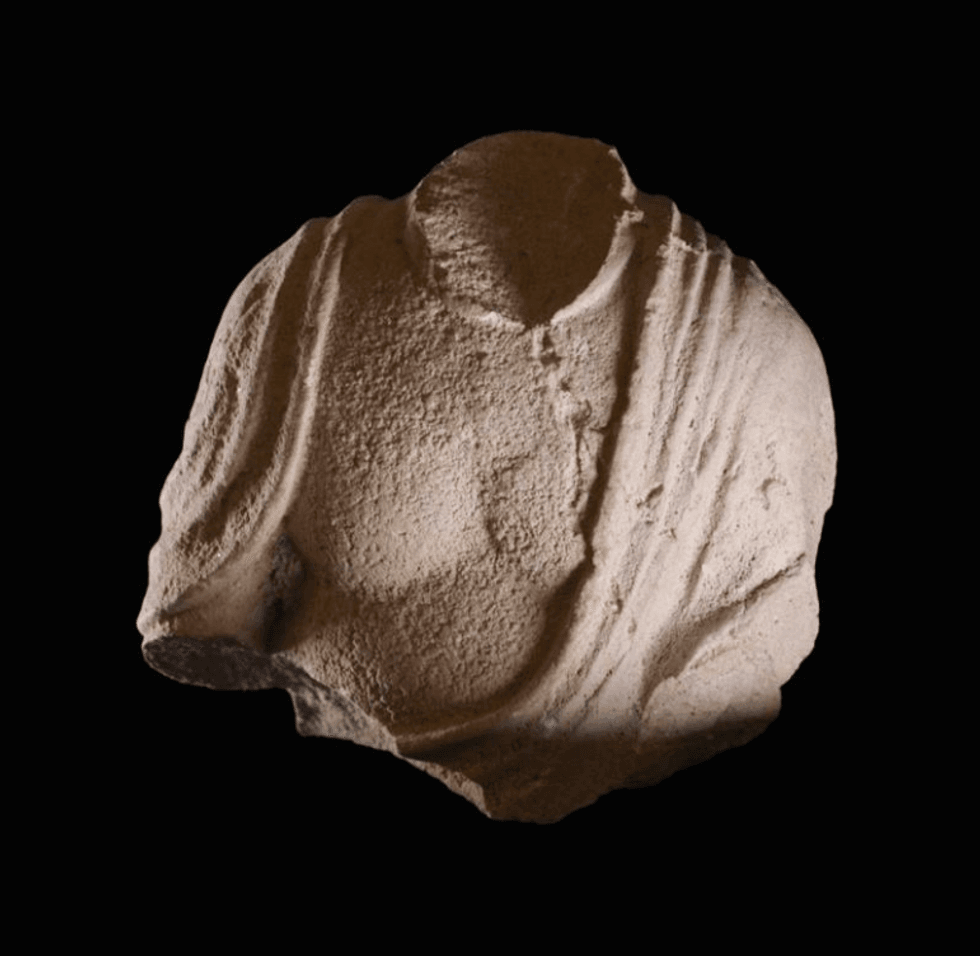
The object was revealed to be a fragment of a small statuette, approximately 6cm by 6cm
|ISRAEL ANTIQUITIES AUTHORITY
The artefact is said to depict Jupiter or Zeus-Dushara, a deity combining Nabatean and Greek religious traditions.
The Ramon Crater held particular importance in antiquity as part of the international Spice Route.
It saw considerable traffic during both the Roman and Nabatean periods.
Following his discovery, Dor handed the artefact to the National Treasures Department.
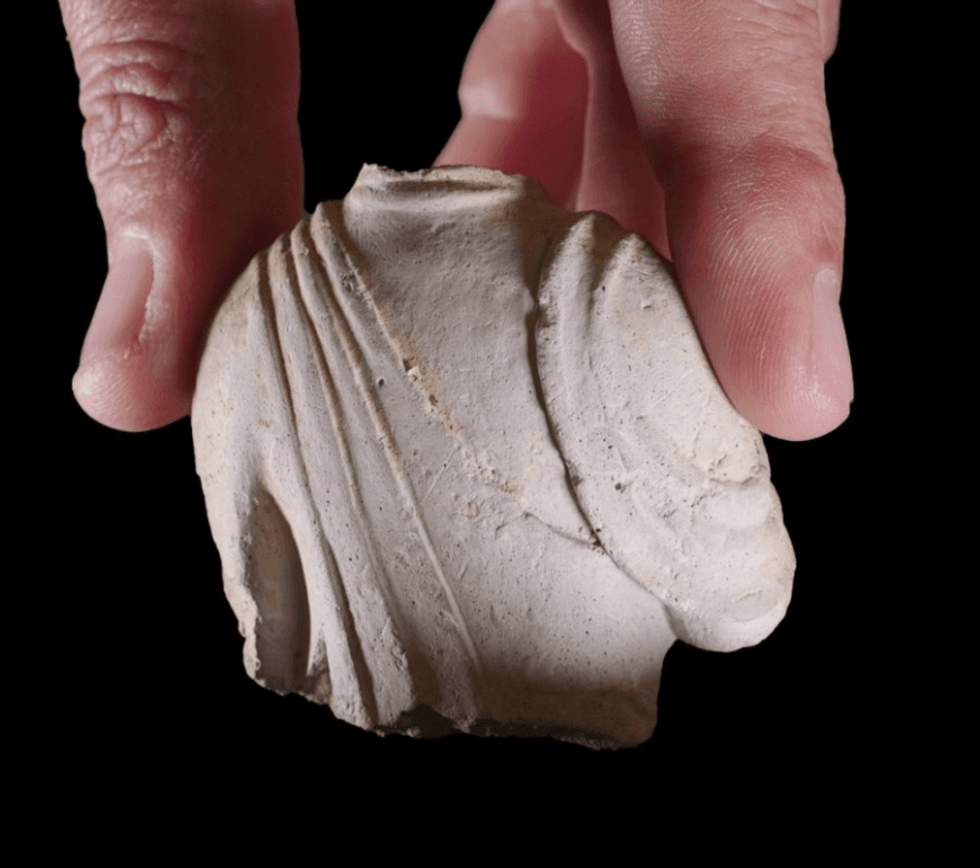
The artefact depicted the intricately carved drapery of a cloak enveloping a human form
|ISRAEL ANTIQUITIES AUTHORITY
The artefact is set to be preserved by the institute for future study.
The young boy was presented with a certificate acknowledging his good citizenship.
Mr Goldenhersh commended the family's conduct.
He said: "Dor and his family are a role model in preserving our shared heritage."