







It seems every day I wake up to a new violent attack in the UK. Raised on endless debates about gun violence and school shootings, we Yanks assume Britain to be a noticeably safer, more orderly society.
Recent events under this Labour government have forced a reassessment. The horrific knife attack in Belfast, where a man confirmed to be Sudanese has been arrested, together with repeated school stabbings, points to a rise in random public violence that is eroding the nation's reputation for everyday safety.
And let us not forget the tragedy of Henry Nowak, which burns in our memories. These are abject failures of core government responsibility.
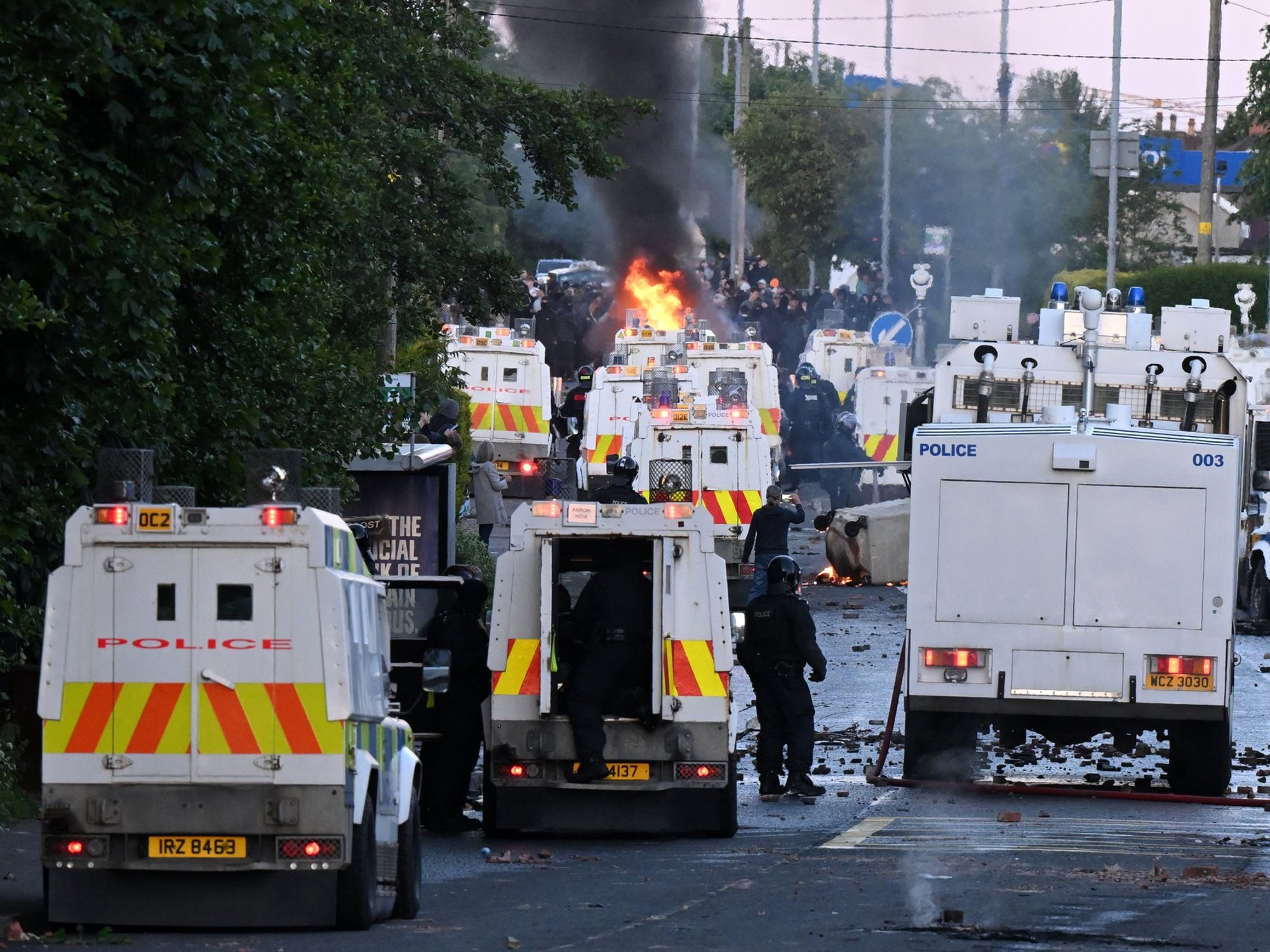
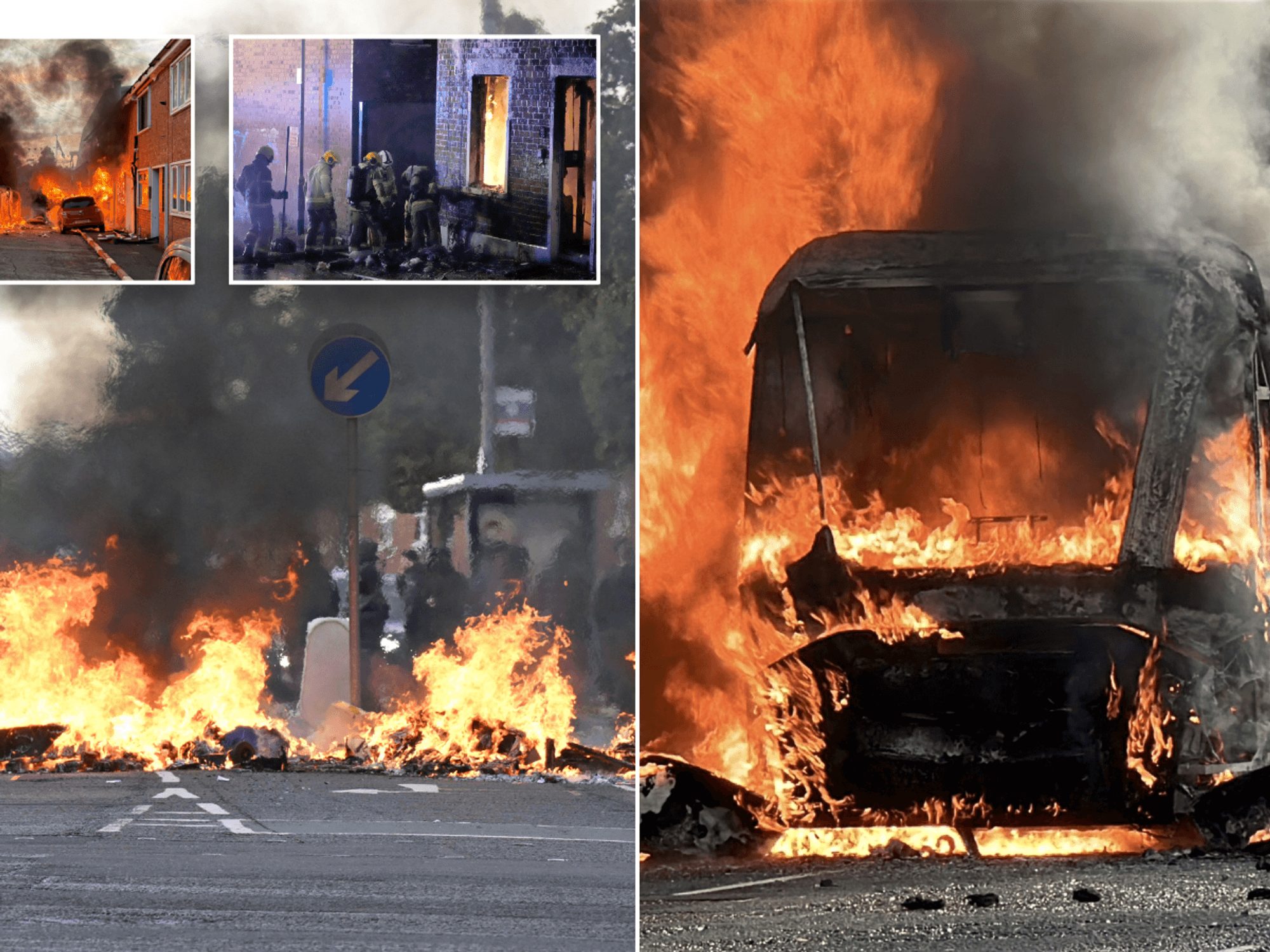
On Monday night in Belfast, a man in his 40s was slashed in a beheading attempt, suffering critical injuries to his face, neck and back. Bystanders bravely stepped in to halt the assault.
Police arrested a man, believed by officers to be Somali but later confirmed as Sudanese, at the scene on suspicion of attempted murder.
It was the most graphic, open violence on an ordinary street in front of witnesses — the kind of incident that leaves entire communities shattered.
Such incidents are not isolated. In February, two boys aged 12 and 13 were stabbed in the neck inside Kingsbury High School in London – an event serious enough to draw initial counter-terrorism police involvement.
Knives have also been brought into classrooms and playgrounds across different parts of the country. These events spread fear directly into the places parents expect to be secure.

Northern Irish police confirmed a migrant, who arrived in Belfast from Dublin, has been charged in connection an attempted murder
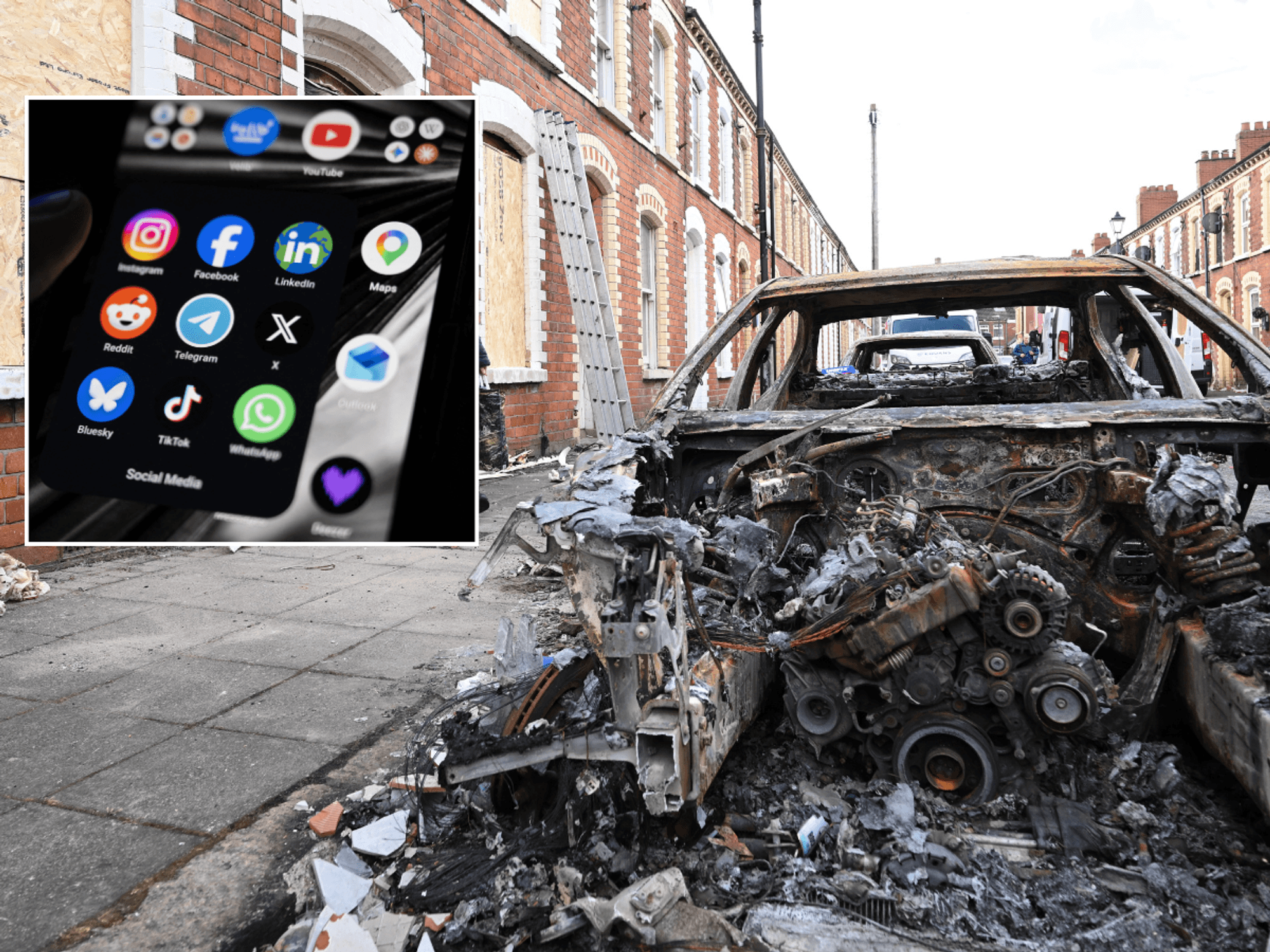
| XWhile police-recorded knife offences fell 10 per cent in the year ending December 2025, and knife homicides dropped, the public sees graphic, high-profile attacks that dominate headlines, social media footage and daily conversation. Official averages do not erase the visible pattern of brutality.
Americans fight over guns and occasional mass shootings. Britain confronts spontaneous knife attacks, which can erupt in any public space at any time.
A blade turns routine walks, school runs, or town centre visits into potential emergencies. Britain long distinguished itself by markedly lower levels of casual street violence compared with many Western peers.
That hard-won advantage is visibly weakening under current conditions. These high-profile cases have unfolded against the backdrop of Labour’s sustained high net migration and ongoing small boat arrivals across the Channel.
LATEST DEVELOPMENTS
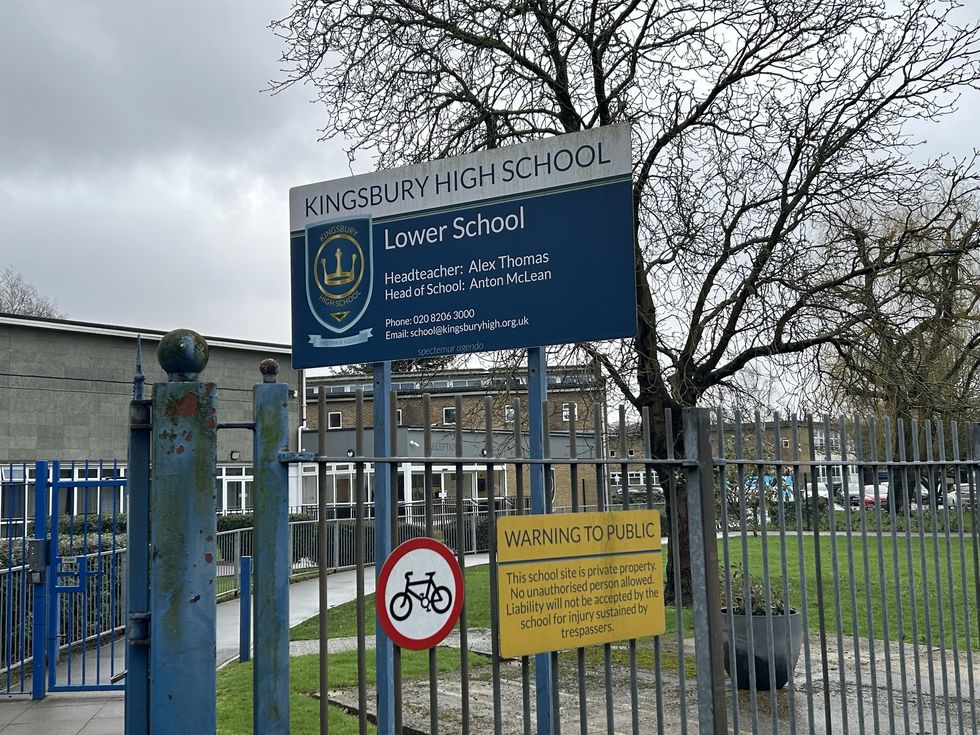
In February, two boys aged 12 and 13 were stabbed in the neck inside Kingsbury High School in northwest London
| PAForeign national offenders continue to place pressure on prisons and the deportation system, with backlogs persisting despite ministerial pledges. Labour entered office two years ago promising to halve knife crime within a decade.
Only months later, brutal public incidents keep occurring, widening the gap between official statistics and the lived reality on Britain’s streets. Perception matters because safety is ultimately judged by how people feel when they step outside their front doors.
The damage extends far beyond individual casualty counts. Parents now hesitate before allowing children independent movement to schools or parks.
Ordinary citizens increasingly find themselves forced to intervene in violent attacks to protect strangers. Confidence in policing and institutions frays when graphic violence repeatedly prompts the same cycle of condemnation and calls for "calm", with little to no shift in change from policymakers.
Previous scandals, including the Henry Nowak tragedy and the grooming gang scandal, revealed institutional reluctance to address uncomfortable patterns of integration failure and cultural incompatibility. That same reluctance risks compounding today’s street-level problems.
Prime Minister Sir Keir Starmer, a human rights lawyer, has not met his most basic obligation: keeping citizens safe. The state's first task is maintaining order, securing borders and enforcing the law so that law-abiding Britons can go about daily life without constant caution.
When other ideological priorities take precedence — whether on migration targets, sentencing reform or policing methods — communities bear the cost. Declining aggregate crime numbers offer little comfort to those confronting the sharp end of random public brutality in 2026.
Britain has successfully driven down street crime before. In previous decades, stronger policing strategies, tougher sentencing and stronger borders delivered measurable improvements in public safety.
Those approaches remain available and have worked elsewhere. Persisting with the current policy mix risks normalising higher levels of casual violence and further fraying social trust at a time when cohesion is already under strain.
As an observer who has long respected Britain’s tradition of ordered liberty and relative safety, these developments are genuinely concerning. The Belfast attack and the pattern of school stabbings are red-alert warnings.
Leadership change is urgent. Britain needs a government that treats public safety and border control as non-negotiable priorities – before more victims fall and the country’s hard-earned reputation for civilised daily life suffers further irreversible damage.
Our Standards: The GB News Editorial Charter