

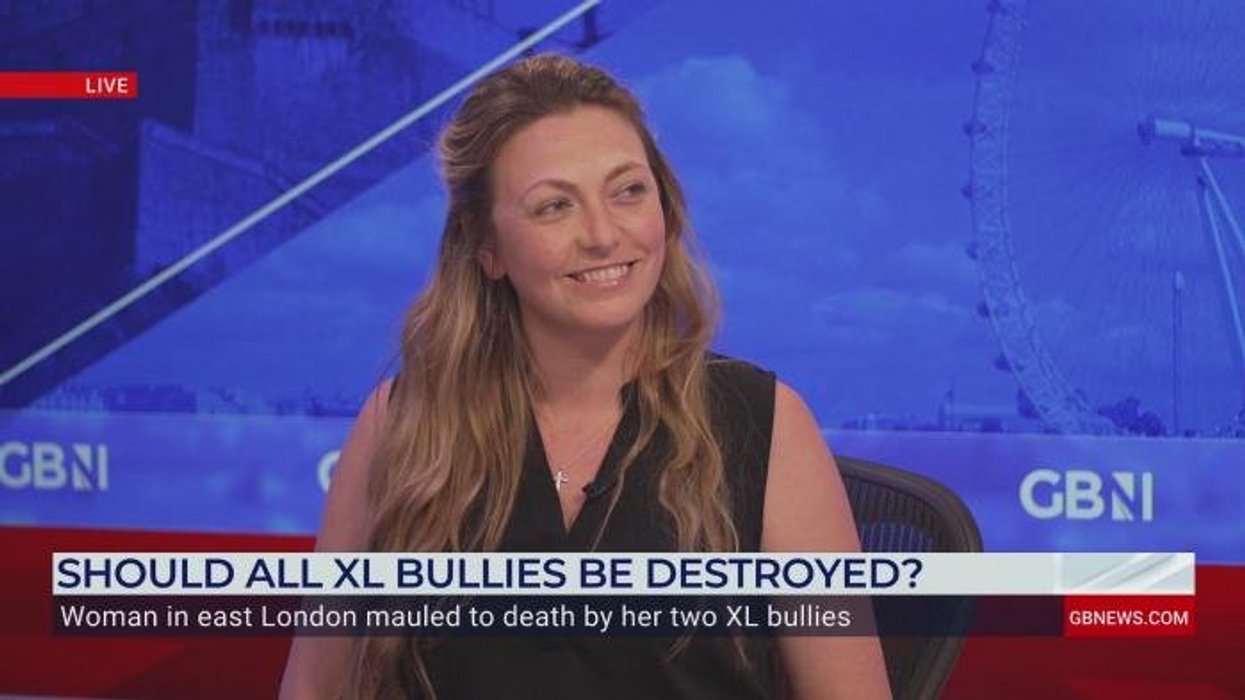








Dog bite deaths have surged more than 200 per cent in a year despite there being an XL Bully ban.
Fatalities resulting from dog attacks in Britain increased by more than 200 per cent within a single year, according to new figures from the Royal Society for the Prevention of Accidents (RoSPA).
The charity's data reveals that 20 people lost their lives to dog bites in 2023, compared with just six the previous year.
Hospital admissions for dog bite injuries also climbed significantly, with 12,423 individuals requiring treatment during the 2023/24 period, Sky News reports.
TRENDING
Stories
Videos
Your Say
Overall, incidents involving dogs rose by 11 per cent between 2022/23 and 2023/24, the RoSPA report found.
XL Bully dogs became illegal to sell, breed, abandon or rehome on December 31, 2023.
It also became illegal to own one without a Certificate of Exemption from February 1, 2024.
The alarming statistics form part of the organisation's broader annual review examining accidental deaths and hospital admissions across the country.

The charity's data reveals that 20 people lost their lives to dog bites in 2023, compared with just six the previous year
|GETTY
The RoSPA report paints a troubling picture of accident-related harm more broadly, with over 23,000 people dying from accidents in 2023.
Nearly 900,000 individuals were admitted to hospital following accidents during the 2023/24 year.
These figures represent an 8 per cent rise in accidental fatalities and a 3 per cent increase in hospital admission rates compared with the previous year.
Falls proved the deadliest category, responsible for almost half of all accidental deaths at 48 per cent.
LATEST DEVELOPMENTS
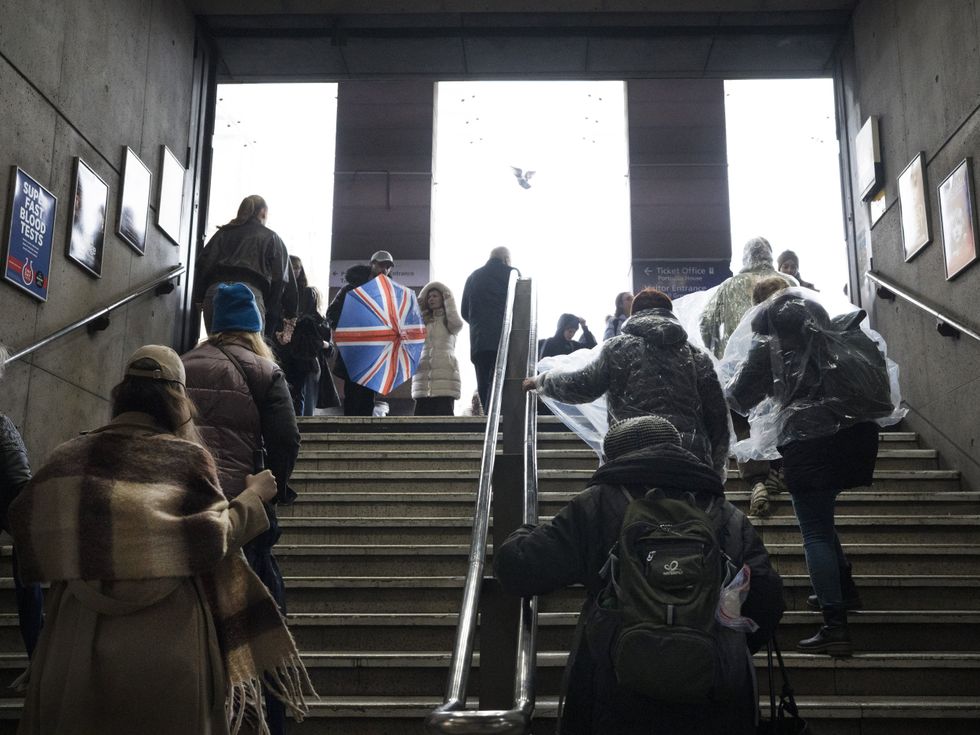
Stairs and steps were identified as the most common location for fatal falls
|GETTY
This represented a 12 per cent increase on the prior year and a 34 per cent jump compared with two years earlier.
Stairs and steps were identified as the most common location for fatal falls.
Poisoning accounted for more than a quarter of deaths at 27 per cent, with drug-related incidents comprising the largest portion of this category.
The report highlighted stark geographical inequalities, with residents of the North East of England, Wales and Scotland facing more than double the risk of dying in an accident compared with those living in London.
Deprivation emerged as a significant factor, with people in poorer areas "consistently" more vulnerable to both hospital admission and death from accidents.
Those in the most deprived 10th of the population were nearly 85 per cent more likely to die accidentally than those in the least deprived 10th.
The disparity was even more pronounced for poisoning deaths, where the most disadvantaged were almost ten times more likely to die than the most affluent.
Contributing factors included substandard housing conditions and elevated workplace risks.
Men experienced higher rates of accidental injury and death than women, whilst elderly people suffered disproportionately, particularly from falls.
RoSPA is urging the government to implement a national accident prevention strategy in response to these findings.
Becky Hickman, the charity's head, said: "Accidents devastate lives in an instant. They are often sudden, violent, and shocking, leaving families and communities to cope with consequences that can last a lifetime.
"What makes this devastation even harder to bear is the knowledge that so many of these incidents are entirely preventable.
"Our Annual Review of Accidents shows we are still not doing enough to reduce avoidable harm, life-changing injuries and personal tragedies."
She warned that vulnerable groups face the greatest danger, including young children, the elderly and those in deprived communities.
The charity believes that analysing injury patterns and acting on evidence could better protect individuals and communities from preventable harm.