










Employees who suffer from a fear of environments where it can be hard to escape can sue their employers if a work from home request is rejected, a landmark tribunal has ruled.
The judgment, handed down by London South Employment Tribunal, establishes that forcing workers with the anxiety condition, technically named agoraphobia, to attend the office can constitute unlawful disability discrimination under UK employment law.
Agoraphobia is characterised by intense fear of situations that are difficult to escape from, leaving many sufferers too anxious to leave their homes.
The ruling follows a successful legal challenge by Marina Dudding, a long-serving council worker who sued Gravesham Borough Council in Kent after her established hybrid working arrangement was revoked when she returned from sick leave.
Ms Dudding, who had worked for the council since September 2000, won two disability discrimination claims, one indirect disability discrimination claim and an unfair dismissal claim.
She is now set for compensation following the judgement.
Her final role at the council was as an allocations officer within its housing options service, where she worked 37 hours a week (full-time).
Following the pandemic in 2021, she had been working two days a week from home, an arrangement that had been in place without issue until it was withdrawn in October 2023.
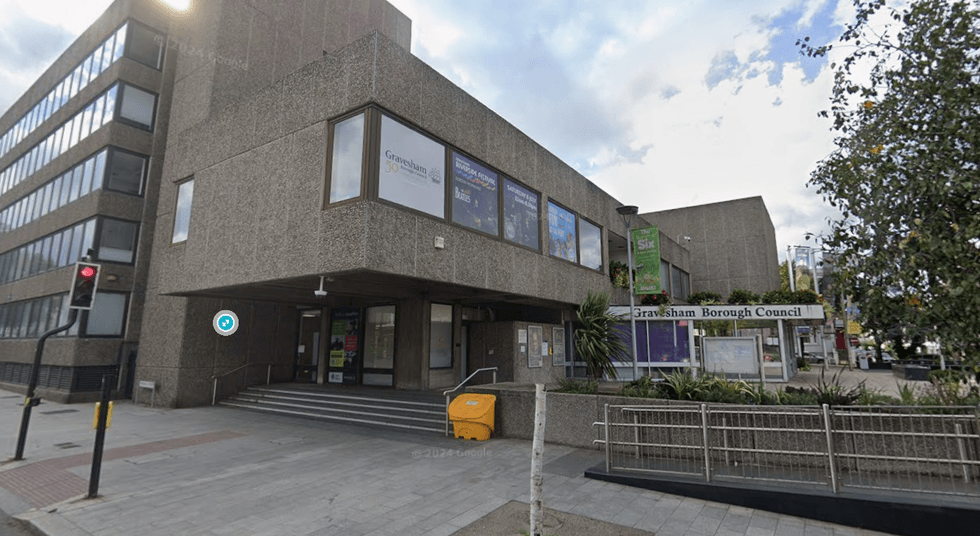
Gravesham Borough Council in Kent
|GOOGLE STREET VIEW
The tribunal heard that Ms Dudding suffers from Generalised Anxiety Disorder, a moderate depressive episode and agoraphobia, all of which made leaving her home extremely difficult.
When required to travel to the office, she experienced palpitations and abdominal pain, with the office environment itself causing the council worker chest pain, rapid heart rate, nausea and hyperventilation.
The noise and interruptions of the office made concentration difficult, with her anxiety sometimes escalating to the point of full panic attacks, forcing her to retreat to the bathroom for up to 15 minutes at a time to try to calm down.
By contrast, working from home allowed her to focus in a quiet environment, manage her stress levels and perform her duties effectively.
LATEST DEVELOPMENTS
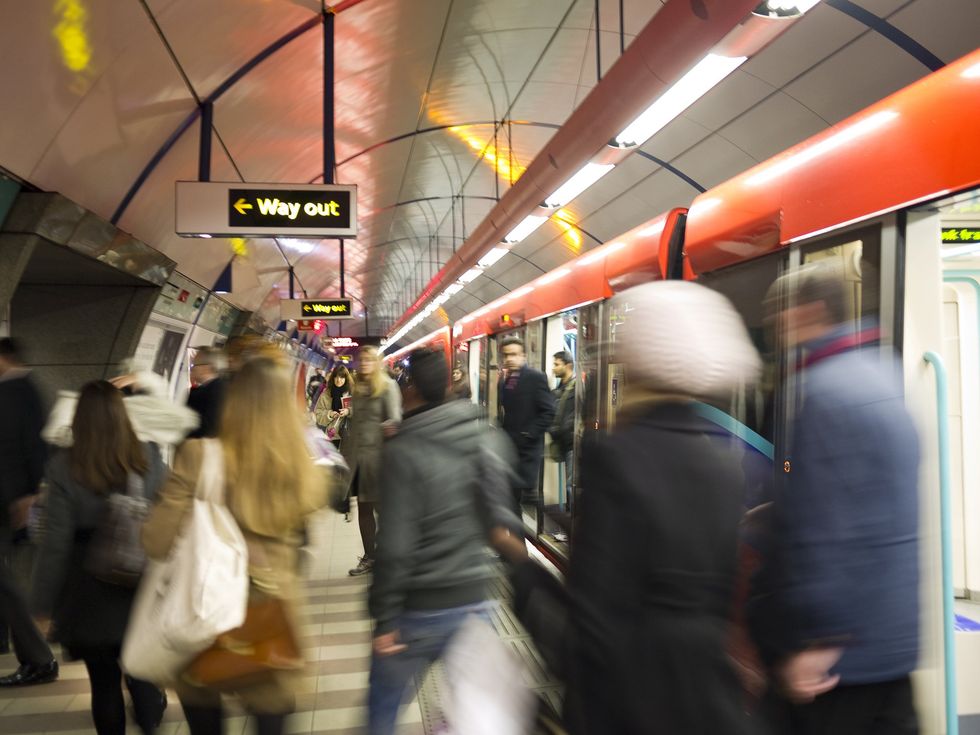
Agoraphobia is characterised by a fear of not being able to escape, such as from crowded spaces or public transport
|GETTY
Between March and July 2023, Ms Dudding was signed off sick as she was unable to leave her home and was not physically capable of attending the office.
She returned on a phased basis but missed an appraisal in October 2023, triggering a disciplinary investigation amid concerns about complaints relating to her conduct on the telephone.
Shortly afterwards, the council revoked her hybrid working arrangement entirely, imposing a requirement for daily office attendance with no review mechanism or time limit in place.
Ms Dudding emailed managers repeatedly to explain the arrangement was having a "severe negative impact" on her health, but her concerns were not acted upon.
She took further sick leave in January 2024 and received a final written warning in March of that year.
When she attempted to return to work in April 2024, she was told her hybrid arrangement would not be reinstated and she was subsequently dismissed.
The council argued that she required in-person oversight and support that could not be provided remotely, but the tribunal rejected that justification.
Employment Judge Caoimhe O'Neill found the council knew or ought reasonably to have known about Ms Dudding's agoraphobia from May 2023 following occupational health advice and her own communications.
The judge said the agoraphobia sufferer had sent "numerous emails to multiple managers" from November 2023 onwards explaining how the changed working pattern was worsening her health.
She provided what was described as "a clear and contemporaneous audit trail of the difficulties she was experiencing”.
The judge also found that the council's insistence on office-only working "had no clear evidential foundation", noting that hybrid working remained available to other members of the same team.
Gravesham Borough Council advanced for requiring daily attendance in general terms, it was found, without any consideration of Ms Dudding's specific circumstances or medical condition.
GB News has approached the Gravesham Borough Council for comment.