







UK net migration has halved after a sharp drop in the number of non-EU citizens arriving in Britain.
The official estimate, released by the Office for National Statistics today, showed the number at 171,000 in the 12 months to December 2025.
The figure is down 48 per cent year-on-year, the ONS said, to the lowest level since early 2021.
Net migration, the difference between the number of people moving long-term to the country and the number of people leaving, has been falling for much of the past three years.
It also revealed that the number of asylum seekers being housed temporarily in UK hotels stood at a new low of 20,885 at the end of March 2026, down 35 per cent year-on-year.
The 171,000 figure comprises of three main figures.
Estimates show 350,000 more people have moved to the UK from non-EU countries than have left it.
However, 136,000 more British citizens left the UK to live abroad than returned home over the specified time period, and 42,000 more EU citizens left the UK than arrived during this same period.
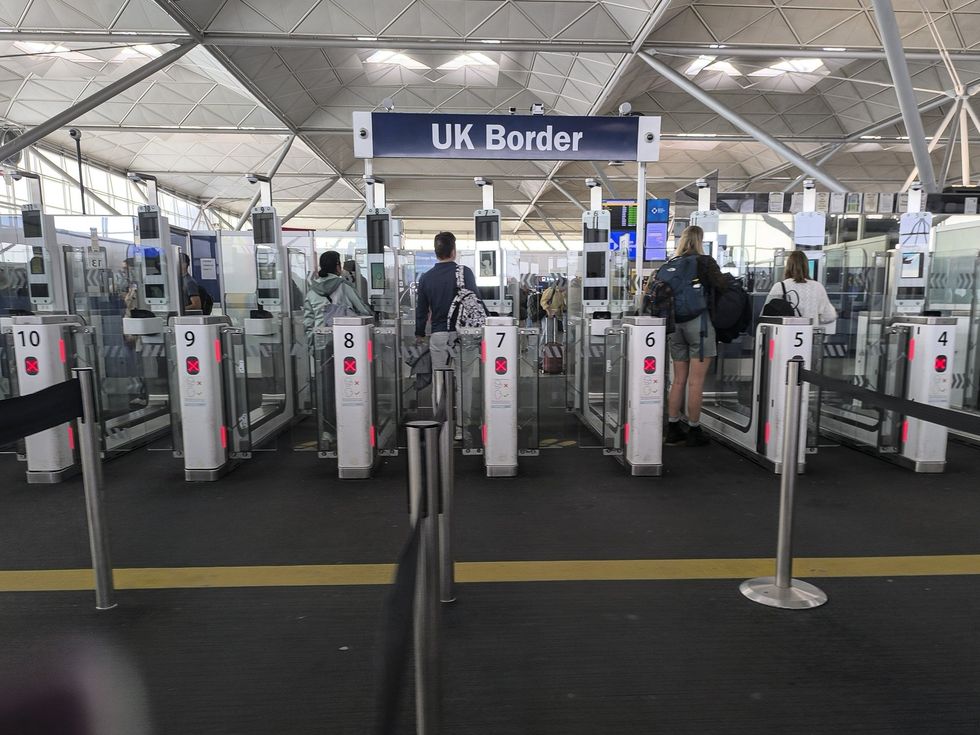
UK net migration has halved after a huge drop in non-EU arrivals
|GETTY
The figures show that the two main trends in the fall in net migration are a steady decline in the number of people from outside the EU coming to the UK to work, study, or join other family members and a rise in the number of people leaving the UK for other countries, primarily non-EU students who have completed their education.
The new ONS estimates is the first time net migration in the year to December 2025 was under 200,000 since the start of the Covid-19 pandemic, when it stood at 132,000 in the 12 months to March 2021.
The total peaked at a record 944,000 in the year to March 2023 but has since dropped sharply, reaching 204,000 in the year to June 2025.
New estimates from the Office for National Statistics (ONS), released today, cover the 12 months to December 2025 and show an even lower figure.
The drop in people coming to study and work is thought to be due to policy changes introduced by the previous Conservative government and continued by Labour.
LATEST DEVELOPMENTS
Home Office data shows visa applications have fallen sharply since these changes began and have continued to drop in 2026
| GETTYThese changes began in January 2024 when most overseas students were no longer able to bring family members to the UK.
From March 2024, care workers could no longer bring family members with them to the country and from April 2024, the salary threshold was increased for people wishing to come to the UK on a skilled worker visa, along with the income threshold for a family visa.
In July 2025, the Labour Government introduced further changes, including ending overseas recruitment for care workers and raising the salary threshold again for skilled worker visas.
Home Office data shows visa applications have fallen sharply since these changes began and have continued to drop in 2026.
More British citizens left the UK to live abroad than returned home over the specified time period
|GETTY
Sir Keir Starmer said his Government is "delivering".
In a post on X, the Prime Minister said: "I promised to restore control to our borders. My government is delivering. I know there’s more to do, we’re introducing a skills-based migration system that rewards contribution and ends our reliance on cheap overseas workers.”
Home Secretary Shabana Mahmood said: "Net migration has fallen by 82 per cent in just three years. We will always welcome those who contribute to this country and wish to build a better life here. But we must restore order and control to our borders.
"As these statistics show, real progress has been made, but there is still work to do. That is why I am introducing a skills-based migration system that rewards contribution and ends Britain’s reliance on cheap overseas workers."
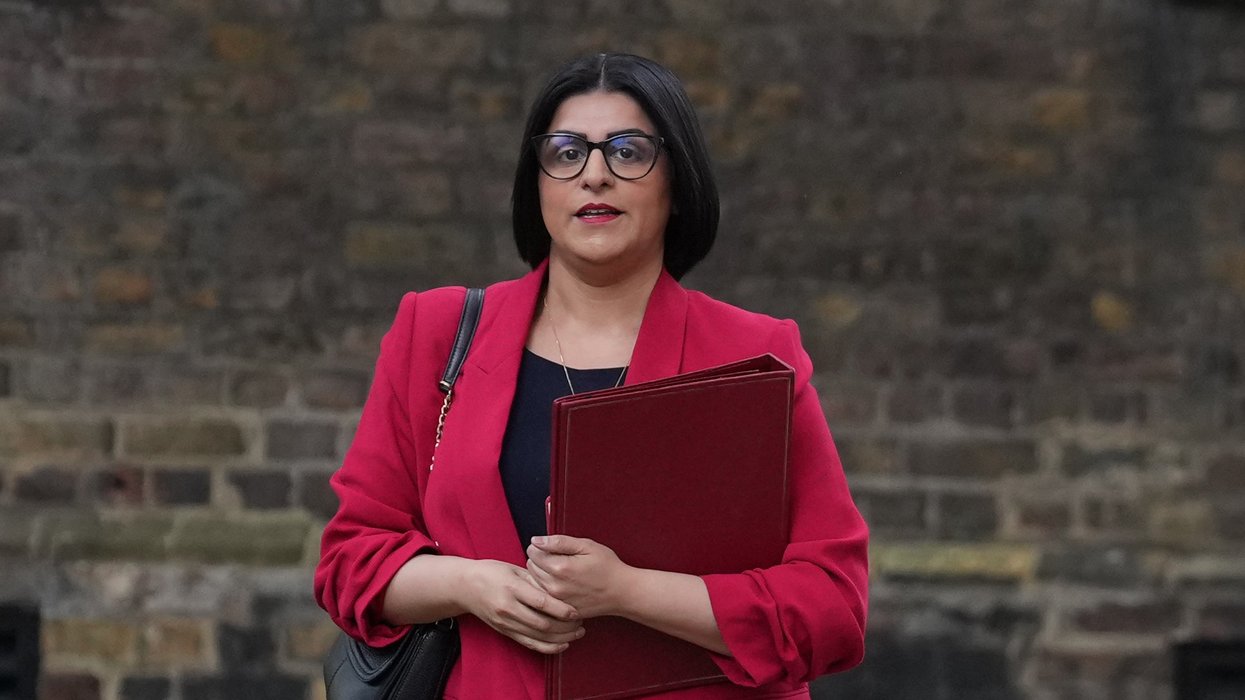
Shabana Mahmood said real progress has been made
|PA
Shadow Home Secretary Chris Philp said: "British citizens are leaving the UK on a massive scale, driven away by Labour’s high taxes. Yet non-EU immigration, mainly from low-income counties, remains far too high.
"Mass low-skill immigration undermines our society and low wage immigration is bad for the economy. British families feel it in lower wages, longer waiting lists for public services and housing shortages.
"Labour must go further and reform indefinite leave to remain before their hard-left flank forces them to abandon it altogether.
"The next Conservative Government will introduce a binding annual immigration cap at a very low level, close the loopholes that let temporary visa holders stay indefinitely and tighten and extend the conditions for ILR.
"We want a small number of highly skilled migrants and no low-skilled migration at all. But sadly, Labour do not have the backbone to do any of it."
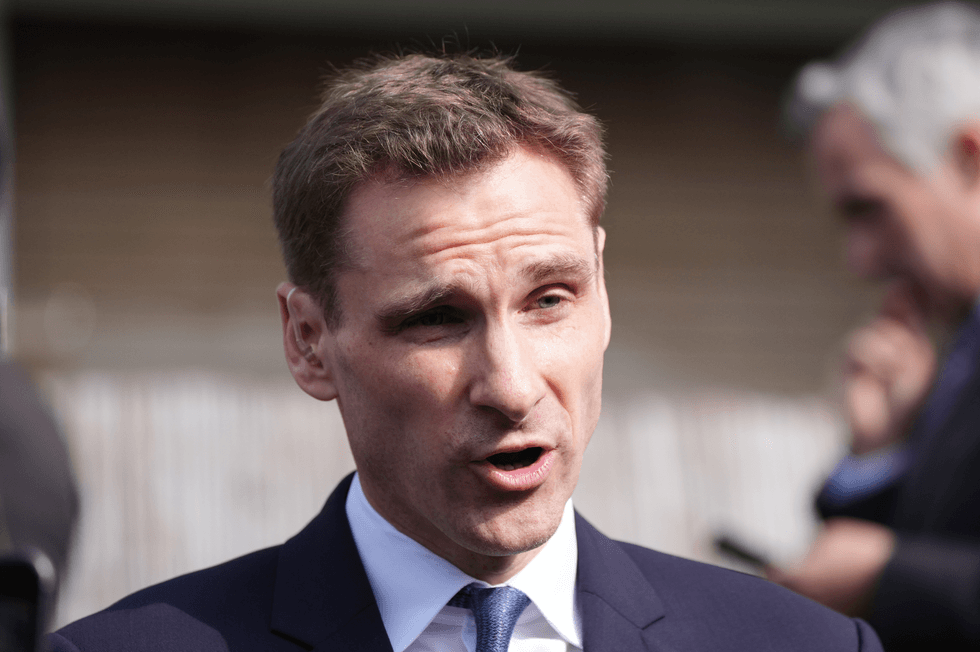
Shadow Home Secretary Chris Philp said British citizens are leaving the UK on a massive scale
|PA
Responding to the statistics, Marley Morris, IPPR associate director for migration, trade and communities, said: "Today’s figures show that migration has fallen sharply, while the asylum system is beginning to function more effectively after a period of strain.
"The government has made notable progress since the start of the year in closing asylum hotels.
"This should prompt a more measured debate. An excessively tough approach now runs the risk of making policy for the pressures of three years ago, rather than the reality of today.
"Public concern about migration has been driven by a sense that the system was not under control. The figures suggest that is changing, but there is still work to do.
"The focus now should be on the parts of the system that still need fixing: tackling small boat crossings, closing remaining asylum hotels, and speeding up appeals.
"The priority should be to build a fair, well-managed immigration system that supports the economy and public services, not a race to push numbers ever lower."
Our Standards: The GB News Editorial Charter