







The National Theatre has adopted dynamic pricing to fund discounted tickets for students, unemployed and union members, a move that will see middle-class families paying substantially more for performances.
The publicly funded institution confirmed it has begun adjusting prices in line with supply and demand to maintain its commitment to keeping a quarter of all seats at £30 or below.
While these cheaper "accessible" tickets can be purchased by anyone, they are restricted to two per customer.
Additionally, "reduced standby" seats priced between £20 and £30 become available exclusively to unemployed people, students and union members one hour before the curtain.
TRENDING
Stories
Videos
Your Say
The pricing disparities have already sparked concern among theatregoers.
One father reported being quoted £440 to take his partner and two children to a Saturday matinee of War Horse in June, while another family received a quote of just £160 for comparable stall seats at a Monday evening showing of the same production.
Questions have also emerged over fluctuating prices for Les Liaisons Dangereuses, the flagship production featuring Lesley Manville and Poldark star Aidan Turner.
One customer initially received a quote of £162 for two tickets, only to find that a subsequent quote for nearly identical seats had jumped to £220, an increase of more than a third.
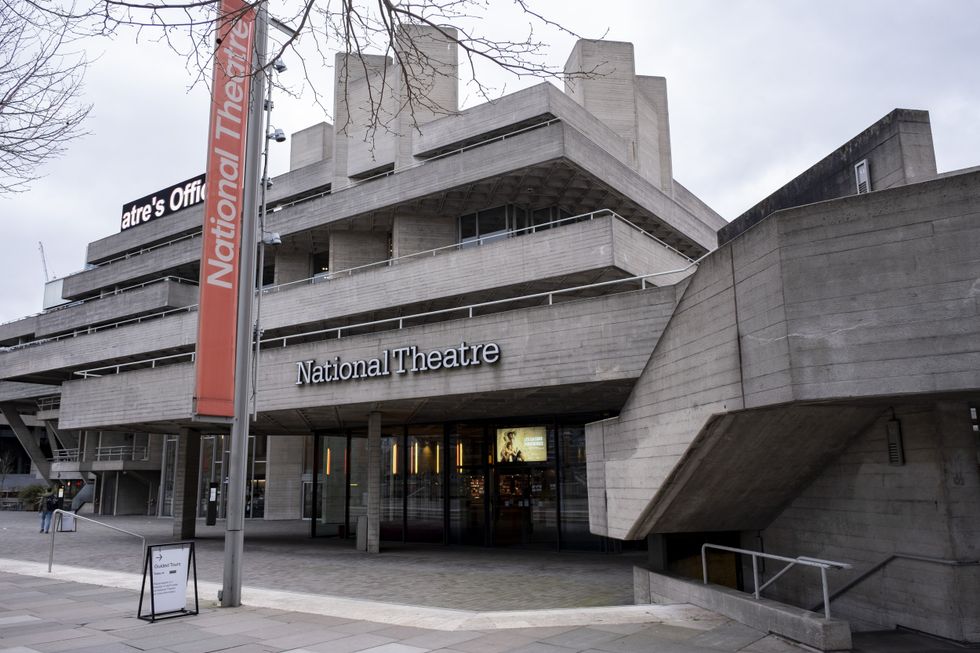
The National Theatre has adopted dynamic pricing to fund discounted tickets for students, the unemployed and union members
|GETTY
Christopher Snowdon of the Institute of Economic Affairs cautioned that ordinary consumers are increasingly bearing the cost of subsidised deals offered to others.
He told the Telegraph: "The UK has a whole web of subsidies and discounts that are not officially part of the welfare state but which nonetheless redirect money from those who do not claim benefits to those who do.
"The UK has a whole web of subsidies and discounts that are not officially part of the welfare state but which nonetheless redirect money from those who do not claim benefits to those who do.
"Normal prices have to rise to allow heavily discounted tickets to be sold to people on Universal Credit, whose numbers are growing by tens of thousands a week."
LATEST DEVELOPMENTS
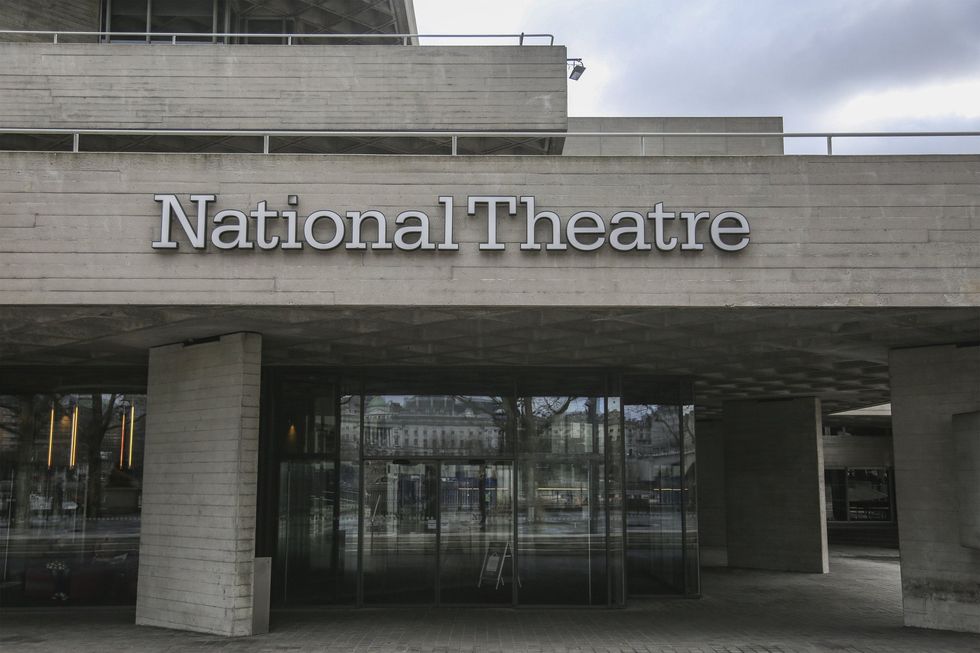
The move will see middle-class families paying substantially more for performances
|GETTY
He described the arrangement as "another pull factor that makes life on benefits more attractive," suggesting the system effectively penalises those in work.
The National Theatre receives £16million annually in public funding and operates as a registered charity rather than a commercial enterprise.
Its registered charity status has raised questions about its adoption of surge pricing tactics.
The institution follows the Royal Ballet and Opera, which introduced similar pricing mechanisms last year.
The publicly funded institution confirmed it has begun adjusting prices in line with supply and demand
|GETTY
Dynamic pricing has become increasingly prevalent across the arts sector.
The theatre has also implemented a £4 online booking fee to address rising costs.
One cost includes a significant refurbishment of its South Bank premises.
The Bank of England warned this month that dynamic pricing would likely extend to supermarket shopping, following controversy over the Oasis reunion concert ticket sales when fans paid hundreds of pounds above advertised prices.
Our Standards: The GB News Editorial Charter