








Mobile phone signal access could be rationed and charges raised at peak times because of soaring energy costs, networks have warned.
The networks are highly energy-intensive, but the telecoms sector was left out of a recent expansion of a Government support scheme for power-hungry businesses.
Now, some are believed to be drawing up contingency plans to deal with spiralling prices.
Measures said to be under consideration include restricting access to their networks in periods of high demand or price surging, charging more at peak times.
TRENDING
Stories
Videos
Your Say
The measures, being modelled behind closed doors, are expected to effect mainly voice calls and mobile data, reports trade publication Business Matters.
They represent a “worst case scenario”, it is understood. Firms have warned help is needed for the networks, which are “critical national infrastructure” used by most of the population.
Virgin Media O2 said that the networks couldn’t be overlooked “if the Government wants growth, productivity and resilience”.
Vodafone Three urged the Government “to consider the impact of rising energy prices on the vital telecoms sector that unlocks growth in all parts of the economy”.

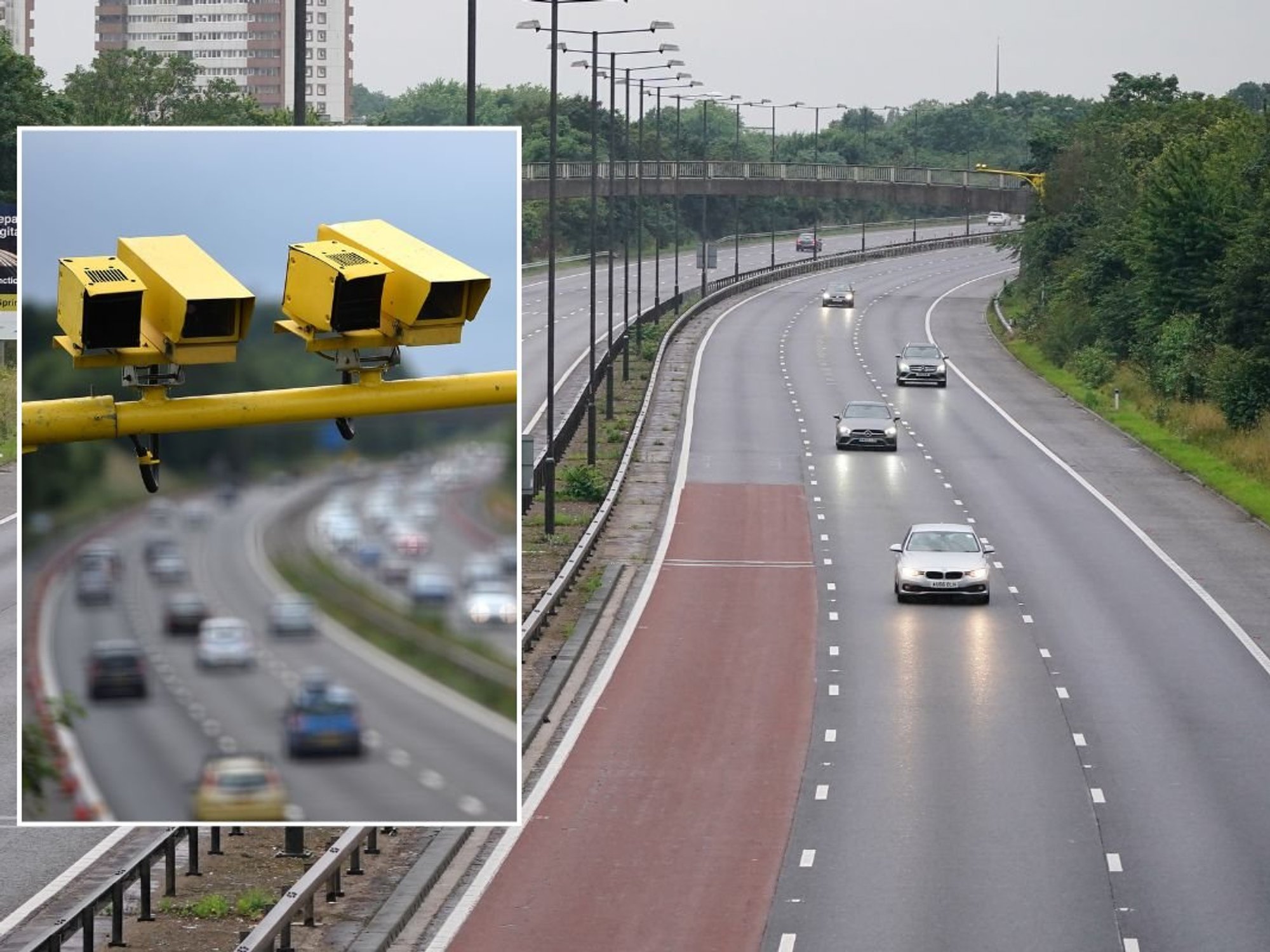
Some networks are believed to be drawing up contingency plans to deal with spiralling prices
|GETTY
As well as rationing, options including slowing speeds to lower energy usage and bosses have also said they may need to re-examine plans to expand their 5G networks because of the rising costs.
The Government says the networks are legally obliged to “maintain network coverage”.
It announced last week it was expanding companies eligible for the British Industrial Competitiveness Scheme (BICS) from 7,000 to 10,000.
These companies will be exempt from three green levies on their electricity bills, cutting costs by up to 25 per cent.
LATEST DEVELOPMENTS

Vodafone Three urged the Government 'to consider the impact of rising energy prices on the vital telecoms sector'
| VODAFONE PRESS OFFICEChancellor Rachel Reeves said the move would help businesses “to compete, win and create good jobs across the country”.
Business Secretary Peter Kyle said the expansion demonstrated that the Government was “acting decisively to tackle the number one issue that businesses face head-on”.
However, some sectors were left out of the scheme: the ceramics industry, which depends largely on gas to operate, says it was excluded, and MPs have told Parliament that factories will close as a result.
Agriculture was also excluded, with National Farmers Union President Tom Bradshaw saying: “It is deeply frustrating that food has been forgotten again by the government despite acknowledging the crippling impact of high energy costs on other industries.”
Now the mobile industry has warned it must not be “overlooked” for support measures.
Networks can consume enough energy in a year to power 370,000 homes.
“It’s a serious oversight,” one industry source said. “It raises real questions about which parts of the economy this Government actually considers strategically important.”
Energy prices have soared in recent years, primarily due to the invasion of Ukraine and, more recently, the war in Iran.
The closure of the Strait of Hormuz has played havoc with the oil and gas markets. The price of electricity is linked to the price of gas, and has risen by up to a third since the conflict started.
A Virgin Media O2 spokesman said: “Mobile and broadband networks are critical national infrastructure that almost every consumer and business relies on, yet despite their importance, telecoms companies have been excluded from support offered to other energy-intensive sectors. If the Government wants growth, productivity and resilience, it cannot overlook the digital networks the country depends on.”
VodafoneThree said in a statement: “We are disappointed that the Government has chosen not to include the telecoms sector in the British Industrial Competitiveness Scheme. “We urge the Government to consider the impact of rising energy prices on the vital telecoms sector that unlocks growth in all parts of the economy.”
BT said rising energy prices could hinder long-term investment in the UK. Nevertheless, it said it had no plans to ration access. It also said it is not considering surge pricing or reducing speeds. The Government commented: “UK communications providers must legally maintain network availability. “Our clean power mission will get us off the rollercoaster of fossil fuel prices, to cut bills for businesses and households for good.”
Our Standards: The GB News Editorial Charter