

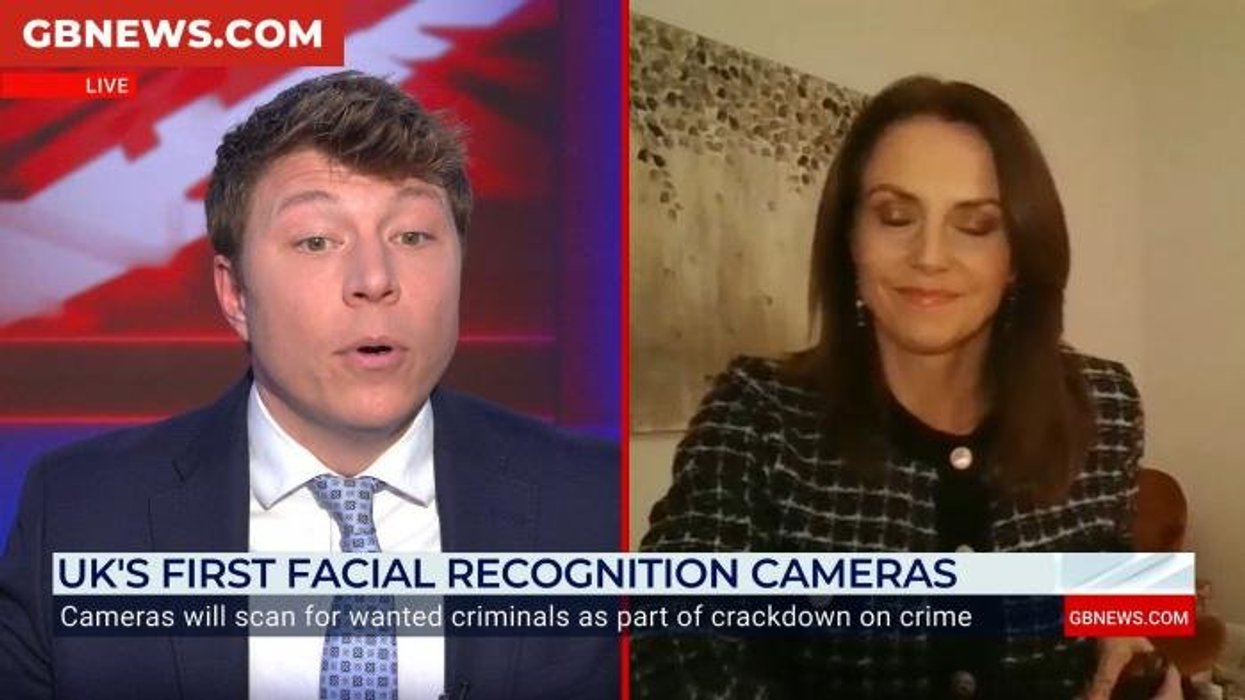




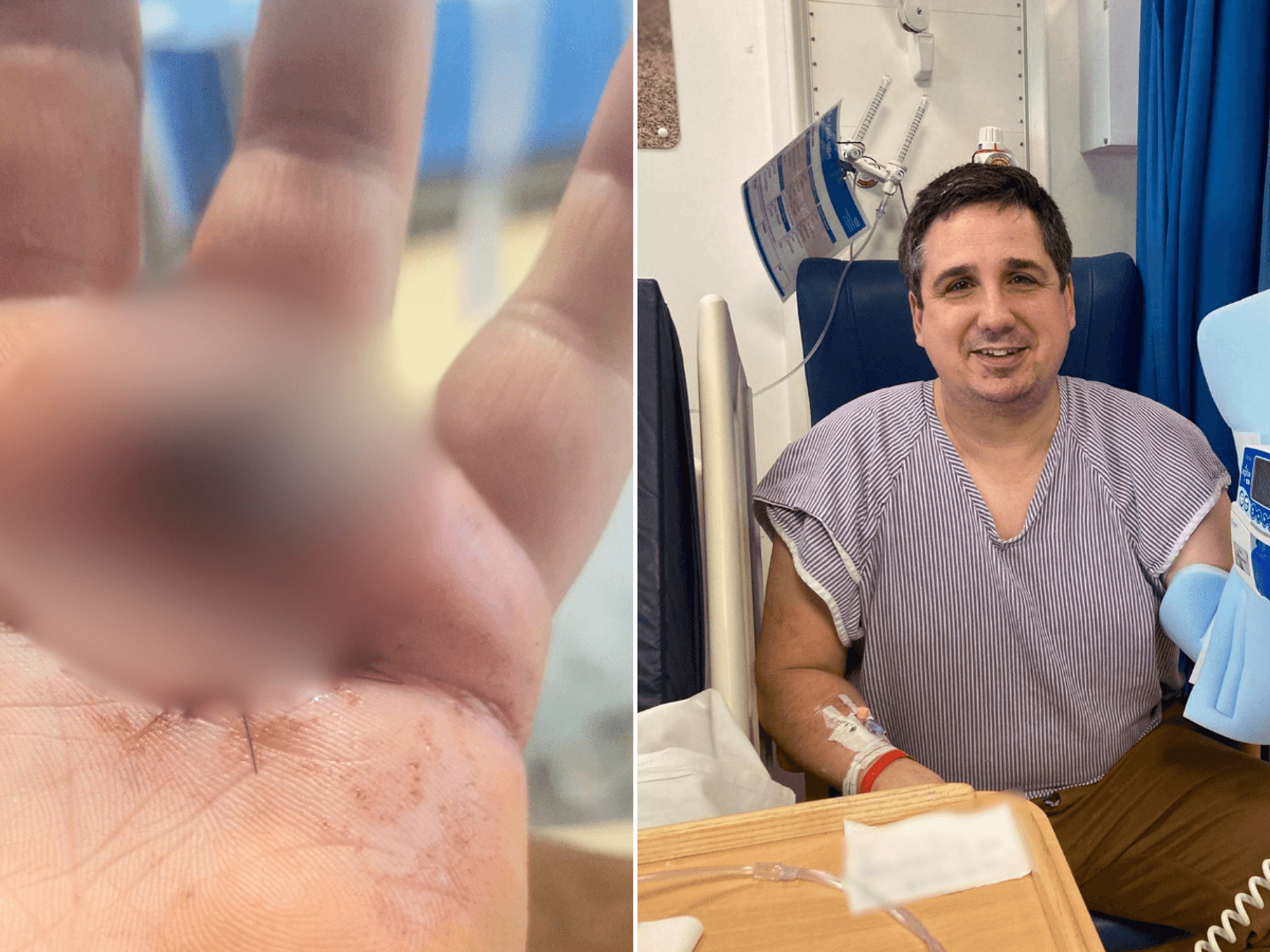




The police have been called upon to reveal how facial recognition cameras are being used after a 59-year-old was wrongfully arrested because of the technology.
Colin McMahon was accused of stealing £300 worth of furniture from Ikea after he was flagged by the scanner in public last year.
He was handcuffed on Harlesden High Street by the Metropolitan Police following cameras linking him with an offence that took place in February 2025.
Mr McMahon was eventually acquitted by magistrates earlier this year after it was revealed he had actually been running an Alcoholics Anonymous meeting 10 miles away at the time of the theft.
TRENDING
Stories
Videos
Your Say
Following the revelations, Big Brother Watch has urged police to be transparent about the use of facial recognition software.
Jack Coulson told GB News: “It used to be 'computer says no', now it's 'computer says arrest'.
“The police are making up their own rules and experimenting on the public.
“This is not about keeping the public safe from the most dangerous criminals.
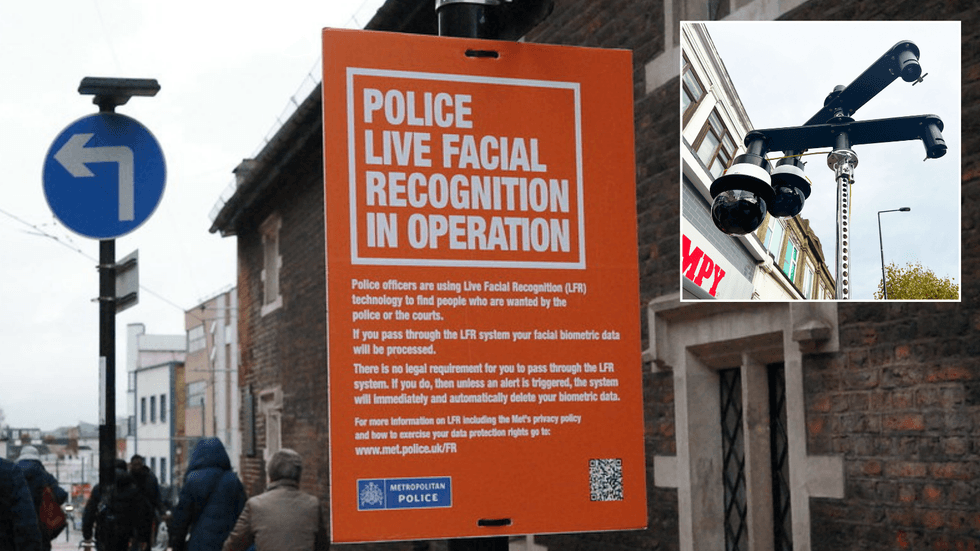
A man spent being accused of a crime he did not commit due to being wrongfully identified by a facial recognition camera
|GETTY
“An innocent man has been dragged to the dock for decor.
“We are calling on the police to come clean about how many innocent people they have put onto watchlists and how many they have incorrectly arrested.
“A moratorium is needed until the government steps-in with legislation to protect the British public from this Orwellian overreach.”
Mr McMahon had been in a meeting regarding a homeless charity project last October when he was arrested moments after leaving.
LATEST DEVELOPMENTS
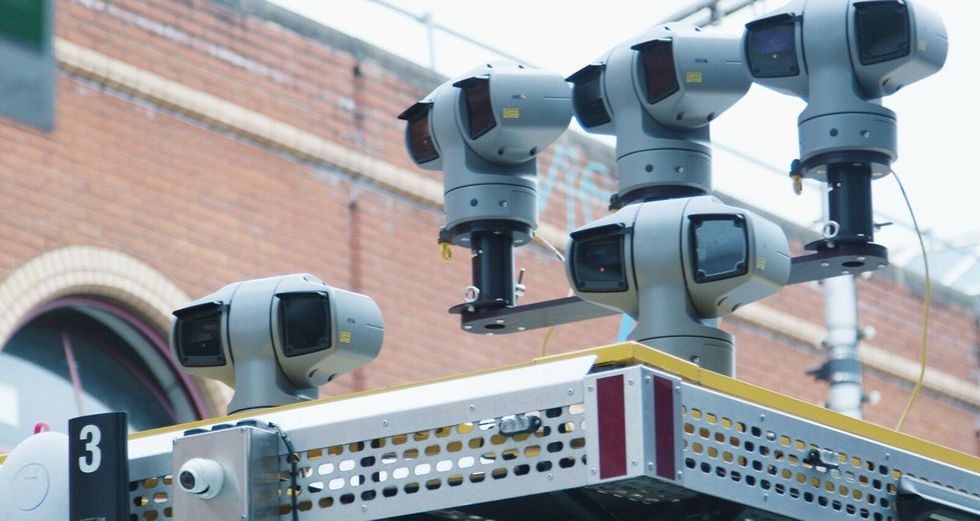
The camera have been rolled out widely around London
|BIG BROTHER WATCH
He told The Sun: “I walked down the street with a friend of mine and saw a big facial recognition van and loads of police.
“The next minute, three policemen surrounded me, accusing me of a theft back in February on the other side of London.
“It’s not on, pulling people off the street by similarities with a stupid machine.
“This could tip somebody over the edge with mental health problems. It’s thrown me off mentally and left me with my head all over the shop.
“I’m in therapy once a week, I don’t really want to go out.
“I try to help people in the area – I’m sober, clean and on the other side of the fence.
“I don’t want any more hands on my shoulder from the police, and I don’t think I’ve had any closure six or seven months on now.”
Court documents show police noted the roofer had “the same glasses, similar facial features, a skinny body structure and similar white shoes" as the suspect from the robbery. Mr McMahon argued the suspect was “skinnier” and “walked in a different way".
The revelation comes just a day after a High Court appeal against the use of facial recognition cameras was thrown out.
Shaun Thompson and Silkie Carlo brought the legal action against Scotland Yard's facial recognition policy, arguing the surveillance system could be deployed arbitrarily and in a discriminatory manner.
In their ruling, Lord Justice Holgate and Ms Justice Farbey determined that the Met's approach was lawful and neither the claimants' human rights had been violated.
Both Mr Thompson and Ms Carlo have indicated they intend to pursue an appeal against the judgement.
A Scotland Yard spokesman said in response to Mr McMahon's arrest: “We recognise that being the subject of a police investigation can be difficult and do not underestimate the impact that an experience like this may have on individuals.
“Retrospective Facial Recognition (RFR) is a tool used to generate intelligence leads only.
“Any potential match is subject to human review and requires further investigation before any conclusions are reached.
“RFR continues to support officers in identifying potential suspects and keeping Londoners safe.
“Following a planned review, updates were made to the Met’s RFR policy framework in March 2026 to ensure the technology is used effectively while protecting people’s rights and freedoms.”
Our Standards: The GB News Editorial Charter