




Elon Musk has been unsuccessful in his lawsuit against OpenAI, a US jury ruled today.
The court found the artificial intelligence company not liable to the world's richest person for having allegedly strayed from its original mission to benefit humanity.
The trial began on April 28, with the verdict following 11 days of testimony – where Mr Musk's and OpenAI CEO Sam Altman's credibility came under repeated attack.
The case has widely been seen as a critical moment for the future of the artificial intelligence software and the landscape generally, both in how it should be used and who should benefit from it.
A California jury reached a unanimous verdict, throwing the case out as Mr Musk had filed his lawsuit after a statute of limitations to bring such claims had expired.
The tech billionaire had accused Mr Altman of breaching a non-profit contract by shifting the company to a for-profit company after Musk donated $38million (£28.5million).
Mr Musk claimed he had been deceived and that the company's reversal on its original non-profit mission to develop AI technology for the benefit of humanity was farcical.
After three weeks of viewing internal correspondence and hearing testimony, the jury arrived at a verdict after deliberating for roughly two hours.
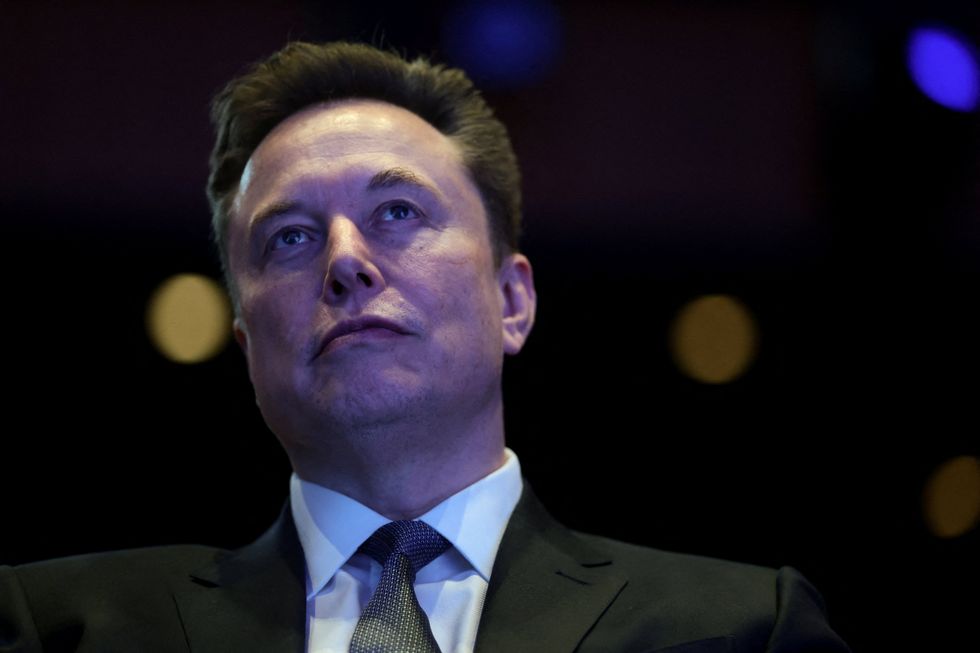
Elon Musk claimed he had been deceived by the ChatGPT creator OpenAI
| REUTERSWitnesses giving testimony included Satya Nadella, the chief executive of Microsoft – another tech company which Mr Musk had accused of aiding in the scheme.
His claims against Microsoft were dismissed as a matter of law, given the jury's findings on the two claims against OpenAI.
"It's actually very simple," he said at the opening of the trial. "It's not OK to steal a charity – if it's okay to loot a charity, the entire foundation of charitable giving will be destroyed."
Despite this, Mr Altman told the jury during his own testimony that Mr Musk not only backed the idea of OpenAI becoming a for-profit business, but he also wanted control of it for the long-run.
LATEST DEVELOPMENTS
The pair started OpenAI in 2015, but Mr Musk left in 2018 after his co-founders denied him control, with Mr Altman claiming Mr Musk was always aware of plans to create a for-profit entity.
Standing outside the court, Sam Singer, a spokesman for OpenAI, called the verdict a "tremendous victory".
"This was nothing but an effort by Mr Musk to slow down a competitor," he said, adding that it was a victory "for the justice system as well".
Following the verdict, Mr Musk's lawyer said he reserved the right to appeal; however, US District Judge, Yvonne Gonzalez Rogers, said: "There's a substantial amount of evidence to support the jury's finding, which is why I was prepared to dismiss on the spot."
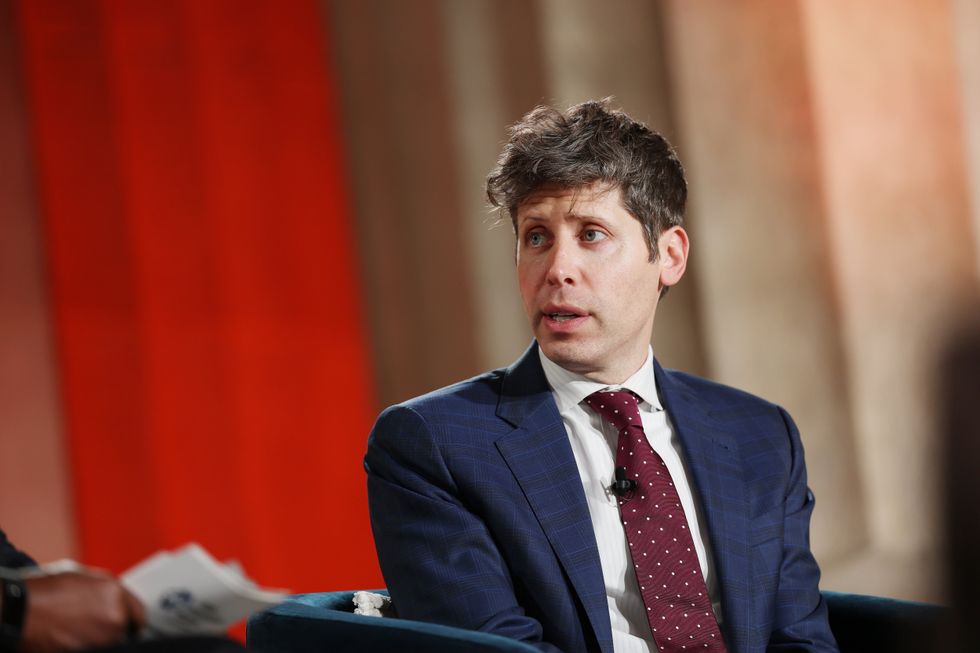
OpenAI's CEO and co-founder Sam Altman claimed Elon Musk wanted control of the company
| GETTYThe trial brought in many current and former OpenAI executives to testify on the history of the company, as well as academic experts on nonprofit law and corporate governance.
Lawyers for both sides presented stacks of private texts, emails and other internal documents to build a narrative of the firm’s founding, specifically when litigants became aware of OpenAI’s for-profit plans.
Our Standards: The GB News Editorial Charter