







A London museum has willingly given up its exhibits believed to have been saved by being brought to Britain.
The Wellcome Collection has agreed to relinquish 2,000 documents of spiritual significance to Jainism, a religion with strict adherence to non-violence, known as ahimsa.
The majority of the manuscripts were legally purchased from a Jain temple in the Punjab in 1919.
Curators of the collection have determined the purchase by Sir Henry Wellcome was "unethical" because it was detrimental to the Jain sellers.
Ownership of the manuscripts will be now be transferred to the Institute of Jainology, a UK-based charity which represents the faith.
They will then be held at a specialist library at the University of Birmingham.
Mehool Sanghrajka, managing trustee for the Institute of Jainology, admitted the manuscripts may have benefitted by being brought to Britain.
He told The Telegraph: "It's a very Jain way of looking at this, but there are two sides to this.
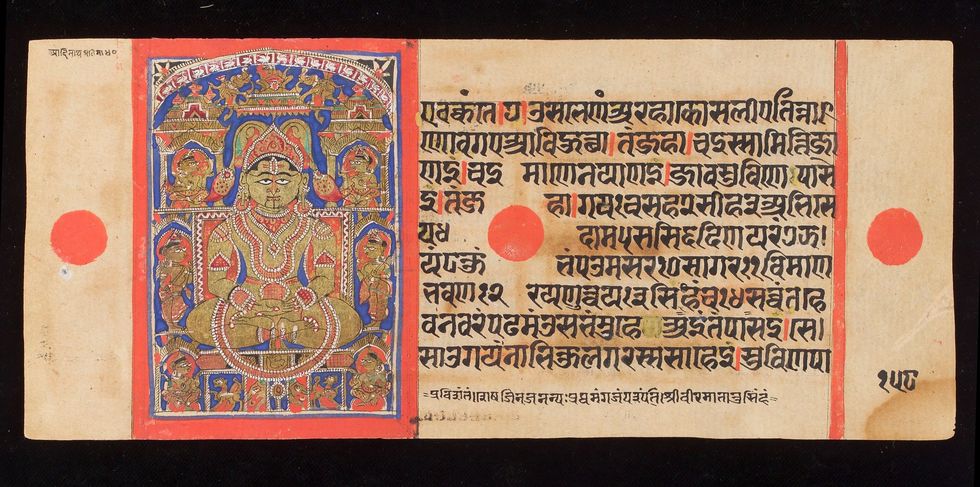
Jainism Manuscript purchased by Sir Henry Wellcome
|WELLCOME COLLECTION
"On the one hand, there is the ethical question of the acquisition, and the manuscript being bought for far under the market price and so on.
"But on the other hand, they were taken from a place that suffered greatly during partition, so it's quite possible that they were saved by being brought to Britain."
During the Indian partition in 1947, many Jain temples were destroyed or abandoned, with the religious community displaced from the Punjab.
Dr Adrian Plau. a researcher for the Wellcome Collection, said 1,200 of the 2000 manuscripts were bought from a single temple by an agent of Sir Henry, who was a keen collector of artefacts and texts.
MUSEUM MADNESS - READ MORE:
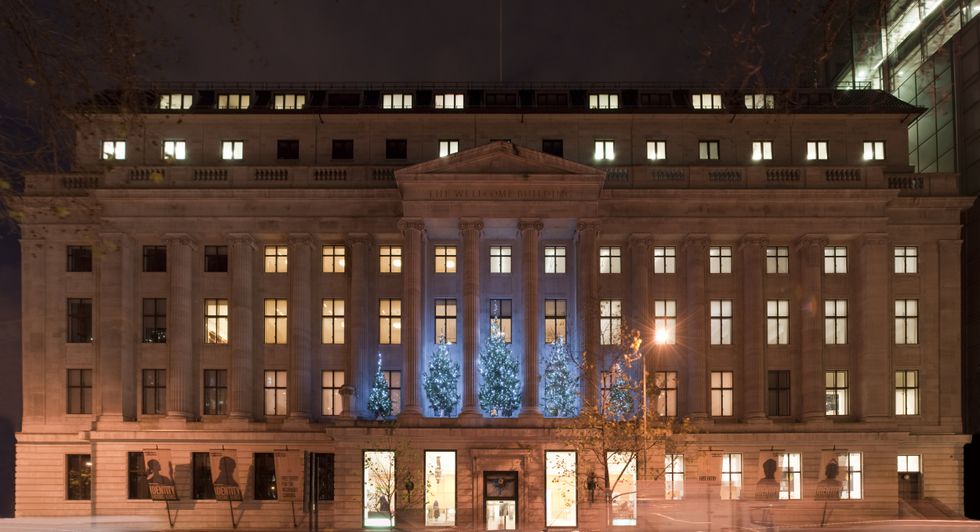
The Wellcome Collection has given the manuscripts to the Institute of Jainology
|WIKIMEDIA/DAVID SAMUEL
He added the purchasing agent believed they had secured a good deal as the temple customs were unaware of the value of the collection.
But now the Wellcome Collection has said this was unacceptable and in breach of its commitment to "inclusive, collaborative and ethical management of its collections".
The collection has faced criticism for its choices before - in 2022, it closed its "Medicine Man" exhibition which it said was "racist, sexist and ableist".
Announcing the closure on social media, the Wellcome Collection said it was asking itself "What's the point of museums?", adding the exhibition had "exoticised, marginalised and exploited" minority groups such as black people, disabled people, and indigenous people.
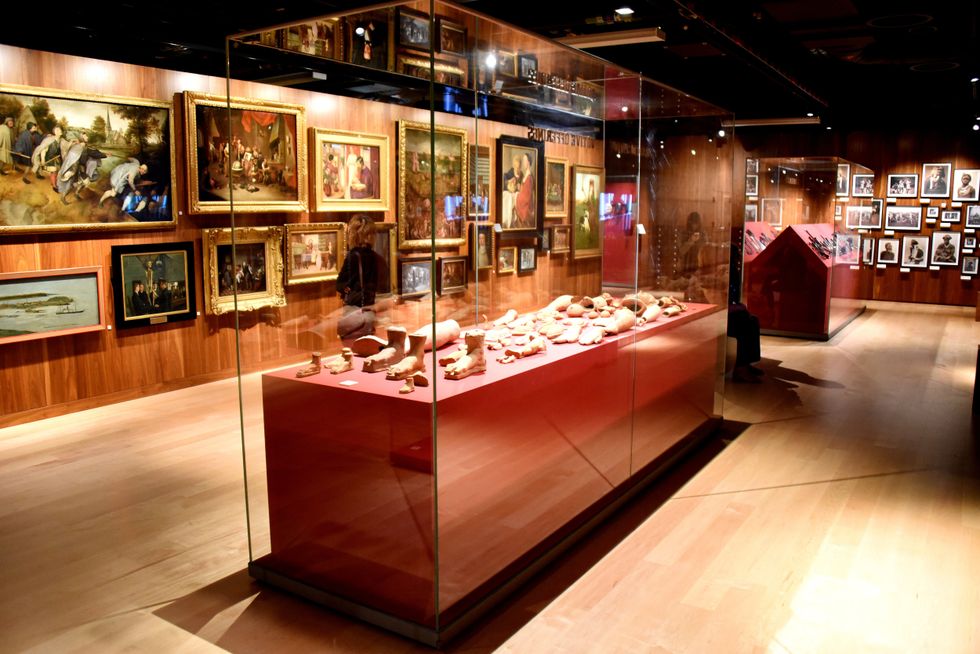
The Medicine Man exhibit in 2016, which was closed in 2022 after the Wellcome Collection said it was 'racist, sexist and ableist'
|WIKIMEDIA
The decision to return the artefacts follows a similar move from Brighton and Hove Museums, which will return legally purchased jewellery and accessories to Botswana to "give them meaning".
The Institute of Jainology made no challenge for ownership of the manuscripts, but the deal was signed off during a meeting of the All-Party Parliament Group on Jainism in Westminster.
Mr Sanghrajka said the intention was not to right past wrongs, but ensure that all Jains could access the historic artefacts, adding he hoped the handover could be a "model for others to follow".
He added: "At the end of the day, I don't want to handle a 15th century manuscript: it would fall apart. It is best that they are cared for by specialists. What this was all about was access, and hopefully the community can benefit."