





Half of British young people would categorically refuse to fight for their country, a new poll has found.
When asked about their willingness to take up arms for the UK, 50 per cent of respondents aged 16 to 29 said they would not do so "under any circumstances".
The poll from the John Smith Centre at Glasgow University, which surveyed 2,000 young Britons, found only 38 per cent would consider military service in certain situations, with the remainder uncertain.
Within the data, a significant generational gap on matters of national identity and patriotism appeared to emerge, with Gen Z appearing far less inclined to show traditional expressions of loyalty towards Britain than previous generations.
TRENDING
Stories
Videos
Your Say
Eddie Barnes, director of the John Smith Centre, attributed this reluctance to serve to a sense of abandonment.
He said: "The idea that the next generation will have it better than previous ones has been a founding belief for decades.
"Today's poll shows that the majority of this generation of young people no longer believe it to be true - and it reveals their loss of belief is collapsing at speed.
"Locked out of the housing market, pinned down by low wages, loaded by student debt, and increasingly worried about the rise in AI, young people today feel a growing sense of unfairness about the world around them."
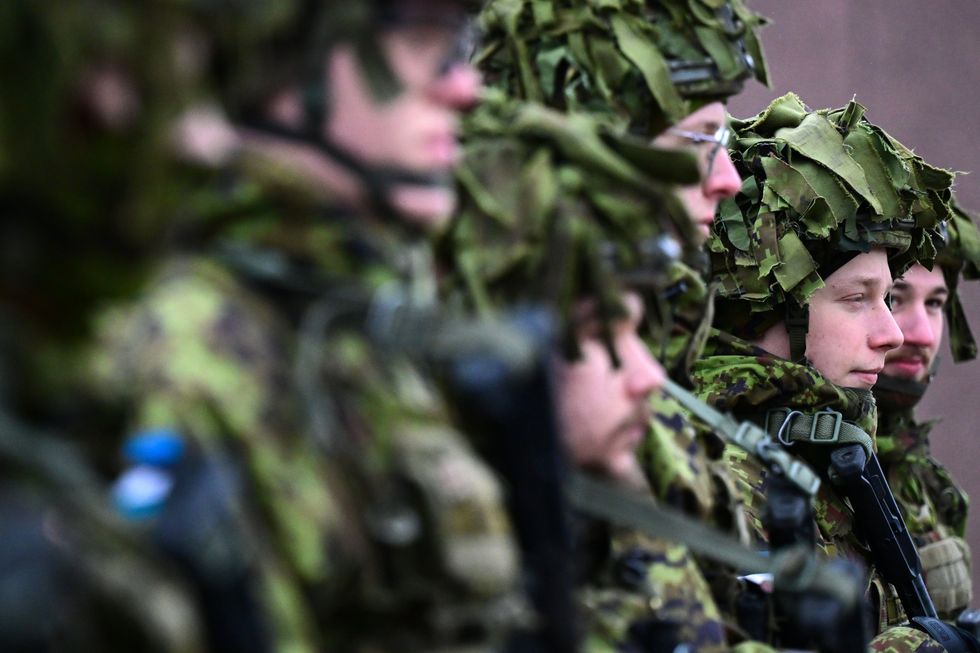 British Army recruits are dwindling | PA
He summarised the sentiment bluntly: "Or as many young people might put it: why fight for a country that isn't fighting for you?"
Despite the survey's findings, some still have faith in Gen Z - that they would in fact answer a call to arms if the situation were to arise.
Mark Francois, Shadow Armed Forces Minister, told GB News: "I have seen polling like this before. However, I still believe that if our country were truly attacked, our young would take up arms to defend it.
"Remember the Oxford Union Debate of 1933, at the height of inter-war pacifism, where the students famously voted, more than two to one that ‘This House would, under no circumstances, fight for King and Country.’
LATEST DEVELOPMENTS:
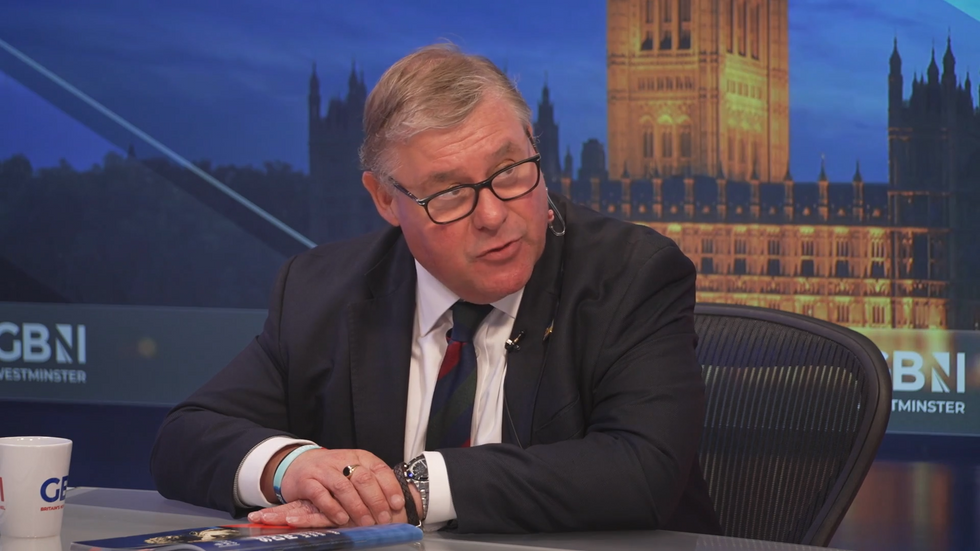
Mark Francois, Shadow Armed Forces Minister, believes young people would still step up
| GB NEWS"However, we know that many of those same students then volunteered to fight in WWII, to resist Adolf Hitler and all he stood for.
"So, as someone who served in the Cold War Territorial Army whilst in his twenties, I still have faith in the young of today."
The survey uncovered a stark collapse in young people's confidence about their economic futures, with just 36 per cent now anticipating enjoying better lives than their parents - a figure that has plummeted from 63 per cent only twelve months ago.
This dramatic halving of optimism reflects a generation increasingly pessimistic about their prospects in modern Britain.
One 22-year-old male respondent captured the prevailing mood: "A growing sentiment among me and peers is why should we even try to uphold a social contract that will never work for us in the future? We will never be able to own homes, or even retire at this rate."
The research further revealed deep disillusionment with the political establishment, with merely a quarter of those surveyed believing the system treats them fairly.
Financial anxieties, concerns about job security, and unstable housing topped the list of worries among respondents.
A 29-year-old woman expressed anxieties and said: "I'm terrified for the future of not being able to buy a house, not being able to have a family."
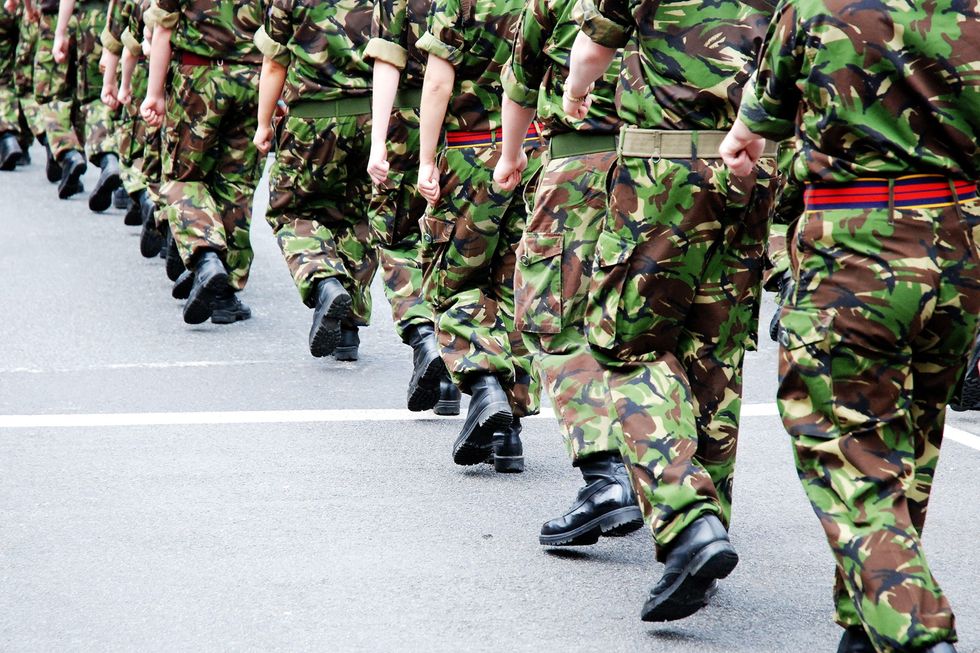 There is significant hesitance about joining a global conflict among Gen Z | GETTY
When asked what would improve their wellbeing, young people prioritised higher wages, accessible housing, and greater career prospects.
Notably, 55 per cent identified artificial intelligence's impact on employment as a major threat.
The poll revealed widespread concern about the state of British democracy, with 56 per cent agreeing that it is "in trouble", and just 13 per cent disagreeing.
A similar proportion (53 per cent) felt UK politics had become excessively divisive.
When asked to identify a political leader who best embodies British values, 45 per cent could not name anyone currently in office.