








Sky-high industrial energy costs have wiped £30billion from UK GDP, analysts say.
Energy bills for British businesses are the highest in Europe, resulting in power-hungry industries struggling to keep pace with international peers, researchers from EY say.
This has meant these sectors have shrunk as the wider economy grew, with an estimated cost to GDP of £30billion since 2019.
EY’s UK Economic Outlook report for May finds that in 2019, industrial energy prices were “broadly comparable” to those on the continent.
But they have shot up to the highest, meaning output from the UK’s energy-intensive industries has fallen by eight per cent since 2019, compared to economy-wide growth of six per cent.
“If the energy-intensive sector had instead simply kept pace with the wider economy, then GDP would have been £30billion higher in 2025,” the report finds.
The key reason for British industries facing some of the highest costs in Europe was “long-term decisions” about our energy mix, meaning gas typically sets the price of wholesale electricity.
The Government is working on plans to decouple wholesale electricity costs from gas prices. But renewable levies, which go towards our transition to green power, present a second hurdle, EY analysts say.
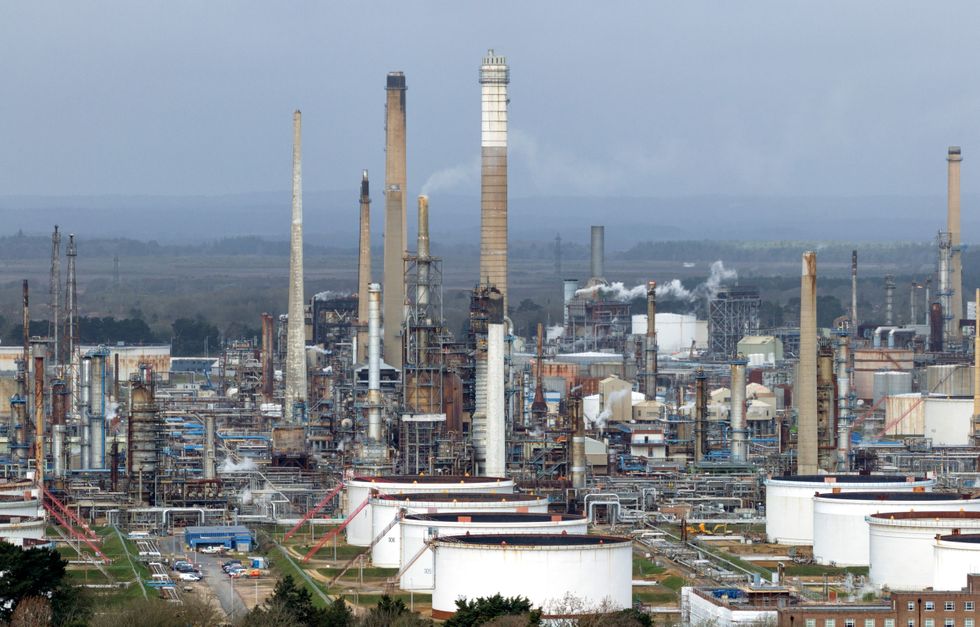
Output from the UK’s energy-intensive industries has fallen by eight per cent since 2019
|GETTY
The report finds: “In addition to high wholesale costs, the average bill includes a growing set of policy costs to support new renewables, new nuclear, and capacity to meet peak demand, as well as the cost of an expanding power grid.”
Government relief plans for business include the British Industrial Competitiveness Scheme (BICS). Recently expanded to 10,000 companies, it sees them exempted from green charges, cutting electricity bills by up to 25 per cent.
Anna Anthony, EY UK & Ireland Regional Managing Partner, said there was an “enormous opportunity” in addressing energy costs and welcomed the BICS expansion.
She said: “Businesses are continuing to grapple with the very real consequences of global volatility: turbulent energy prices, supply chain disruption, inflation and elevated interest rates.
LATEST DEVELOPMENTS:
“Making strategic investment decisions in this environment is challenging but critical as companies look to adapt, build resilience and continue to compete internationally.
“The UK has been a resilient market in recent years, but high electricity prices continue to put pressure on industrial businesses and limit investment appetite.
“The Government’s recent expansion of the British Industrial Competitiveness Scheme and commitment to diversifying the UK’s energy mix are welcome steps forward.
“Tackling these structural challenges will take time, but addressing energy costs and resilience offers an enormous opportunity to boost UK competitiveness by widening business margins and unlocking capital for those long-term investments at the heart of the Industrial Strategy.”
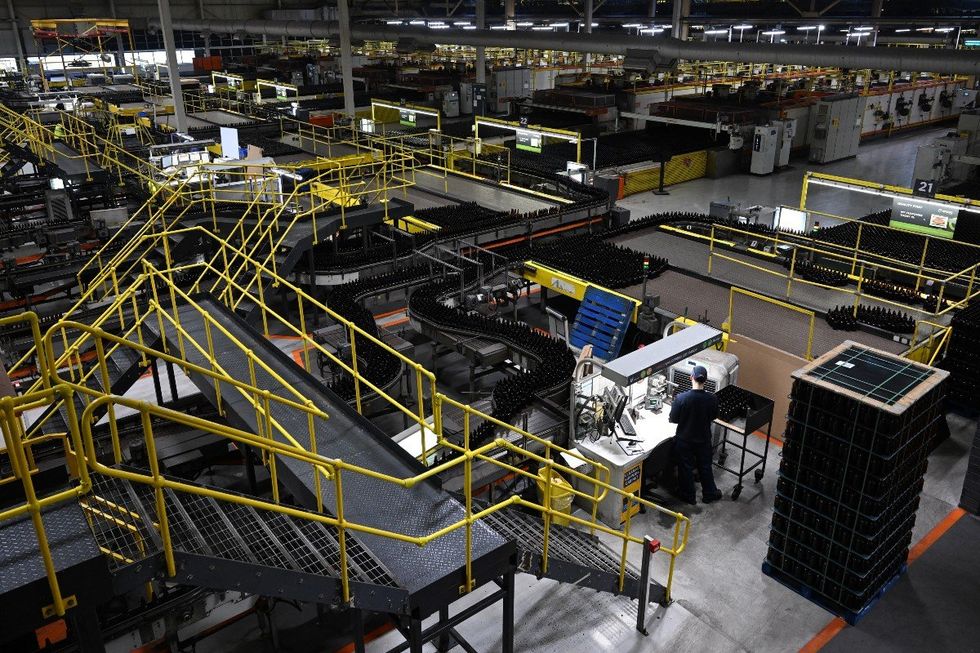
The British Industrial Competitiveness Scheme was recently expanded to 10,000 companies, meaning they are exempt from green charges, and have had their electricity bills cut by up to 25 per cent
|GETTY
The report found that the war would have “a particularly pronounced impact” on energy-intensive businesses, including steel and the chemicals sector.
It predicts that over the next five years, heavy manufacturing and energy utilities are expected to show output 2.2 per cent lower than previously forecast, with workers and investment moving to less energy-intensive areas.
On the wider economy, EY warns that the Iran conflict will cast a long shadow.
UK GDP was on track to grow by 1.3 per cent in 2026 but this has been cut to 0.8 per cent because of “the disruption to global energy supply and subsequent effect on prices and inflation”.
If the Strait of Hormuz remains closed, this could be slashed further, to 0.3 per cent.
Energy bills are set to rise, EY predicts, with a knock-on effect on inflation, which is set to rise above four per cent by the end of the year.
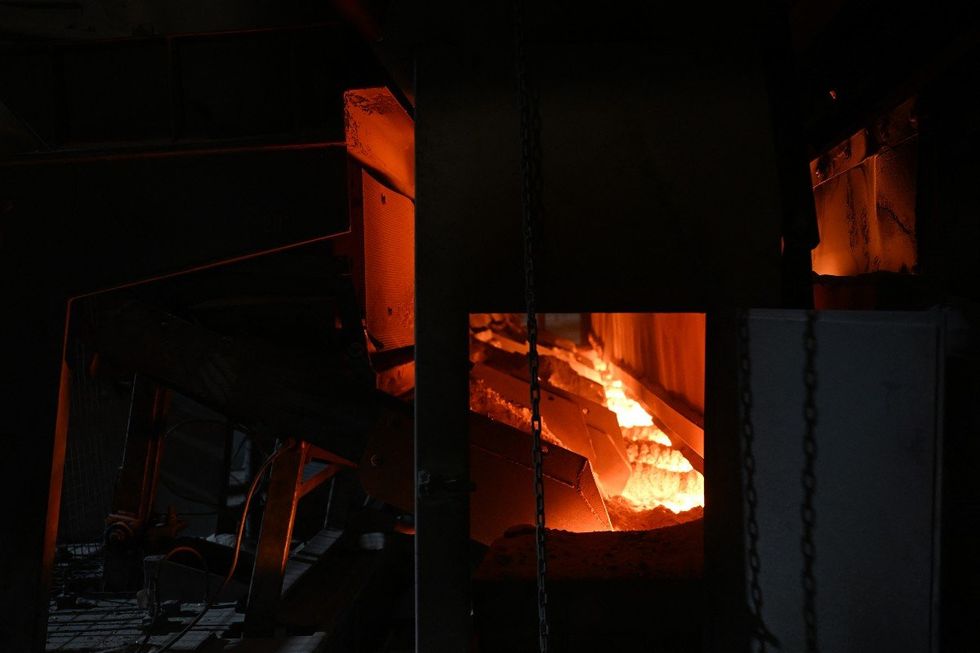
The report found that the war would have 'a particularly pronounced impact' on the steel and chemicals sector
|GETTY
EY UK chief economist, Peter Arnold, said: “Despite a relatively strong start to 2026, the conflict in the Middle East means the UK economy is once again being shaped by external shocks and on track for another year of subdued growth.
“We expect the first quarter of this year to show GDP on a fairly promising trajectory, before flatlining in the second quarter and gradually recovering into 2027 as the global markets adjust.
“Energy supply constraints will push inflation higher and delay interest rate cuts, increasing the cost of borrowing for businesses and prompting some companies to reassess spending decisions.
“Industrial and consumer-facing businesses are particularly exposed to the effects of energy volatility.
“High electricity prices were already constraining UK economic output last year, and further energy market disruption will intensify this pressure.”
A spokesperson for the Department for Energy Security and Net Zero said the key driver for high industrial energy prices was the cost of wholesale gas.
They said: "The lesson of yet another fossil fuel crisis is the UK needs to get off the fossil fuel rollercoaster and onto clean homegrown power we control.
“We are also taking bold action by cutting electricity bills by 25 per cent for over 10,000 of our most energy-intensive businesses.”