







American right-wing political commentator Jeremy Carl has defended Nigel Farage's use of "white lives matter" rhetoric in an interview with GB News.
Speaking to GB News Reporter Steven Edginton, Mr Carl argued that the phrase should not be considered controversial, stating: "Certainly if you're going to say black lives matter, there shouldn't be anything taboo about saying white lives matter, and so I think it's fine."
He praised the Reform UK leader for challenging what he perceives as a linguistic prohibition, saying it was "all to the good for Nigel Farage to break that taboo".
However, the commentator suggested his preferred long-term position would be different, explaining: "The kind of endpoint you really want to get to, the thing that we really care about is that all lives should matter, and so that's kind of where I would choose to personally concentrate my rhetoric over the long term."
Mr Carl referenced the Henry Nowak case, suggesting it struck a particular nerve with the British public.
He claimed the incident "couldn't have happened outside of the institutionally anti-white environment that exists there," adding that this environment is "in many ways I think more extreme even than what we have in the United States."
He noted the case appeared to generate notable public demonstrations, at least from the perspective of American media coverage.
Mr Carl expressed scepticism about whether such moments lead to lasting change, observing: "There is a tendency for folks to say, ah, well, this is it, this is going to be a turning point. We're really going to have a real discussion around some of these issues."
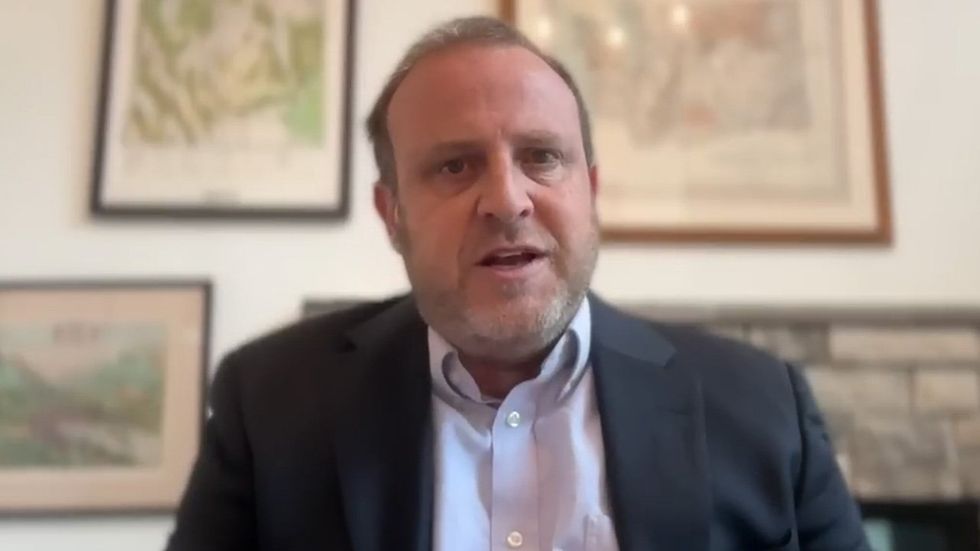
American commentator Jeremy Carl says Britain has an 'institutionally anti-white' culture
|GB NEWS
Mr Carl attributed this pattern to what he sees as Government overreach on speech issues.
He criticised UK authorities for detaining individuals over their online activity, stating: "The problem is you still have a Government that's arresting a lot of people for, frankly, fairly benign posts on X in some cases."
The commentator argued that British speech restrictions, when measured against American standards, create barriers to open dialogue on sensitive topics.
He said: "You certainly have a Government that is restricting people's speech, at least by US standards.
LATEST DEVELOPMENTS
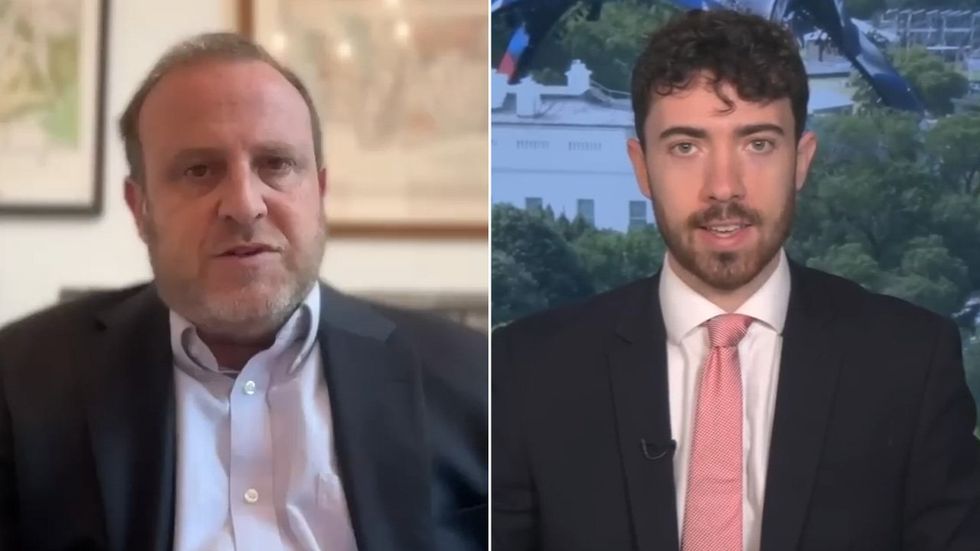
Mr Carl sat down with GB News Reporter Steven Edginton
|GB NEWS
"And so it becomes a little bit difficult to really talk about some of these issues when people can't really say and do things with full freedom."
Mr Carl maintained that white identity has become stigmatised, noting there remains "something a little scandalous about saying white lives matter."
He acknowledged differences between British and American contexts, noting that Britain has distinct ethnic identities such as English and Scottish that provide a more unified historical framework than exists in the United States.
He dismissed suggestions that anti-white discrimination is non-existent or that discussing it is divisive, calling such arguments "the same complete disparate impact fallacy that we have in the United States."
On policing statistics, Mr Carl accepted that black Britons face higher search rates but argued this figure alone is meaningless without examining offending rates.
Mr Carl concluded the UK statistics show certain communities are "being under policed" regarding knife crime.
He said: "My understanding of the statistics in England and elsewhere in the UK is that, in fact, that's exactly what's going on, that you do have these groups being searched more often, but they are committing knife crimes at an even higher rate than that. And so in fact, they're being under policed in this regard.
"If you have a group that is nine times more likely to be committing this type of crime, but they're only being searched three times more, they're actually being under searched."