






A museum will send treasures back to Africa to "give them meaning" - despite the artefacts being bought legally.
Brighton and Hove Museums will send its historic jewellery and accessories to Botswana, their country of origin.
Museums have faced demands to "return" artefacts before, but bosses offered a new explanation for why these ones deserved to be shipped abroad.
Curators said returning them to their original African "context" would give them a significance they lacked in Britain.
Portia Tremlett, the curator of world cultures at Brighton and Hove Museums, said: "This repatriation represents an important step in reconnecting these artefacts with the communities, histories and knowledge systems that give them meaning."
She said the return of the artefacts could be the "start of something" and hoped other museums would "follow the example".
The 45 objects were collected in the 19th century by missionary Rev William Charles Willoughby, who was respected in Botswana and legally acquired all of the artefacts.
The missionary was a friend and adviser to Khama III, the leader of the Bamangwato people, in the area which would eventually become Botswana.
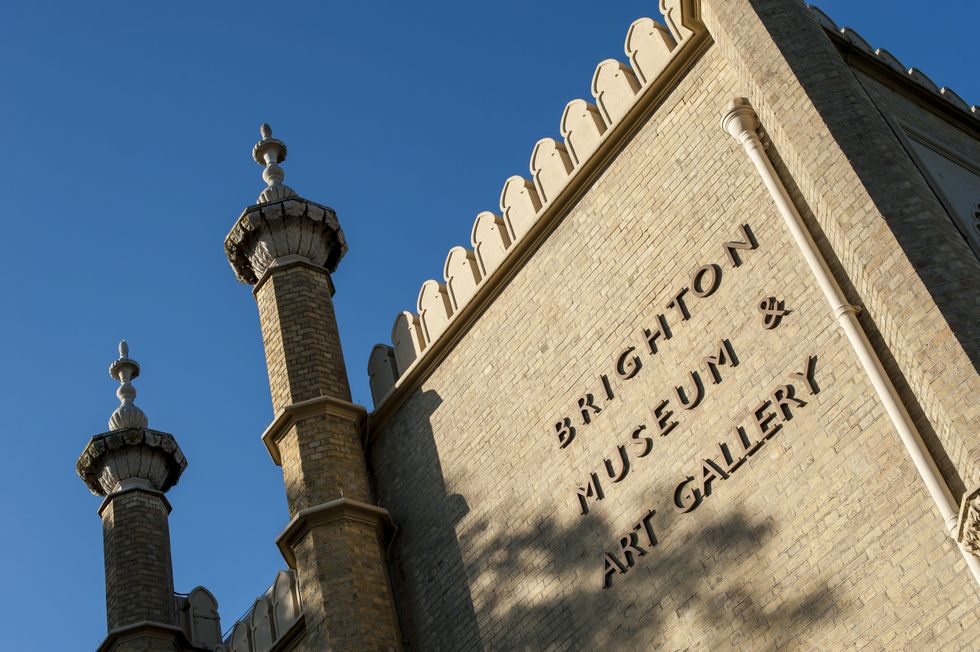
The Brighton Museum and Art Gallery is set to return artefacts that had been legally obtained
|GETTY
He accompanied Khama III to Britain in 1895 when the Christian leader had an audience with Queen Victoria.
Mr Willougby's collection includes charms, necklaces, bracelets, hats, a walking stick, sandals, and porridge spoons.
It was donated to museum collections in Brighton where the reverend served as a minister before his move to Africa.
Brighton and Hove Museums received a request for the collection's return in 2022.
READ MORE FROM THE SOUTH EAST:
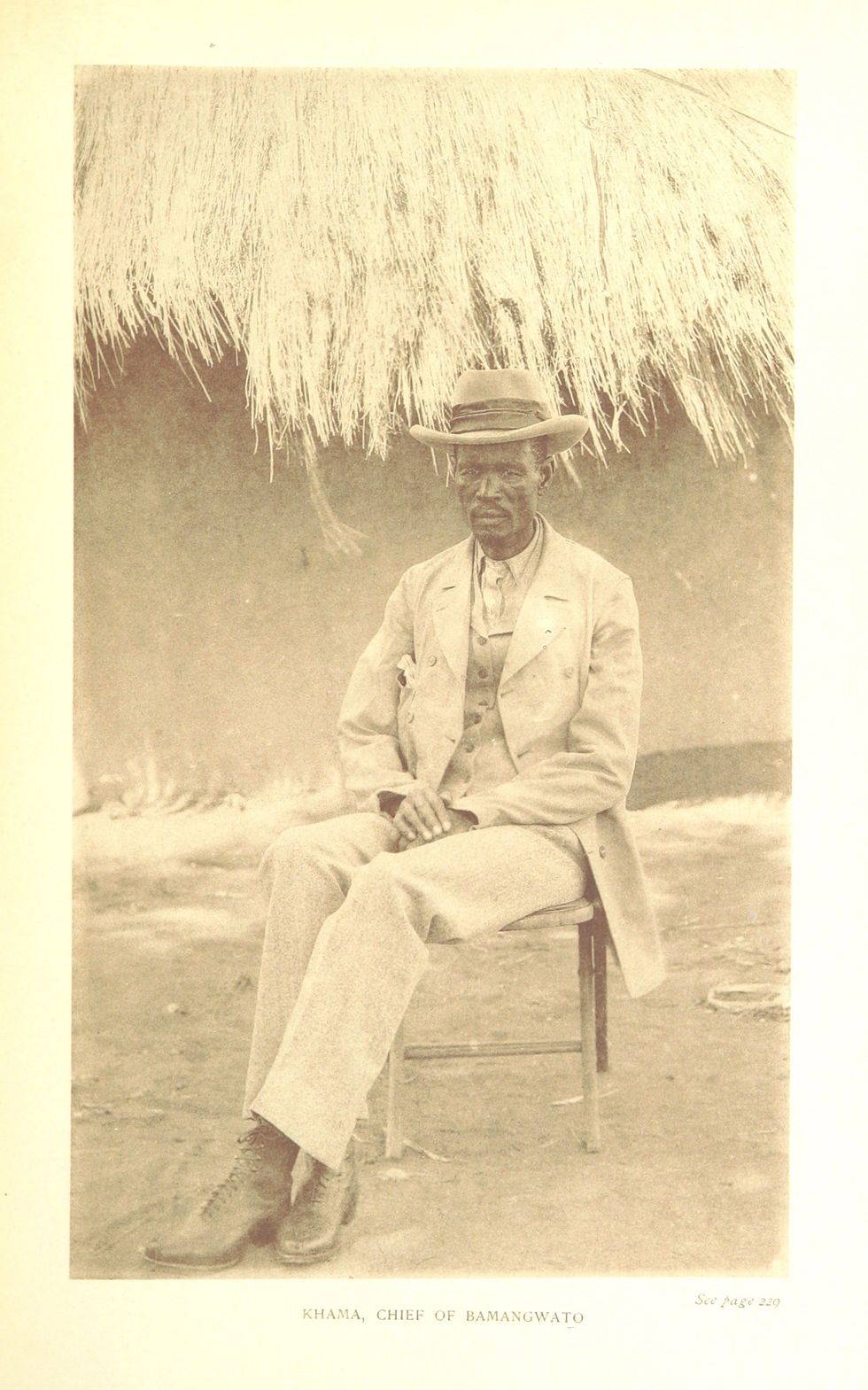
PICTURED: Khama III, the Botswanan ruler who was accompanied by Rev William Charles Willoughby, who obtained the collection legally
|WIKIMEDIA COMMONS
The request was made at a time when Nigeria had pushed for the Benin Bronzes, acquired in 1897, to be returned.
In February, The University of Cambridge's Museum of Archaeology and Anthropology announced it will return more than 116 of the artefacts to Nigeria.
Despite the Bamangwato collection not being stolen, curators in both Africa and Brighton believe it would have greater value in Botswana to teach younger generations about their disappearing traditional culture.
Gase Kediseng, curator at the Khama III Memorial Museum, said: "The return represents more than just a physical relocation, it is an act of restoration.
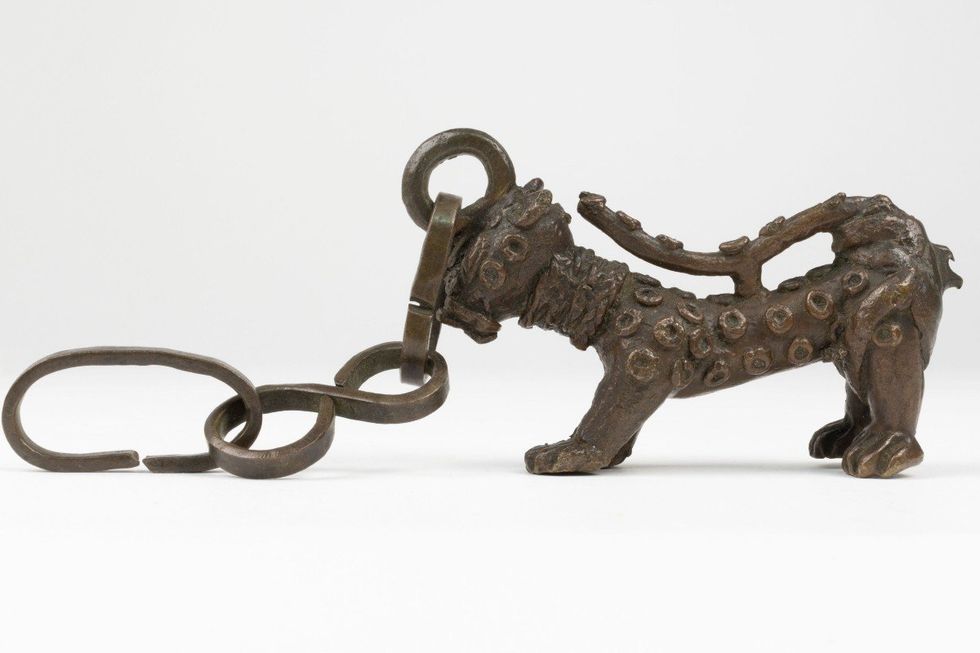 Benin Bronzes: Brass leopard with raised spots, attached by the head to a chain | UNIVERSITY OF CAMBRIDGE
"Repatriation reconnects objects to living knowledge, memory and cultural practices, reflecting similar efforts worldwide in which communities reclaim their heritage.
"Rooted in botho, this process affirms dignity, identity, and material culture, empowering Botswana to tell their own story on their own terms through objects that represent who we were, and who we continue to be."
The British Museum, however, is bound by law to keep collections intact, making following in the footsteps of the Brighton group much more difficult.
In December, the museum sent 80 treasures to India in a move to "decolonise" and establish "cultural diplomacy" with the former British colony.