








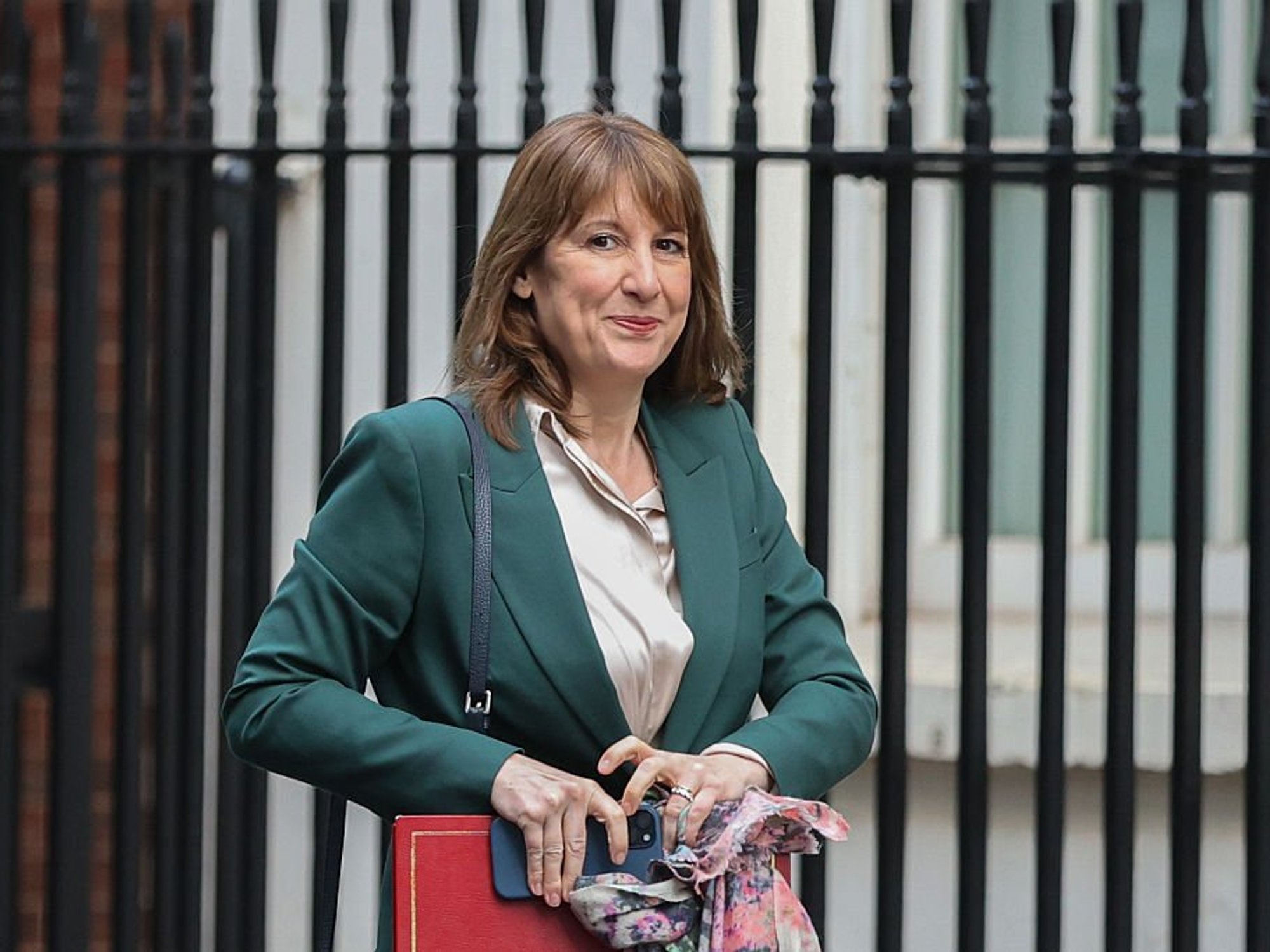

Universal Credit recipients across Britain saw their payments increase last week as new rates for the 2026/27 financial year took effect on April 6.
Single claimants aged 25 and over now receive £424.90 per month, up from £400.14, equivalent to around £5,098 annually.
The increase represents an above-inflation uplift as part of wider changes to the benefits system.
This group accounts for the largest share of Universal Credit claimants across the country.
TRENDING
Stories
Videos
Your Say
By the end of the decade, recipients in this category are expected to receive an additional £760 per year compared with 2024 levels.
The changes were introduced as part of reforms to how the Department for Work and Pensions administers support payments.
Couples claiming Universal Credit have also seen their payments rise.
Those under 25 now receive £528.34 per month, up from £497.55.

Universal Credit rises to £424.90 a month as millions get payment boost
|GETTY
For couples where both partners are aged 25 or over, payments have increased from £628.10 to £666.97 per month.
Single claimants under 25 have also benefited, with the standard allowance rising from £316.98 to £338.58 per month.
The Department for Work and Pensions said close to four million households on the standard Universal Credit rate will gain around £295 this year.
For single individuals aged 25 and over, this represents approximately £110 more than inflation alone would have delivered.
LATEST DEVELOPMENTS
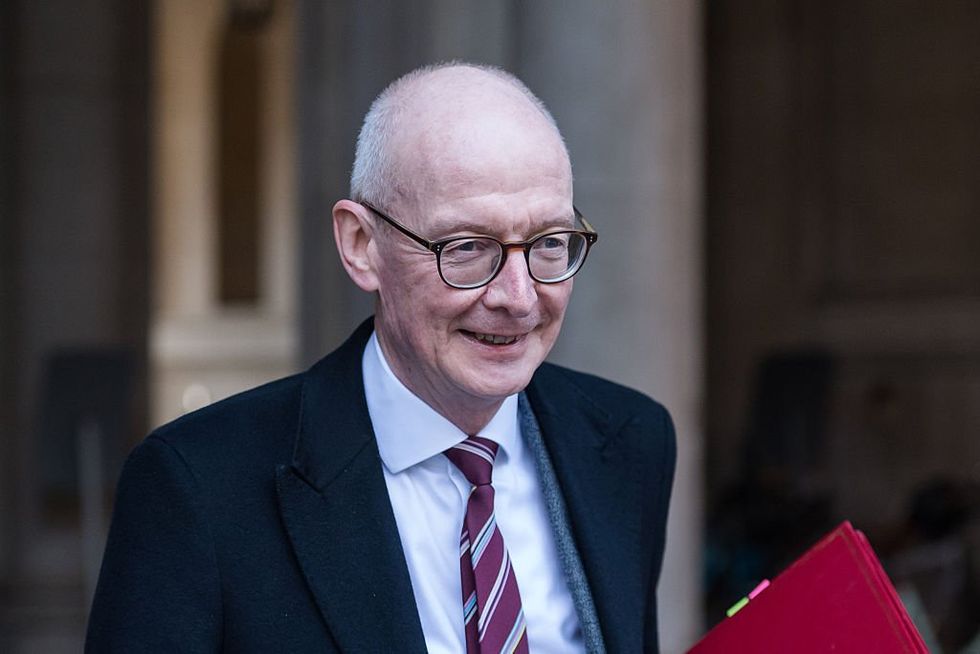
Pat McFadden overseas the DWP
| GETTYMinisters have also removed the two-child benefit cap as part of the reforms.
However, the changes include a reduction to the Universal Credit health element for some claimants.
For new applicants without the most severe health conditions, the payment has been reduced to £50 per week, equivalent to £217.26 per month, and will be frozen.
This is around half of the previous level of support.
Existing claimants will not be affected by the change.
The Government said the reforms are designed to remove incentives that discourage employment and reduce long-term dependency on benefits.
The Department for Work and Pensions (DWP) stated that the previous system provided more than double the support to those receiving health-related Universal Credit compared with jobseekers, without sufficient support to help them move into work.
Critics have raised concerns that the changes could leave some vulnerable people worse off.
Minister for Social Security and Disability Sir Stephen Timms said: "The welfare system we inherited has for too long locked disabled people and people with long term conditions out of work.
"Laws coming into force today will change that, reducing projected expenditure on Universal Credit by almost £1billion."
He added: "Simultaneously boosting the standard allowance and investing £3.5billion in employment support means we're creating a welfare system that backs people to work and helps them build a better future."
Those with the most severe lifelong conditions, individuals nearing end of life, and existing Universal Credit health claimants will continue to receive the higher rate.
The DWP said more than 65,000 people with limited capability for work have taken up voluntary employment support since March 2025, exceeding the Government’s target.
Our Standards: The GB News Editorial Charter