






A growing number of workers are turning down bonuses and pay rises to avoid breaching the £100,000 income threshold, which triggers a sharp increase in tax and the loss of key benefits.
"It was the last thing I wanted. I almost cried," Kate, a media professional and mother of two, told the Financial Times she described her reaction to receiving an unexpected year-end bonus.
Rather than celebrating the additional income, she said the payment risked pushing her earnings above £100,000.
Crossing the threshold results in the gradual removal of the £12,750 tax-free personal allowance while also affecting eligibility for government childcare support.
TRENDING
Stories
Videos
Your Say
Efforts to remain below the limit had already led Kate to reduce her working hours and increase pension contributions in order to manage her taxable income.
"It had become a juggling act. The extra money pushed me to the brink of tears," she said.
Within the £100,000 to £125,140 range, workers face an effective marginal tax rate of 62 per cent as allowances are withdrawn.
Even exceeding the threshold by a small amount can have a substantial financial impact, particularly for parents relying on childcare support.
Had her adjusted net income risen above £100,000, Kate said she would have lost access to 30 hours of weekly government-funded childcare, worth more than £10,000 per child, alongside £4,000 in annual tax-free childcare support for her two children.

UK £100k tax trap forces workers to reject bonuses and promotions, experts warn
|GETTY
"The relatively small bonus would have cost me thousands," she said.
Analysis by the Institute for Fiscal Studies indicates that a London-based parent with two nursery-age children would need to earn more than £149,000 to achieve the same disposable income as someone earning £99,999.
Rising numbers of workers are being drawn into this threshold, with wealth manager Rathbones reporting that the number of six-figure earners is expected to exceed 2 million for the first time this month.
HMRC data suggests a further 112,000 people could cross the threshold in the 2026-27 tax year.
LATEST DEVELOPMENTS
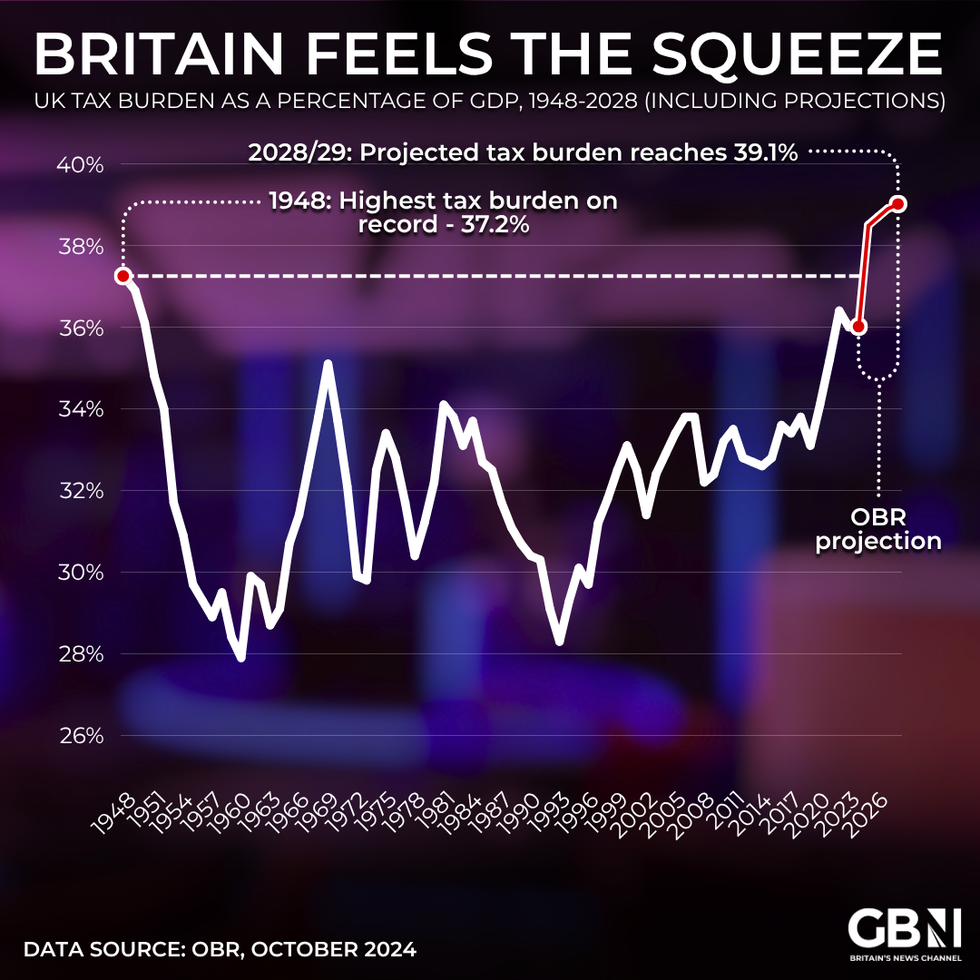 UK tax burden as a percentage of GDP | GB News
A survey of 1,000 workers earning between £90,000 and £125,000, conducted by IG Group, found that 28 per cent had declined promotions, 26 per cent had rejected bonuses and 24 per cent had turned down pay increases as a result of the tax rules.
"The system is encouraging people to take their foot off the gas, and is clearly distorting behaviour," Michael Healy, managing director for the UK and Ireland at IG Group, said.
"When people are financially better off rejecting a pay rise, it's a sign the system is fundamentally misaligned with basic economic incentives," he added.
Stephanie Ebner, financial planning lead at Rathbones, described the threshold as "one of the most baffling quirks in our tax system", pointing to frozen thresholds and more than a decade of inflation as factors drawing in a broader range of professionals.
Concerns have also been raised about the wider economic impact, with some experts warning that reduced working hours and constrained earnings could affect productivity and tax revenues.
"The cliff edge is actively anti-growth at a time when the UK can least afford it. When high-earning, mid-career professionals reduce hours or limit their earnings, it directly impacts productivity, labour supply and tax receipts," Mr Healy said.
In response, workers are increasingly using strategies such as pension salary sacrifice, deferring bonuses into future tax years and opting for non-cash benefits including employer-supported childcare.
Financial advisers have called on ministers to review the structure, including raising childcare thresholds and adjusting the personal allowance taper in line with inflation.
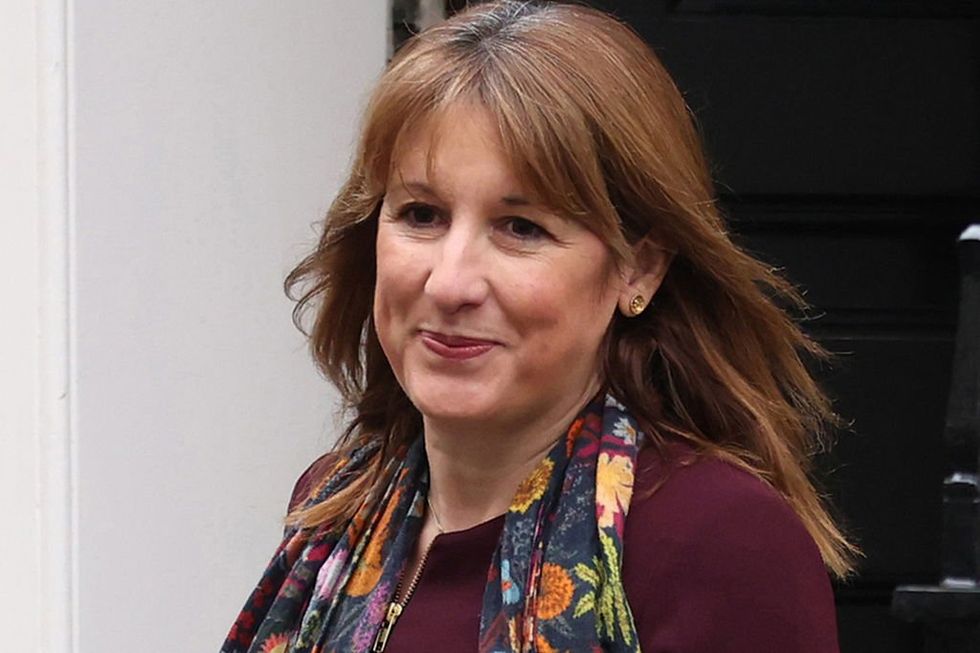
Chancellor Rachel Reeves has faced criticism for the tax levels implemented
| GETTYThe Office for Budget Responsibility (OBR) has acknowledged concerns around marginal tax rates and is expected to carry out further analysis comparing the UK system with those of other countries.
The Treasury said the withdrawal of the personal allowance for higher earners ensures support is targeted towards those who need it most, while helping to fund public services and tax reliefs.