






BP is understood to be floating a complete withdrawal from the North Sea under a strategic review launched by its recently appointed chief executive, Meg O'Neill.
The energy giant's offshore operations could be sold for as much as £2billion, potentially bringing to a close more than six decades of activity in British waters.
Ms O'Neill, who assumed leadership of the company last month, is reportedly examining whether to dispose of all or part of BP's UK offshore business.
Such a move could also clear the path for the firm to shift its stock market listing to the United States. No final decision has been reached on any disposal, according to reports first published by Bloomberg.
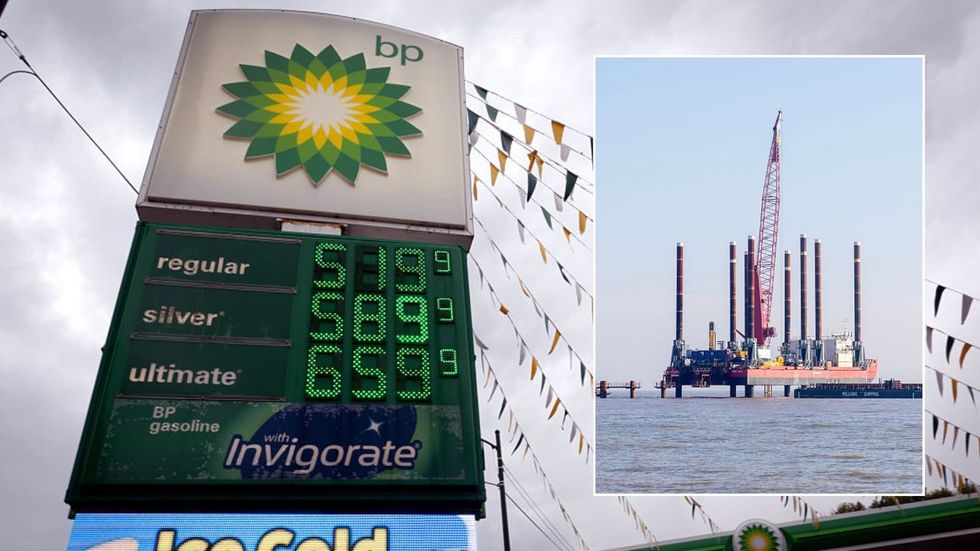
BP is understood to be considering an exit from the North Sea
|GETTY
A BP spokesman declined to address speculation about a company-wide review when approached by The Telegraph. The review emerges just days after Energy Secretary Ed Miliband launched a public attack on the company's financial performance.
Mr Miliband described BP's profits as "morally and economically wrong" in a post on X, which he subsequently removed from the platform. His criticism followed BP's announcement of what it termed "exceptional" first-quarter earnings totalling £2.4billion.
The company attributed these results to oil trading activity connected to the ongoing Iran conflict. BP has consistently voiced concerns about the windfall tax regime imposed on North Sea operators.
The firm's most recent tax report stated that the levy had "created significant uncertainty for the UK's oil and gas industry." Other major operators have cited similar concerns when announcing their own departures or investment cuts.
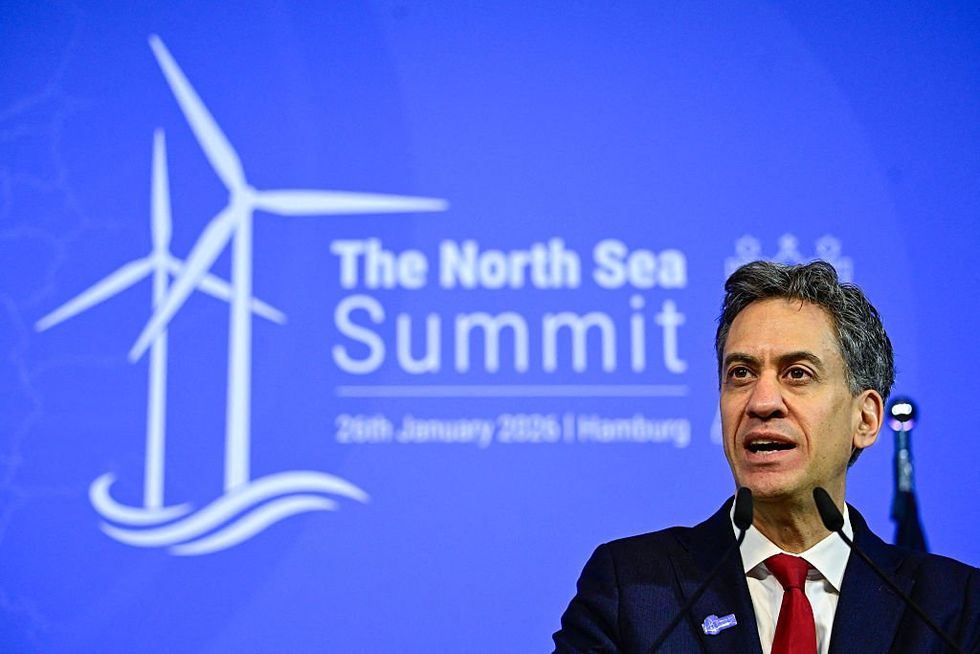 Mr Miliband will use his speech to take aim at North Sea drilling | GETTY
LATEST DEVELOPMENTS
 Energy prices have soared, with experts citing Britain's exposure to global energy prices | GETTY
BP maintains stakes in between 20 and 25 producing fields across UK waters, organised around several major operational hubs.
West of Shetland, the company operates the Glen Lyon, Clair Ridge and Clair Phase 1 platforms, with the Clair field containing an estimated seven billion barrels of oil—the largest deposit on the UK continental shelf.
The Eastern Trough Area Project, situated east of Aberdeen in the northern North Sea, represents another significant production centre. The Seagull and Murlach fields have both commenced operations within the past three years.
BP has already offloaded several UK assets, including the Shearwater field, Magnus platform and Forties pipeline system. The company has also confirmed intentions to divest most of its holding in Net Zero Power, a Teesside gas turbine project designed to incorporate carbon capture technology.
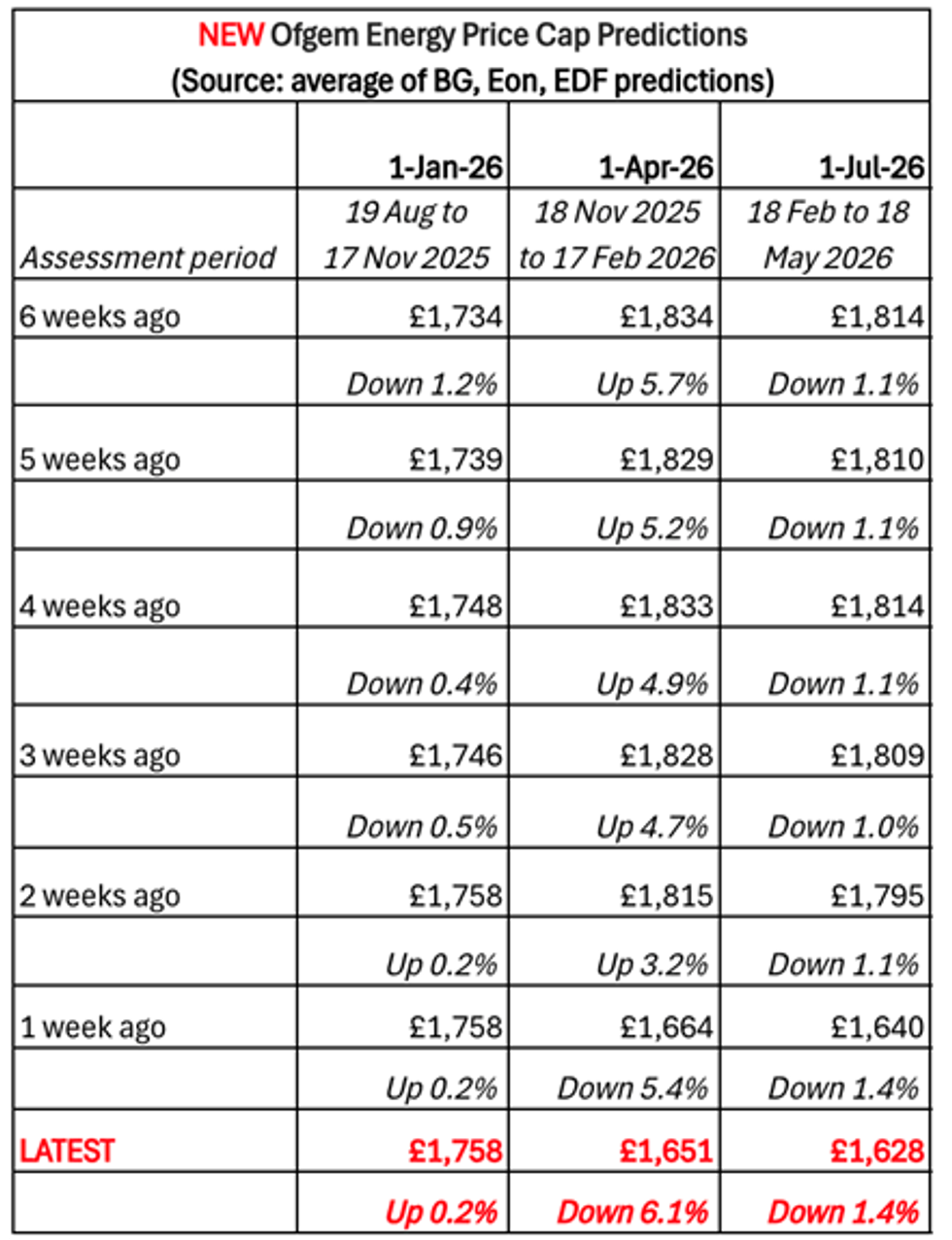 How will the Ofgem energy price cap change this year year? | MARTIN LEWIS / X
Labour's decision to raise the windfall tax by three percentage points, bringing the effective overall rate to 78 per cent and extending it until 2030, has cost BP an additional £539million according to its 2025 annual report.
The company remains one of Britain's largest corporate taxpayers, having contributed £1.2billion to the Treasury in 2024.
Dan Slater, research director at Zeus Capital, argued that Britain's punishing tax regime meant BP could achieve superior returns by deploying capital overseas: "Any exit from the UK North Sea would be another consequence of the Government's inappropriate tax and unhelpful regulatory policies."
A Government spokesman rejected these criticisms, stating ministers were providing the sector with long-term certainty to plan and invest while supporting jobs, with plans to replace the energy profits levy when it concludes.