










Scotland could introduce new restrictions on larger vehicles in city centres following fresh calls from campaigners, who warned SUVs are becoming an "emerging problem".
A new report from sustainable transport group Transform Scotland has urged the next Scottish Government to consider bringing in limits on the biggest vehicles in urban areas.
According to the report, SUVs made up almost half of all new cars sold in 2023, a dramatic rise from just one in 10 in 2020. Campaigners warned that this rapid growth is already having a visible impact on Scotland's towns and cities.
The group argued that SUVs take up more space on roads and in parking areas, while also contributing to road damage and increasing risks for pedestrians and cyclists.
TRENDING
Stories
Videos
Your Say
As a result, Transform Scotland is calling for ministers to explore restrictions on the largest vehicles entering city centres as well as get the Scottish Government to push for a UK-wide levy on heavier cars, which could make owning and using SUVs more expensive.
At a local level, the report suggested councils could introduce weight-based parking charges, meaning drivers of larger vehicles would pay more to park.
Similar approaches have already been introduced in cities such as Cardiff and Paris, where the French capital introduced triple parking charges for heavier cars after the mayor argued that SUVs were dangerous and bad for the environment.
Another proposal was to ban the advertising of SUVs on council-owned sites, in an effort to reduce their appeal and slow the growth in sales.
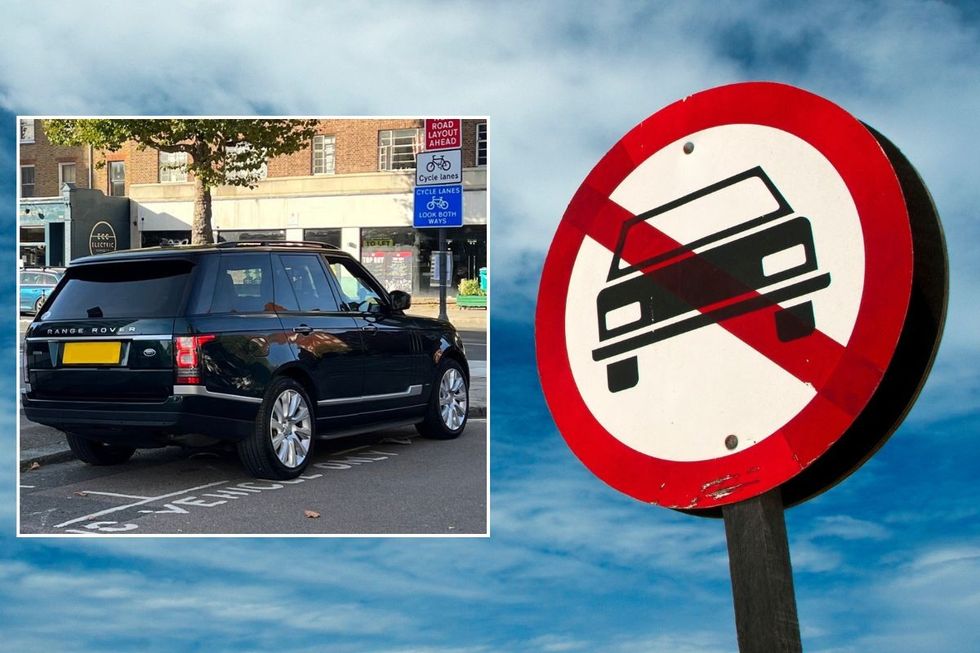
The report has called on the Scottish Government to introduce new SUV restrictions in major cities
| SUV ALLIANCE/GETTYThe report has been published ahead of the Scottish election on May 7, where political parties have already made pledges to fix Scotland's roads and tackle the growing problem of potholes.
One of the key concerns highlighted was the impact of SUVs on road surfaces, with their higher axle weight accelerating the wear and tear, leading to more frequent damage and higher repair costs.
Research by Imperial College London found that in the case of a crash, a pedestrian hit by an SUV was more likely to be severely injured or killed than if they were hit by a smaller car.
Oliver Lord, UK Head of Clean Cities, said: "This boom in US-style pick-up trucks is lifestyle over practicality in exchange for parking mayhem and dangerous roads.
LATEST DEVELOPMENTS
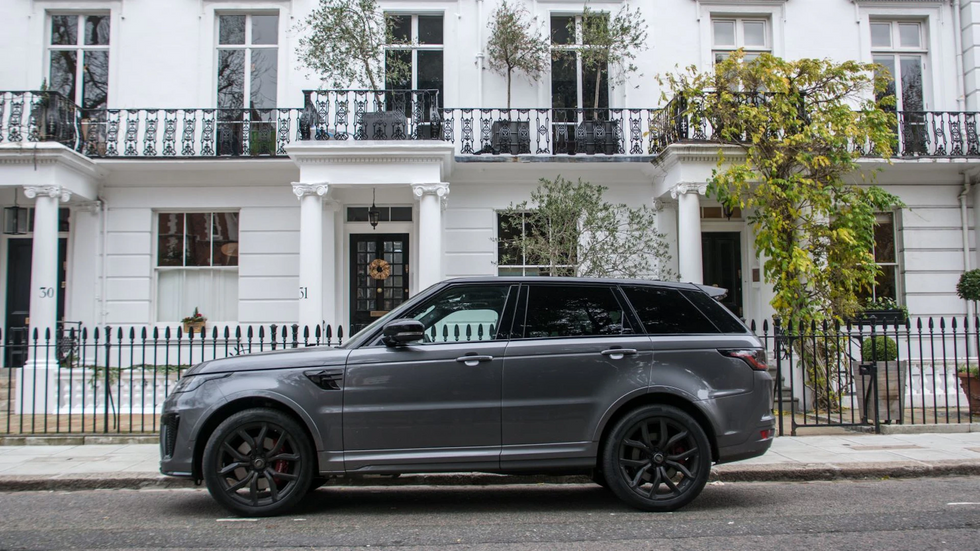 SUVs have become wildly popular among British drivers, particularly families | TRANSPORT AND ENVIRONMENT
 "City leaders must act to discourage these menacing vehicles from our streets. How is it acceptable to have a vehicle so tall that children cannot be seen?"
Environmental concerns were also outlined, with Transform Scotland explaining how SUVs generate more pollution through increased tyre and brake wear, releasing harmful particles into the air.
This can worsen air quality in urban areas and pose health risks, particularly for children, older people and those with respiratory conditions.
Laura Hyde-White, the report's author and public affairs manager at Transform Scotland, explained how SUVs are already reshaping urban life.
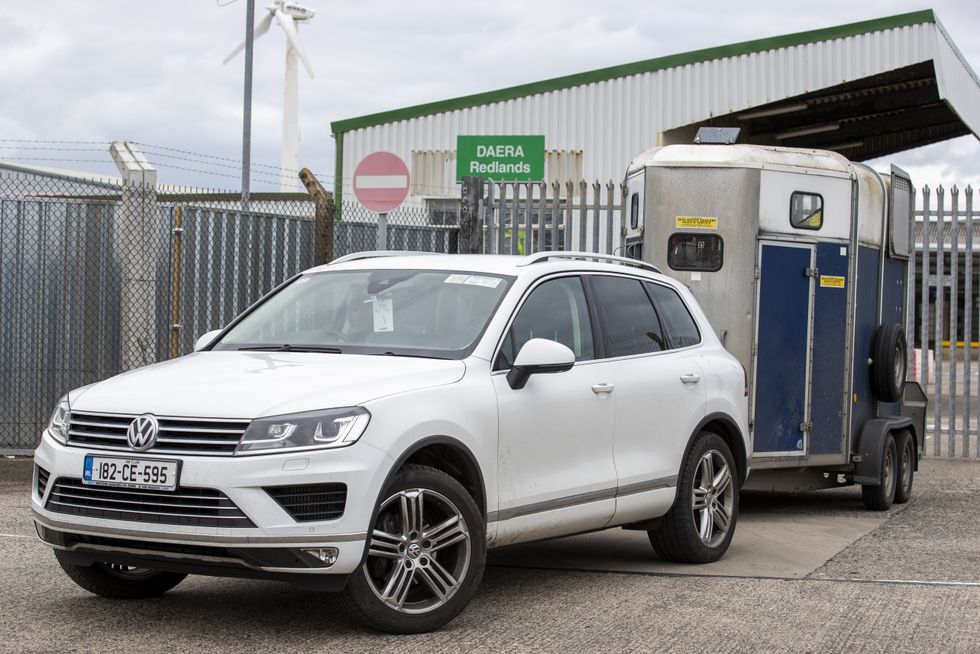 The report suggested that SUVs should pay higher parking charges and car taxes | PA
She said: "They reduce visibility, cause more damage to our roads, take up disproportionate space and are more likely to result in fatal outcomes in collisions."
She also raised concerns about fairness, pointing out that many people do not own a car but are still affected by how streets are designed.
Ms Hyde-White said: "One in four people in Scotland do not have access to a car, and that rises to around two in three in lower-income households.
"Yet increasing amounts of public space are being shaped around vehicles that many people neither use nor benefit from. If we want safer, more liveable cities, we need to design them for people rather than cars."