







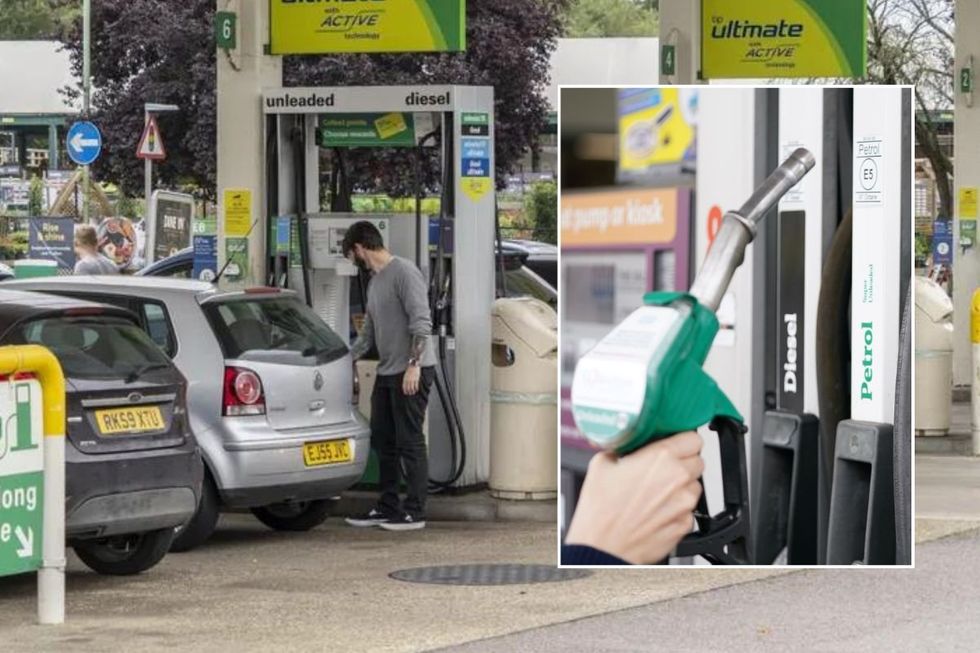
Rising petrol and diesel costs have pushed UK inflation higher, putting fresh pressure on households and prompting more drivers to consider switching to electric vehicles.
The latest figures from the Office for National Statistics showed inflation rose to 3.3 per cent in the year to March, up from three per cent the previous month.
The increase was largely driven by transport costs, with petrol and diesel fuels making the biggest contribution, due to growing uncertainties in the Middle East.
Petrol prices jumped by 8.6p per litre in March, while diesel surged by 17.6p per litre in just one month. Average petrol prices reached 140.2p per litre, while diesel hit 158.7p, reaching some of the highest levels seen in recent years.
TRENDING
Stories
Videos
Your Say
The sharp rise in fuel costs has now begun having a direct impact on drivers' behaviour, with growing interest in electric vehicles spiking.
Iain Reid, Content Director at Carwow, said: "With inflation climbing to 3.3 per cent and fuel prices seeing their sharpest jump in years, up 8.6p per litre for petrol and 17.6p for diesel in just a month - it's clear motorists are bearing the brunt.
"We're seeing the real-world impact too: EV enquiries on Carwow surged 23 per cent in March, and are up a further 14 per cent again this month as drivers look to escape volatile pump prices, while rising costs are even being linked to a surge in fuel theft."
The data highlighted how transport costs are feeding into wider inflation. Overall transport prices rose by 4.7 per cent in the year to March, up sharply from 2.4 per cent in February, marking the highest rate since late 2022.
 Labour announced that the fuel duty freeze would end following the need to balance revenues | GETTY
While some areas, such as clothing saw falling prices, this was not enough to offset the impact of higher fuel and energy costs. Food prices also continued to rise, adding to the pressure on household budgets.
Mr Reid warned the situation could risk becoming unsustainable for many families already struggling with the cost of living.
"While switching to electric offers longer-term protection from this kind of volatility, and is a transition most drivers will have to make eventually, the immediate pressure on households is intense," he said.
The growing appeal of EVs comes as drivers look for more predictable running costs. Unlike petrol and diesel, electricity prices are generally less volatile, making it easier for households to plan their spending.
LATEST DEVELOPMENTS

Conflict remains ongoing in the Middle East, which has pushed petrol and diesel prices up
| GETTYThe call for Government action has also grown as costs continue to rise, with Mr Reid urging ministers to take steps to prevent further financial strain on motorists, particularly when it comes to fuel duty.
Addressing the growing Middle East crisis, Chancellor Rachel Reeves told the House of Commons this week the Government was aware of the unintended impact on families and businesses.
She said: "That is why I have extended the 5p cut for fuel duty twice since the election, saving the average motorist £90 a year compared with the plans that I inherited.
"Fuel duty was never lower in 14 years under the Conservatives than it is today. Of course, we are keeping all scenarios under review, but it is quite clear that the best way to bring down fuel prices is to de-escalate this conflict, not ramp it up like the Conservatives want to do."
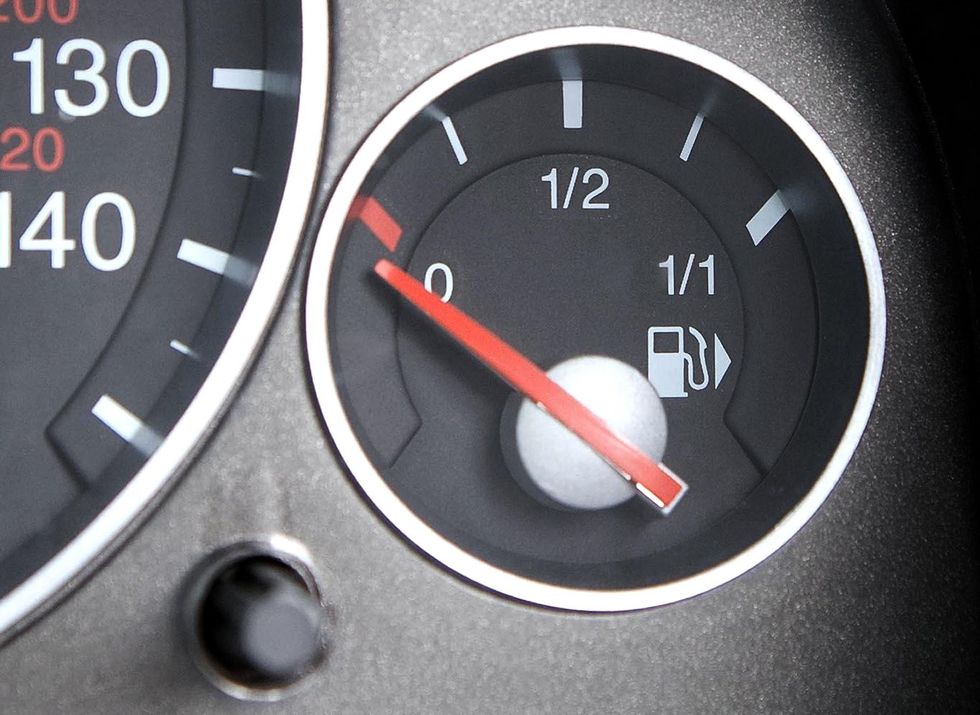 The 15-year fuel duty freeze was extended at the Autumn Budget | PA
Ms Reeves acknowledged there are concerns about filling up their car with petrol and diesel right now. "We have introduced the cheaper fuel finder tool, so that people can compare prices and get the best deal when they fill up their car, and we have had all the petrol retailers into No. 11 Downing Street to ensure that we do not have any price gouging," she told the House.
But she did note there are still four and a half months until September, when the fuel duty freeze will end, and it will begin to increase in line with inflation.
She added: "We are preparing for every eventuality. I have extended the fuel duty freeze and the 5p cut twice already.
"I recognise the challenges faced in the current conflict by the agricultural sector and other sectors that are big users of diesel. That is why we are working hard with the industry to ensure that the sectors get the support that they need. Crucially, we are also trying to de-escalate the conflict and reopen the Strait of Hormuz to improve the availability of diesel and fertiliser."
But Mr Reid argued the Chancellor should "seriously consider" freezing fuel duty beyond 2026 to avoid a double hit of rising global prices and higher taxes on already stretched motorists.
Our Standards: The GB News Editorial Charter