









Motorway speed limits should be cut to help ease pressure on fuel supplies, which spiked due to the Middle East crisis, experts have suggested.
With concerns growing over global oil disruption, the Government has been urged to consider simple measures to reduce demand and prevent panic-buying.
One option would be to lower speeds on motorways, which can quickly cut fuel use across the country, an expert has revealed.
Gordon Wallis, from fuel supplier Interfuels, explained how even small changes to speeding could make a difference to the amount spent on fuel.
TRENDING
Stories
Videos
Your Say
"Fuel use increases significantly at higher speeds, so even a relatively small reduction can lead to noticeable savings," he said. "In a supply crunch, these marginal gains become much more important."
Driving more slowly improves fuel efficiency, meaning less petrol and diesel is used per journey. Mr Wallis said cutting motorway speeds from 70mph to around 60mph could reduce fuel consumption by about 10 per cent, depending on the vehicle.
"Cutting motorway speeds from 70mph to around 60mph can improve fuel efficiency by roughly 10 per cent, depending on the vehicle," he added. "For longer journeys, that translates into real savings, even if they appear modest on a single trip."
While individual savings may seem small, the overall impact across millions of drivers could significantly reduce national fuel demand.
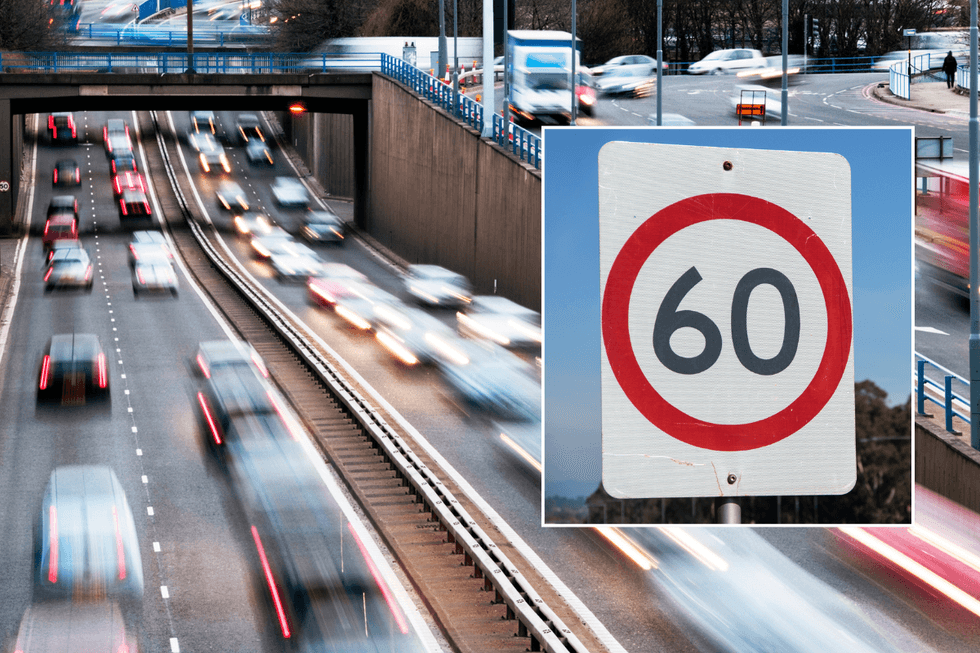
Experts have called on the Government to mandate lower speed limits to help ease fuel supply pressures
|GETTY
Emergency plans already include measures such as fuel rationing and temporary speed limit reductions if the UK faces a severe shortage. Experts explained that acting early is key to avoiding more drastic steps later.
Mr Wallis warned that public behaviour can quickly make shortages worse if confidence drops.
"Shortages can escalate quickly if public confidence drops," he said. "Panic-buying accelerates the problem and brings forward the point at which restrictions become necessary."
There have already been reports of long queues at petrol stations in some areas, as drivers worry about rising prices and possible shortages.
LATEST DEVELOPMENTS
Campaigners have called on Labour to slash speed limits to curb fuel spending
| PAFuel costs have also been climbing, with petrol hitting multi-year highs and diesel pushing the cost of filling a family car beyond £100. This has added pressure on ministers to act swiftly if conditions worsen.
Mr Wallis said lowering speed limits should be part of a wider effort to cut fuel use. He also highlighted working from home as another way to reduce demand.
"Working from home, even partially, is another effective way to reduce fuel consumption," he said. "Fewer commutes mean lower overall demand, which helps stabilise supply during periods of strain."
The Government's emergency fuel plans also hope to prioritise essential services such as ambulances, while potentially limiting how much fuel individuals can buy.
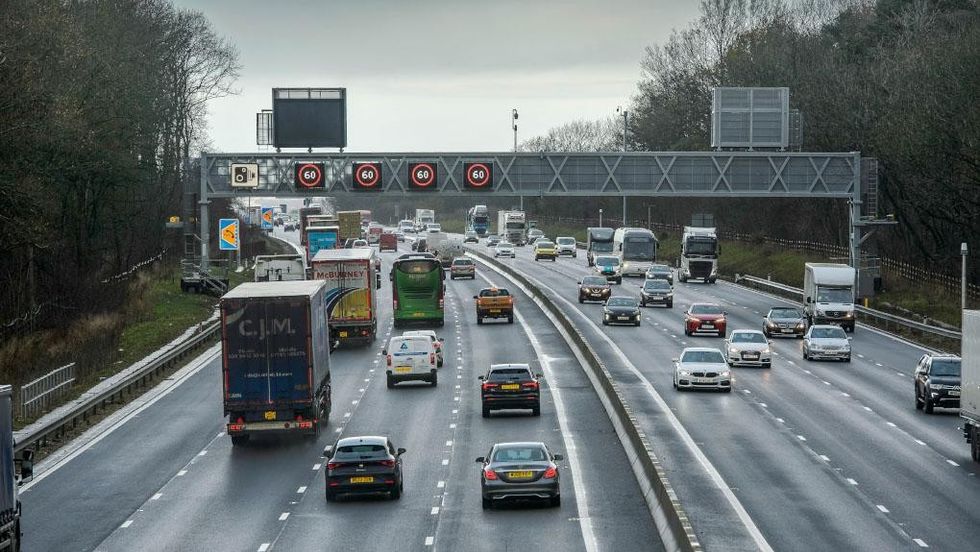
Experts explained how cutting speed limits to 60mph could help save on fuel costs
| OFFICE OF RAIL AND ROADBut Mr Wallis stressed that clear communication will be just as important as any policy changes. "Clear guidance helps prevent unnecessary demand spikes," he said.
"If people understand the situation and trust the response, they are less likely to rush to fill up." He added that the situation shows how exposed the UK remains to global energy shocks.
"This situation highlights how exposed the UK remains to global energy shocks," Mr Wallis said. "Practical steps like reducing speed limits, combined with transparent messaging, can make a meaningful difference in managing both supply and public behaviour."
Experts explained that no single solution will fix a fuel crisis, but a mix of measures, including slower driving and fewer journeys, could help the UK manage shortages more effectively.