






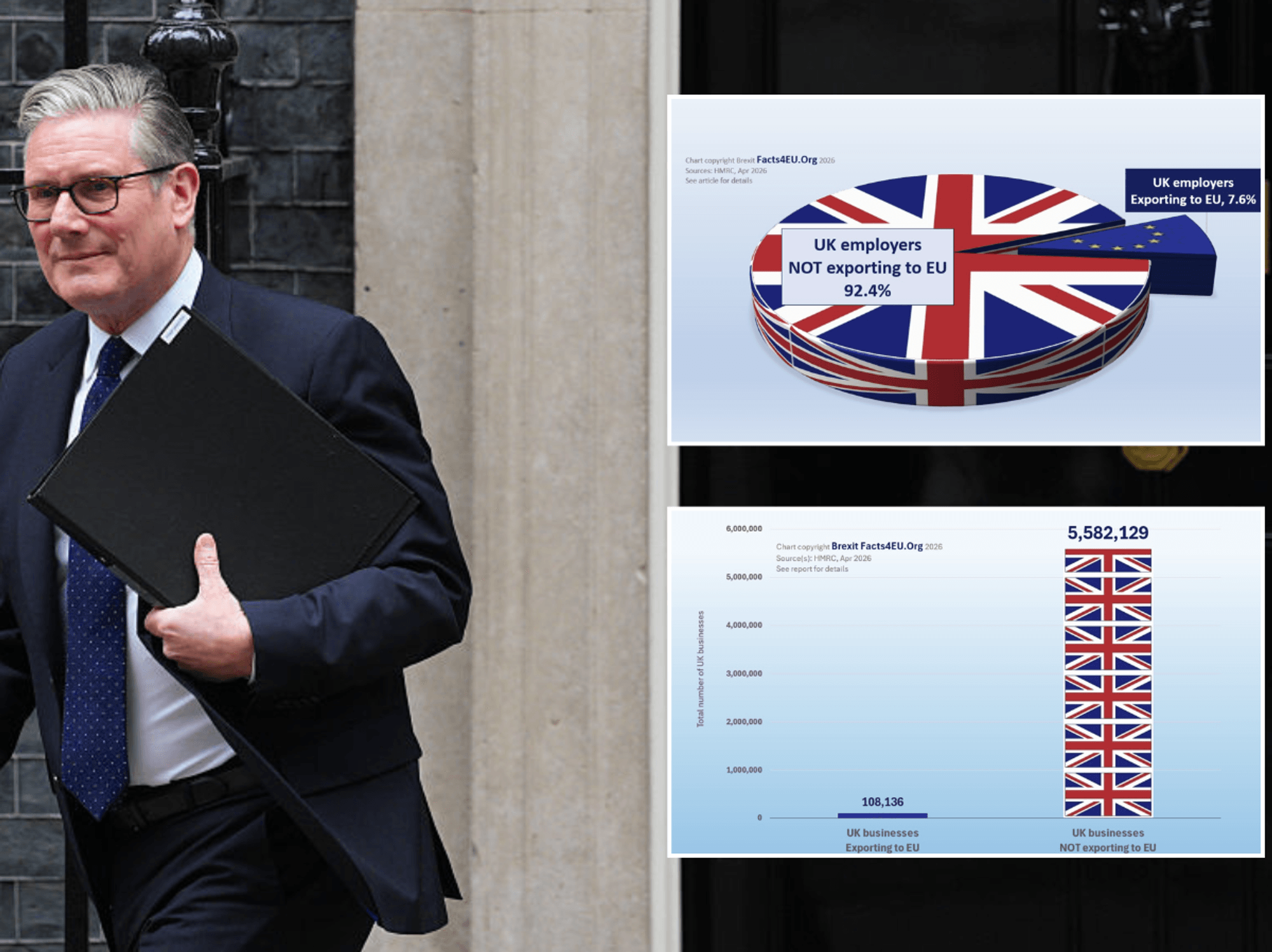



Labour is set to review the mileage allowance paid to workers who use their own cars for work, after a petition calling for an increase and growing concern that the rates have not changed since 2011.
The move could affect millions of people who claim travel expenses from their employers, particularly those in essential jobs such as care work, where staff often rely heavily on their own vehicles.
HM Treasury confirmed last month that the review will take place ahead of a future Autumn Budget announcement following feedback from the workforce.
Officials acknowledged that the current rates have stayed the same for more than a decade, despite rising fuel, insurance, and maintenance costs over that period.
TRENDING
Stories
Videos
Your Say
The move outlined by Chancellor Rachel Reeves also raised concerns about the impact on lower-paid workers, stating that outdated reimbursement levels are effectively pushing extra costs onto those who can least afford them.
A key focus of the review will be what the Government describes as a "workers-first approach", meaning it will look closely at how changes could support people who rely on driving to do their job.
Ministers have also promised to speak directly with affected workers as part of the consultation process, particularly those facing higher costs due to travel requirements.
The debate has been fuelled by the mileage allowance remaining the same since 2011, as well as a petition which called for the rate to increase from 45p per mile to 70p per mile. It has gained significant attention, with campaigners arguing that the current rate no longer reflects real-world costs.
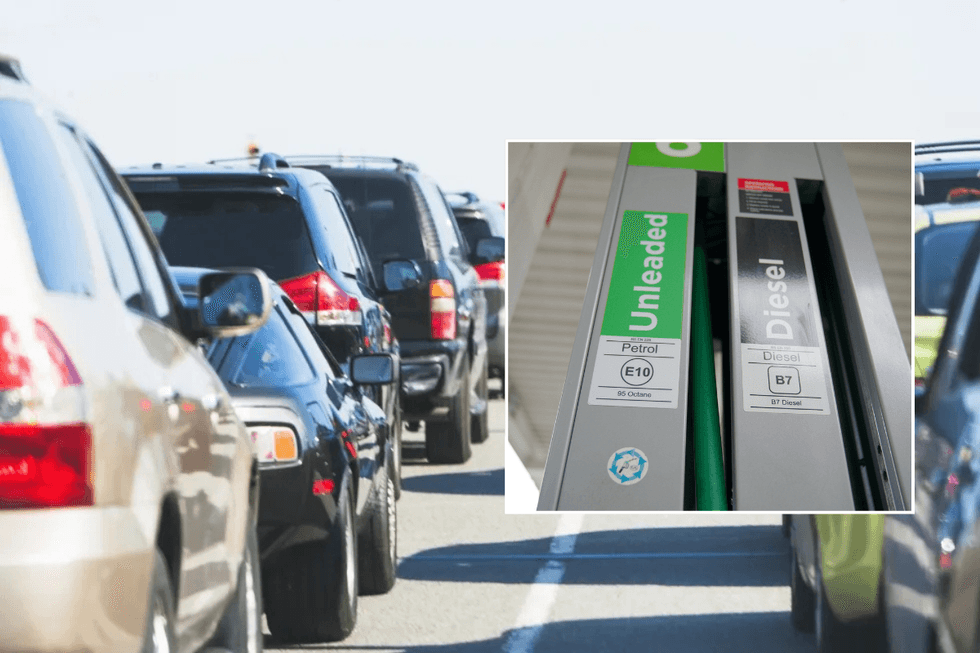
The petition called for the mileage allowance to increase to 70p
|GETTY/PA
The petition was launched by Neil Michael Wyatt, who pointed to Bank of England figures suggesting UK prices have risen by around 49.2 per cent since April 2011, when the rate was last updated.
Campaigners explained that the issue goes beyond tax relief, with many workers effectively subsidising their employer's business costs out of their own wages because the reimbursement does not cover what they actually spend.
The financial gap can also be significant. Under current rules, a worker driving 10,000 business miles a year receives 45p per mile for the first 10,000 miles, with the rate dropping to 25p afterwards.
At 45p per mile, that would mean £4,500 in payments, but campaigners argued that at 70p per mile, the same mileage should return £7,000, a difference of £2,500 a year.
LATEST DEVELOPMENTS:
The Government updates the advisory fuel rates every three months
| GETTYEven for lower-mileage workers, the shortfall adds up. Someone driving just 1,000 business miles a year could be missing out on around £250 if the higher rate were applied.
At present, the approved mileage allowance payment system allows employers to reimburse staff tax-free within certain limits. Most employers base their own schemes on these rates, meaning the Government figures effectively set the standard across the workforce.
But Treasury guidance updated as recently as April and confirms that the core rates are still frozen at 45p and 25p for cars and vans.
Motorcyclists currently receive 24p per mile, regardless of distance, while cyclists can claim 20p per mile for business travel.
Approved Mileage Allowance Payments are calculated every year
| PASpeaking on the issue, Exchequer Secretary to the Treasury Dan Tomlinson said: "Millions of working people rely on their car to do their job. But mileage rates have been unchanged since 2011, and that's increased the cost of working. A review is well overdue."
He added that the Government remains focused on keeping wider travel costs down, highlighting the continued freeze on fuel duty until September as part of cost-of-living support measures.
Alongside the mileage review, HMRC continues to update advisory fuel rates for company cars. As of March, petrol and diesel rates remained broadly unchanged, with petrol cars ranging from 12p to 22p per mile depending on engine size, and diesel vehicles between 12p and 18p per mile.
Electric vehicle rates have seen more frequent updates. HMRC now sets separate rates for home and public charging, reflecting different costs. Home charging is set at 7p per mile, while public charging is 15p per mile following a recent increase.