







A major safety push has been unveiled with the aim of equipping commercial vehicle drivers with life-saving skills when responding to road traffic collisions.
The initiative launched by National Highways focuses on helping drivers who frequently find themselves first at the scene of serious incidents on England's motorways and major A-roads.
Research indicated that approximately 50 per cent more lives could be saved if bystanders provided first aid while awaiting emergency services.
The roads operator is urging companies with commercial vehicle fleets to adopt the new training modules for their workforce.
TRENDING
Stories
Videos
Your Say
The new scheme has been developed in collaboration with medical trauma experts, with the digital course able to be completed in under an hour and teaches drivers how to respond effectively during the crucial moments immediately following a crash.
In 2024, a total of 1,931 people suffered fatal or serious injuries on England's strategic road network, comprising motorways and major A roads.
These routes handle roughly two-thirds of all freight transport across the country, meaning commercial drivers are often the earliest witnesses to collisions.
With more than five million vans currently operating on British roads, their drivers represent a vast untapped resource for immediate incident response.
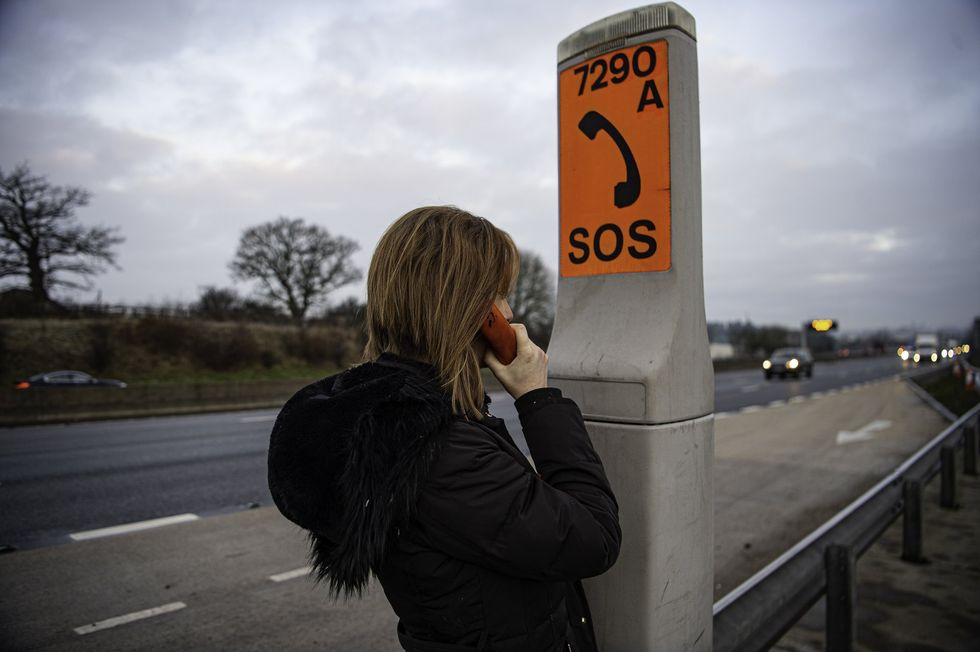
The new training could help save 50 per cent more lives
|NATIONAL HIGHWAYS
National Highways said that improving outcomes in the critical moments after a serious crash forms an essential component of its broader road safety strategy.
The organisation has adopted the Safe System approach since 2015, an internationally recognised framework that considers how roads, vehicles, people, speeds and post-collision care interact to reduce deaths and serious injuries.
The programme comprises three standalone 20-minute modules delivered entirely online, designed to accommodate existing driver training schedules and shift patterns.
Each module addresses a distinct aspect of collision response, including making an effective emergency call, followed by managing hazards while protecting oneself and securing the scene, and administering fundamental first aid.
LATEST DEVELOPMENTS
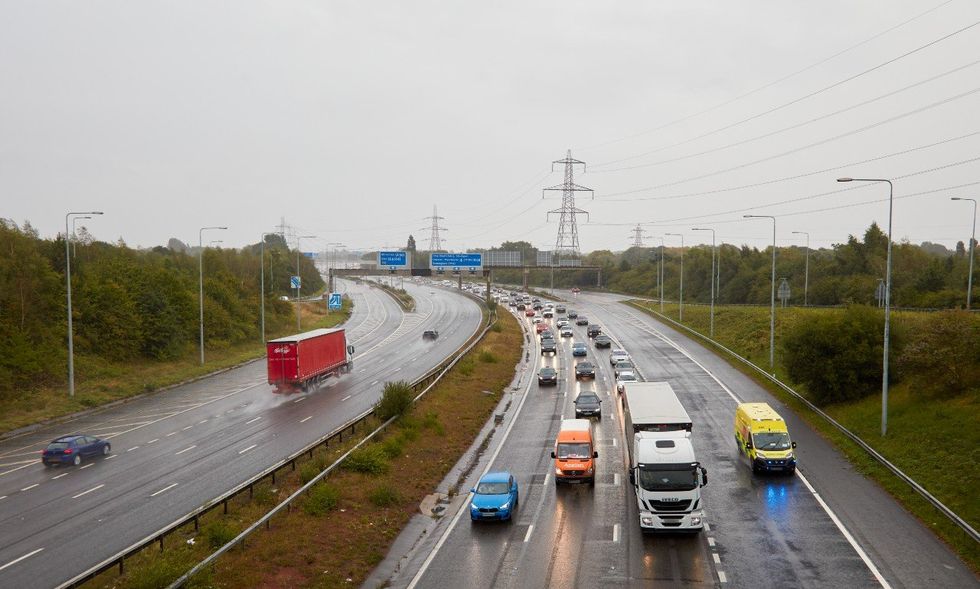
In 2024, 1,931 people suffered fatal or serious injuries in England
|NATIONAL HIGHWAYS
Practical guidance throughout the course emphasises the importance of staying safe, minimising risk, and avoiding actions that could worsen the situation.
Fleet operators provided feedback during testing phases, which helped refine both the content and structure of the modules. National Highways stressed that the training complements rather than replaces professional emergency response or accredited first aid qualifications.
Mark Cartwright, head of commercial vehicle incident prevention at National Highways, said: "Motorways and major A roads carry around two-thirds of all freight traffic in England, so we potentially have millions of commercial drivers that are often among the first people at the scene following a collision.
"This training is not about pressuring anyone to do anything they're uncomfortable with, it's about being collaborative and realistic, and providing information that might help save lives."
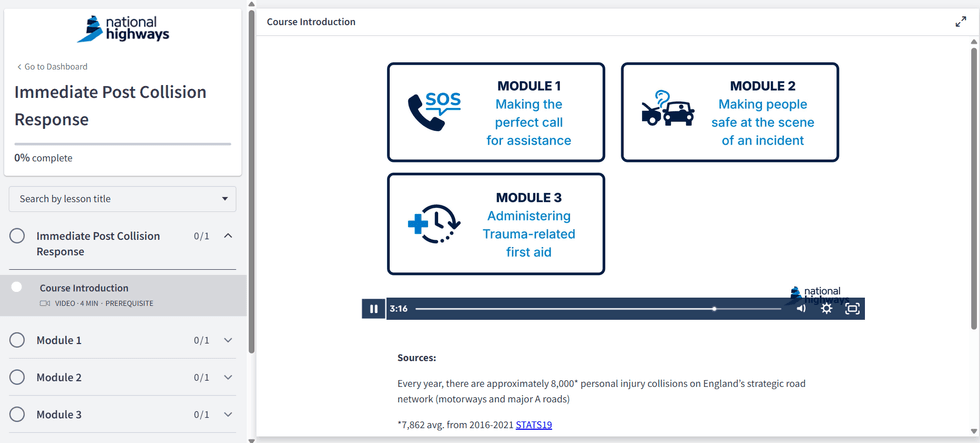
The training modules hope to improve road fatalities
|NATIONAL HIGHWAYS
The organisation is now reaching out to businesses operating commercial vehicle fleets, encouraging them to incorporate the modules into their existing driver development programmes.
Professor Tim Nutbeam, a consultant in emergency and prehospital emergency medicine at Plymouth Hospitals NHS Trust and Devon Air Ambulance, provided clinical guidance for the course content.
Professor Nutbeam said: "What happens in the first few minutes following a collision can make a real difference, and I believe this type of project can help improve safety on the road network.
"This isn't about turning commercial drivers into paramedics, it's about empowering and equipping people with basic knowledge so they understand what they can help with, while always putting their own safety first."