








Drivers obeying new red routes have helped deliver a measurable drop in air pollution, alongside sharp improvements in road safety across some of the city's busiest corridors.
Two years after the scheme was introduced in April 204 by Brighton & Hove City Council, reports showed that better compliance with the rules on Preston Road, London Road and Lewes Road has reduced congestion, cut dangerous stopping and contributed to lower nitrogen dioxide levels in the air.
The routes were brought in after repeated complaints from residents about anti-social parking causing blockages and making conditions unsafe for buses, cyclists and pedestrians. The system uses CCTV enforcement to ensure drivers follow existing restrictions more consistently.
Monitoring sensors installed along the routes recorded a reduction in nitrogen dioxide levels within six months of the scheme starting. The council said this improvement has continued into 2025.
TRENDING
Stories
Videos
Your Say
According to the council, when drivers stopped blocking key routes and kept traffic moving more freely, emissions dropped. Less idling traffic and fewer bottlenecks have meant cleaner air along these heavily used roads.
Councillor Trevor Muten, Cabinet member for Transport and City Infrastructure, said the change has been clearly visible in the data.
He said: "It's great to see the positive impact the red routes are having. Anti-social parking and stopping were a big problem on these roads, making them dangerous and causing congestion for other road users.
"We've had very positive feedback on the impact of the red routes, the data shows they're a lot safer, and we've also seen marked improvements in the air quality on these routes."
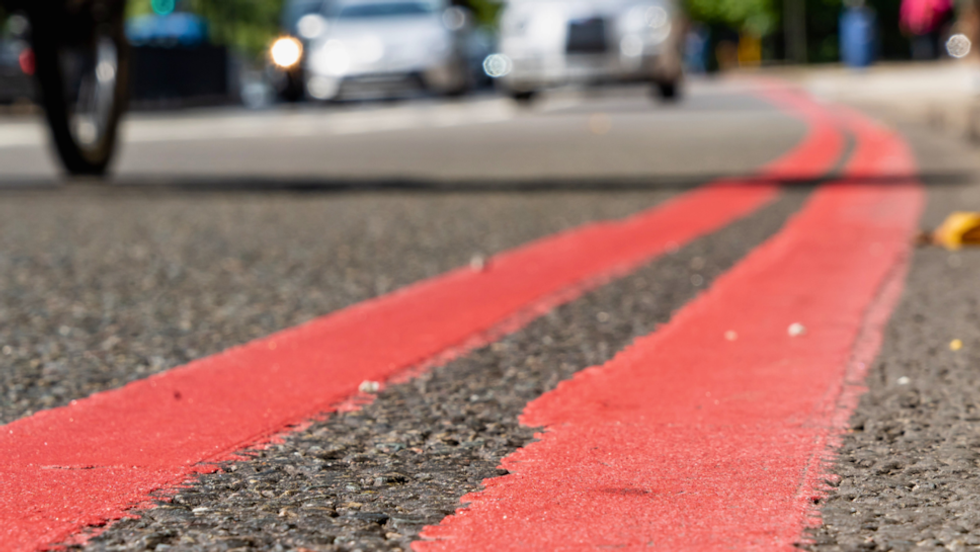
The council has seen lower levels of congestion in the past two years on the affected roads
| READING COUNCILAlongside the environmental gains, safety outcomes have improved significantly. In the 12 months before red routes were introduced, 31 people were injured across the three locations.
In the first year after implementation, that figure dropped to 19, a 39 per cent reduction in slight and serious injuries.
The improvement has continued into the second year, with a 48 per cent reduction compared with the equivalent period before the scheme began. So far, year two has recorded just 17 injuries across the same areas.
Bus passengers have also seen major benefits. Brighton & Hove Buses reported an 85.7 per cent reduction in passenger injury incidents in red route zones, highlighting the impact of keeping roads clearer and more predictable for large vehicles.
LATEST DEVELOPMENTS

The council recorded lower levels of pollution since introducing the red routes
| GETTYOne of the key concerns raised before the scheme launched was that stricter parking enforcement might harm local businesses by reducing customer visits.
However, early figures suggested that the routes may have had an impact. On London Road, footfall actually increased after the red routes were introduced.
Between May 2024 and April 2025, there were 4.89 million recorded pedestrian movements, compared with 4.78 million in the previous year, an increase of more than 100,000.
Councillor Muten added: "We know one of the concerns from businesses about red routes is that it will discourage shoppers."
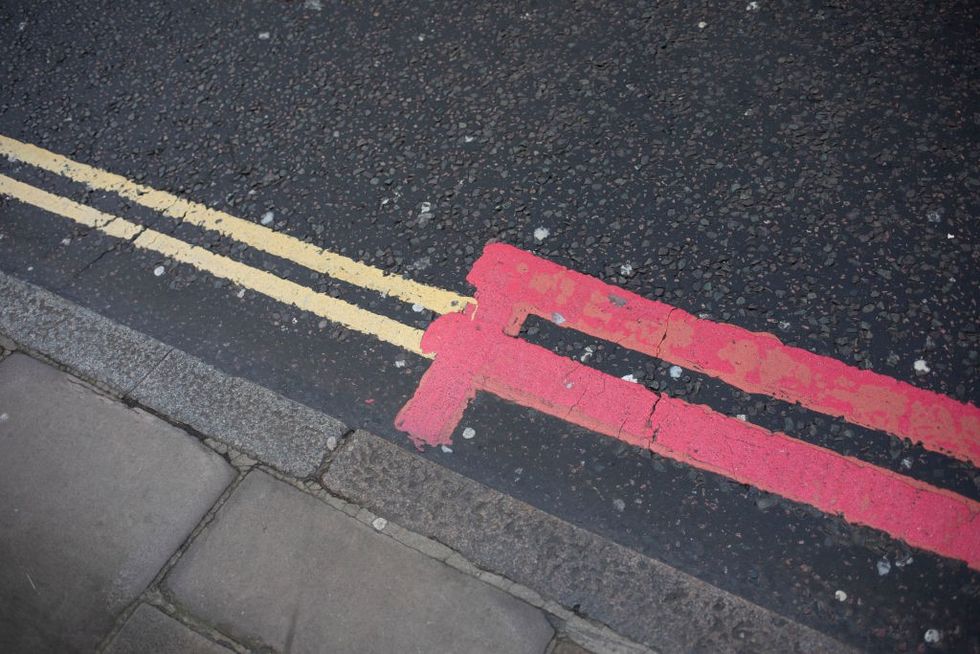 Red routes are put in place to keep roads clear | GETTY
"But our data clearly shows there 's been no impact on the number of people using London Road, which is great news," he shared.
By tackling illegal stopping and improving compliance with basic parking rules, the red routes have helped reduce congestion hotspots that previously slowed buses and blocked key commuter corridors.