








Melanoma diagnoses in the United Kingdom have surpassed 20,000 for the first time on record, with 20,980 people receiving a diagnosis of the most serious form of skin cancer in 2022.
Analysis by Cancer Research UK reveals the disease could affect as many as 26,500 individuals annually by 2040, representing increases of 23 per cent among men and 26 per cent among women.
The charity attributes the rising figures to Britain's expanding and ageing population.
Michelle Mitchell, chief executive of Cancer Research UK, said: "The fact that most of these cases are preventable underlines the importance of people taking sun safety seriously."
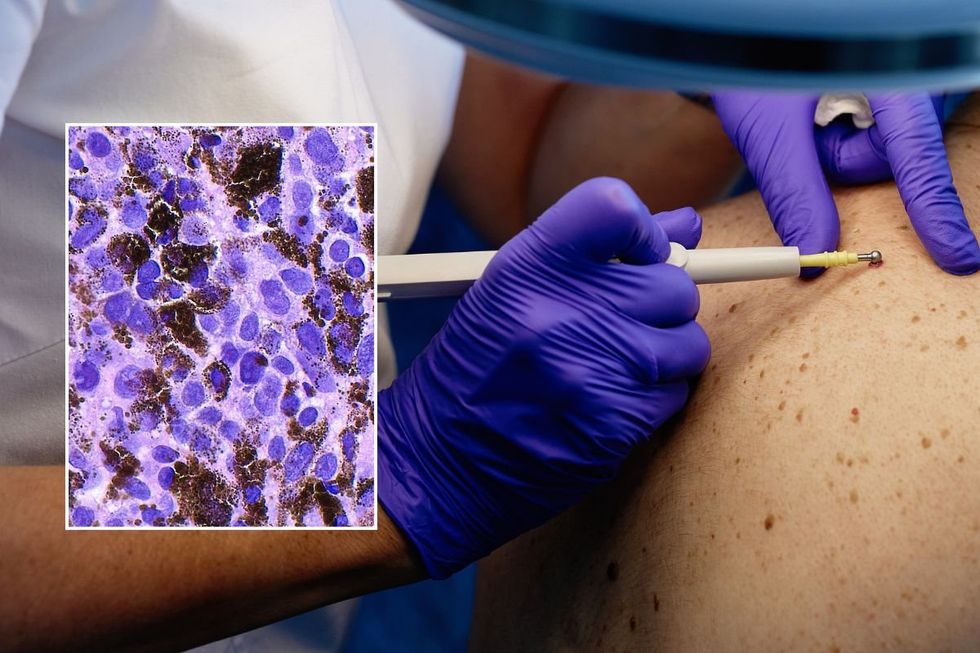
Melanoma ranks as the fifth most prevalent cancer in Britain
|GETTY
Melanoma ranks as the fifth most prevalent cancer in Britain and holds the top position worldwide.
Approximately nine out of ten UK cases result from excessive exposure to ultraviolet radiation, whether from sunlight or sunbeds. Experiencing five or more sunburns doubles an individual's melanoma risk.
The heat health alerts have been issued across England by the UK Health Security Agency and the Met Office, signalling conditions that may pose risks to vulnerable individuals.
Prof Peter Johnson, national clinical director for cancer at NHS England, said: "Melanoma skin cancer is one of the most preventable cancers and these figures are a stark reminder of the importance of staying safe in the sun."
He added: "With sunny weather forecast this bank holiday, we want people to enjoy the sunshine sensibly by using high-factor sunscreen, covering up and seeking shade, especially during the hottest parts of the day."
Health professionals are urging the public to take precautions during the warm spell, particularly given the record melanoma figures.
Dr Ayesha Bryant, clinical advisor at Alpas Wellness, explained that early melanoma symptoms are often subtle and can be mistaken for harmless skin changes.
LATEST DEVELOPMENTS:
She told GB News: "One of the best ways to identify possible signs of melanoma is by paying attention to changes in your skin or moles."
Medical professionals recommend the ABCDE method for spotting potentially dangerous moles.
This involves checking for asymmetry where both halves differ, borders that appear jagged or uneven, colour variations within the same mole, a diameter exceeding roughly 6mm, and any evolution in appearance over weeks or months.
Dr Bryant cautioned that not all melanomas display dark pigmentation. Amelanotic varieties may present as red, pink, or match the surrounding skin tone, contributing to delayed detection.
She continued: "Lastly, the primary message here is that you shouldn't wait for pain to seek medical evaluation.
"Early-stage melanoma generally presents without pain and early diagnosis offers better treatment options."
Research indicates melanoma distribution varies between sexes. Around four in ten cases among men develop on the torso, including the back, chest and stomach, whilst approximately 35 per cent of female cases appear on the lower limbs.
Dr Bryant advised that self-examinations should include often-overlooked areas such as the scalp, spaces between toes, and beneath fingernails.
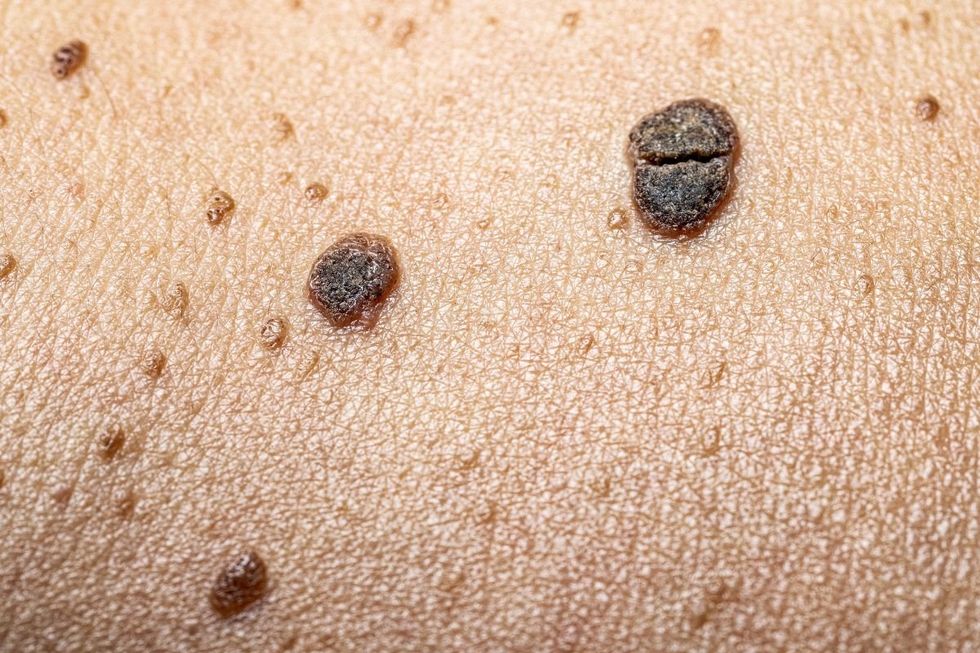
Self-examinations should include often-overlooked areas of the body
|GETTY
Fiona Osgun, head of health information at Cancer Research UK, said: "Sunburn is a clear sign your skin has been damaged. Whether you are enjoying being outside abroad or at home, it's important to protect yourself from the sun."
She noted that sun damage can occur even on cooler or overcast days.
Experts recommend seeking shade during midday hours, covering shoulders, wearing hats and sunglasses, and applying sunscreen with minimum SPF 30 and four or five stars.
Mitchell urged anyone noticing unusual skin changes, including new or evolving moles or sores that fail to heal, to contact their GP promptly.
Our Standards: The GB News Editorial Charter