




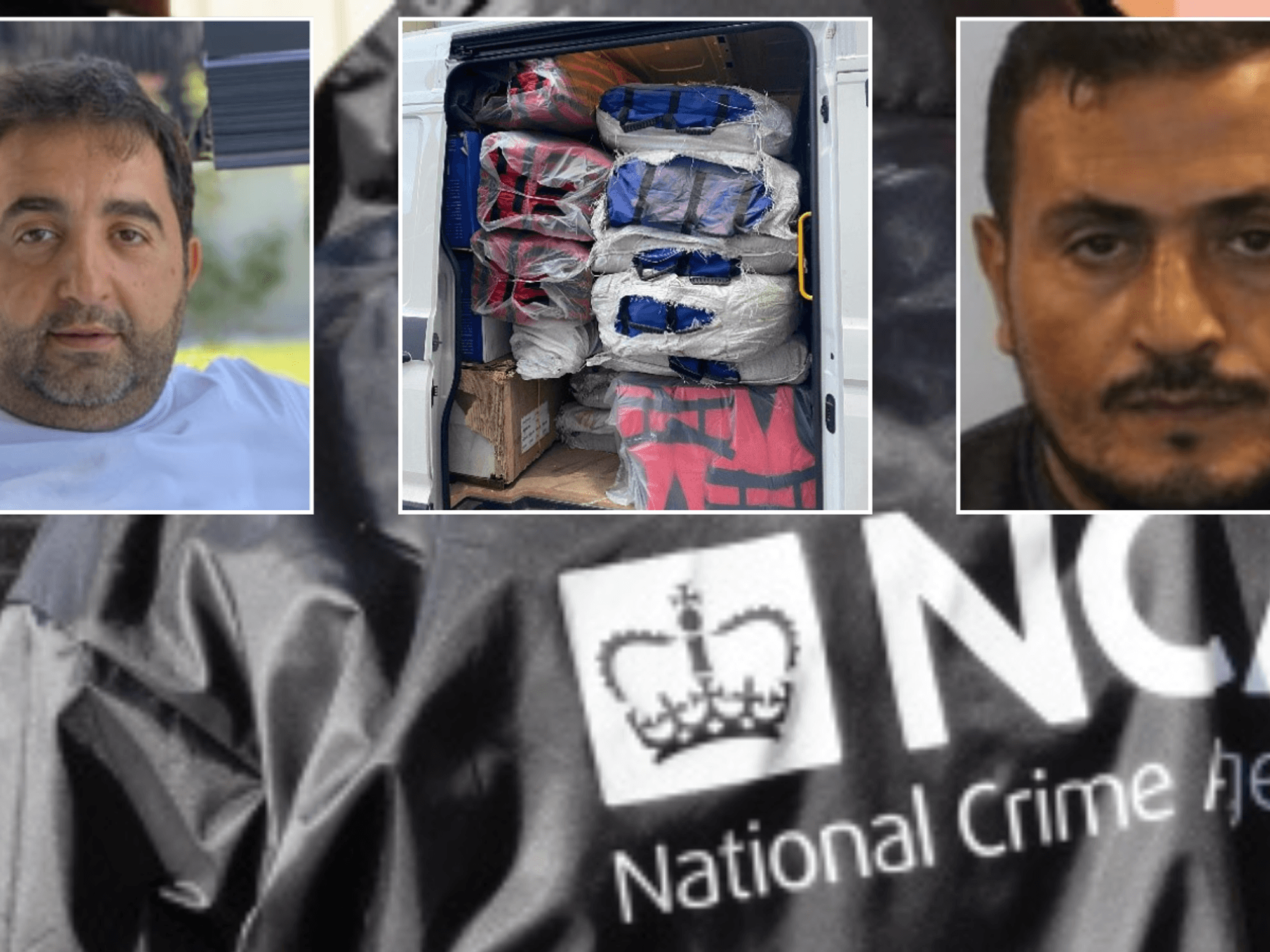





NHS trusts have been paying psychiatric offenders to give patient care advice, a new investigation has uncovered.
The offences include individuals who have committed homicide to guide patient care.
Multiple cases have emerged where violent offenders promoted as "patient experts" either went on to kill following their discharge or offered advice on care despite having previously taken lives.
The practice stems from NHS England's "recovery approach", which was the centre of a Telegraph investigation.
The scheme allows formerly violent psychiatric patients to be designated as "experts by experience" and work alongside medical professionals as "equal partners" in advising trusts.
These individuals are brought in to help improve mental health services, participate in staff recruitment and training, and contribute to research initiatives.
Medical professionals and campaigners have expressed alarm that offenders with psychiatric histories employed in these roles may be released prematurely, potentially endangering the public while failing victims and their families.
A former NHS psychiatrist cautioned that participation in such programmes "could be seen as (making) progress", potentially accelerating patients' discharge from secure facilities before they are truly ready.

NHS trusts have been paying psychiatric offenders to give patient care advice, a new investigation has uncovered
|GETTY
The former leader of an NHS mental health trust called the investigation's findings "very worrying".
He said: "Hearing the user experience is one thing. But getting someone who has killed someone to advise you on how to care for people who are seriously ill is another."
One prominent case involves Martin Saberi, a repeat offender diagnosed with bipolar disorder in 2008.
He had served 16 years for armed robbery before his release on licence in 2016.
LATEST DEVELOPMENTS

The offences include individuals who have committed homicide, to provide guidance on patient care
|GETTY
The Royal College of Psychiatry engaged him to lead a substance misuse workshop at its annual forum in July 2018, with participants in such schemes able to earn up to £140 daily.
In January 2019, Saberi murdered Amy Griffiths, a transgender woman he had met through a dating website, beating her with a baseball bat before strangling and cutting her throat.
An NHS England report noted he had been working as a lived experience consultant the day before the attack with no concerns raised.
It suggested the role "may have led to some considerable pressure for [him] to maintain a coping façade".
Multiple cases have emerged where violent offenders were promoted as 'patient experts'
|GETTY
The report also found staff overseeing Saberi's care concentrated on his current risk assessment when easing restrictions, neglecting proper examination of his violent history, which led to a "rapid" reduction in treatment that left him "vulnerable".
A retired psychiatrist from Nottinghamshire Healthcare NHS Foundation Trust revealed the emphasis on "lived experience" resulted in killers being enlisted to train staff, advise on spending decisions, and even tour other secure hospitals.
He said patients who had committed homicide were taken to inspect security arrangements at other facilities, including examining fence heights, testing keys, and reviewing CCTV systems.
He said: "In my view, patients who've committed serious offences should not be inspecting the adequacies or deficiencies of other secure hospitals."
An NHS spokesman said: "It is important that the NHS listens to patients about their experiences of care.
"The term ‘expert by experience’ refers to people who give detailed feedback on their experiences to help plan and improve services – this happens across healthcare in both physical and mental health services.
"It does not refer to people being equated with doctors or nurses in healthcare settings."
Our Standards: The GB News Editorial Charter