







An NHS trust in Derbyshire has stopped serving tea and coffee to patients across 10 hospitals, implementing decaffeinated alternatives.
Derbyshire Community Health Services NHS Foundation Trust, which operates facilities including Ilkeston and Ripley Community Hospitals, introduced the measure over concerns about patient wellbeing.
The affected sites span the county, encompassing Babington Hospital in Belper, Buxton Hospital, Cavendish Hospital, Clay Cross Hospital, St Oswald's Hospital in Ashbourne, Walton Hospital in Chesterfield, Whitworth Hospital in Darley Dale, and Florence Nightingale Community Hospital in Derby.
Patients may still request caffeinated beverages if they wish.
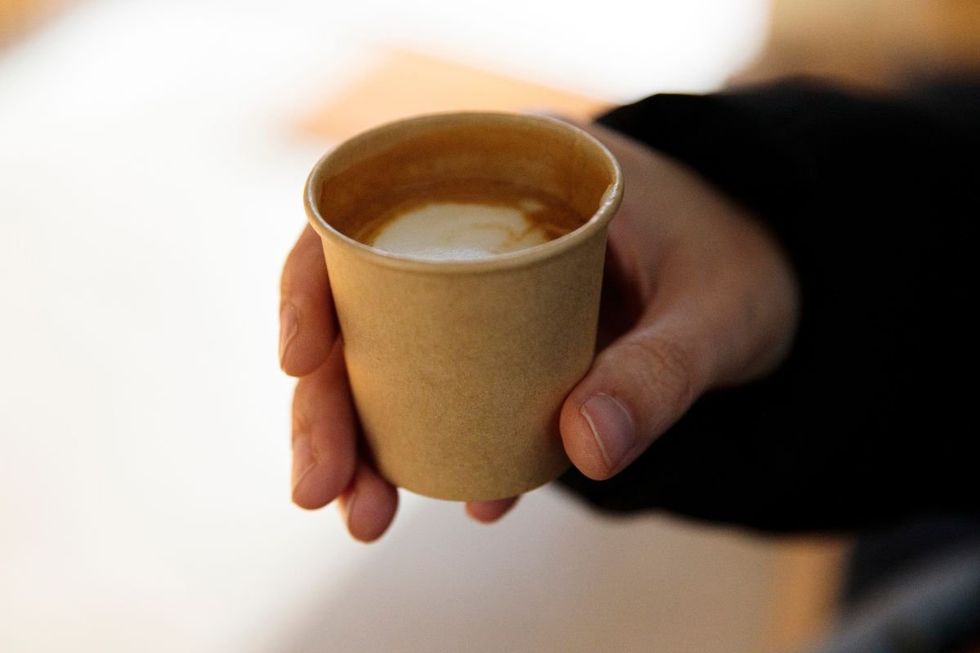
Patients may still request caffeinated beverages if they wish
|GETTY
The trust's board papers outline the clinical rationale behind the policy shift, describing caffeine as a central nervous system stimulant with documented adverse effects.
According to the documentation: "Caffeine, a central nervous system stimulant, has been clinically demonstrated to induce adverse physiological responses including anxiety, sleep disturbances, cardiovascular responses, and serious reactions such as arrhythmias."
The trust identified connections between caffeine intake and heightened risk of patient falls, disrupted sleep patterns, sudden spikes in blood pressure, and heart palpitations.
Board papers further noted that consuming more than two cups of coffee or four cups of tea daily may increase the likelihood of bone fractures.
Research conducted by Stow Healthcare provided evidence for the policy change, demonstrating a 34.72 per cent decrease in patient falls during trials where caffeine was not routinely offered.
The same study revealed that incidents involving continence-related falls dropped by 30 per cent.
The trust's analysis also highlighted improvements in sleep quality and reduced instances of sudden cardiovascular fluctuations following caffeine removal.
LATEST DEVELOPMENTS
According to the Mayo Clinic, a typical cup of coffee contains approximately 96 milligrams of caffeine, whilst tea holds around 48 milligrams.
The recommended safe daily intake for adults stands at 400 milligrams, the health research organisation states.
Despite the ward-level restrictions, patients and visitors retain access to caffeinated options through alternative means.
Vending machines dispensing both hot and cold caffeinated beverages remain operational throughout the trust's hospital sites.
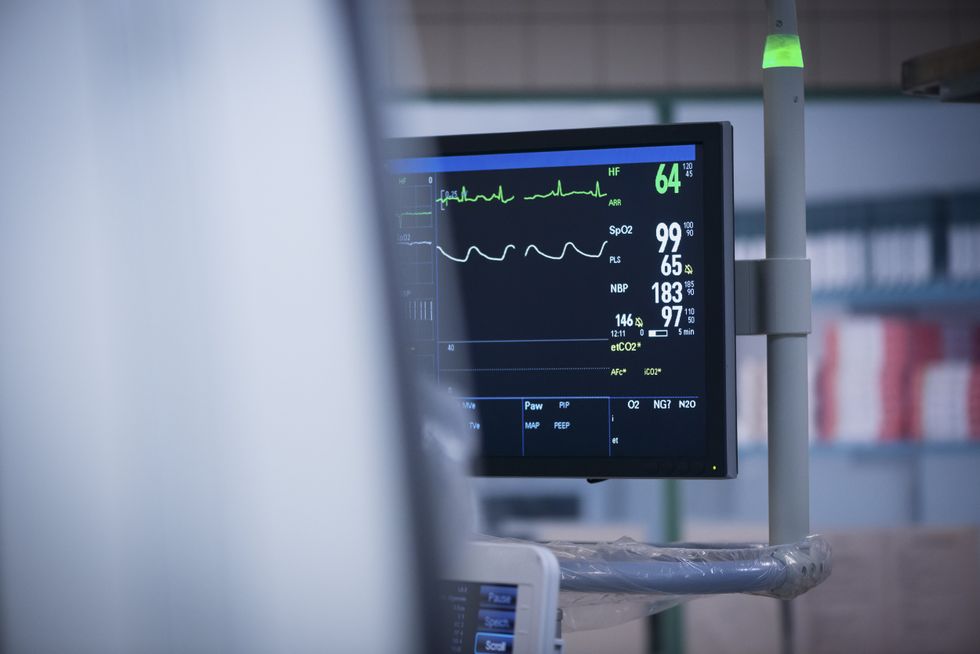
'Caffeine has been clinically demonstrated to induce serious reactions such as arrhythmias'
|GETTY
Furthermore, charitable community groups continue to operate cafes at the major Ilkeston and Ripley locations, with the trust's endorsement, serving caffeinated drinks to patients, staff and visitors alike.
Consumer group Which? has previously found considerable variation in caffeine content across high street brands, with a Starbucks cappuccino containing 66 milligrams compared to 325 milligrams in the equivalent Costa beverage.
The trust maintains that caffeinated drinks remain available upon individual patient request.
Our Standards: The GB News Editorial Charter