










Approximately two-thirds of individuals believed to be suffering from acid reflux do not actually have the condition, a landmark study by the Functional Gut Clinic has revealed.
The research found that 66 per cent of those tested displayed normal acid exposure levels, suggesting widespread misdiagnosis across the country.
Prof Anthony Hobson, the clinic's director, said: "It suggests that there could be a significant number of patients in the UK who have been misdiagnosed with GORD."
With an estimated 10 million adults currently taking medication for persistent gastro-oesophageal reflux disease, the findings indicate that roughly six million Britons may be receiving unnecessary treatment.
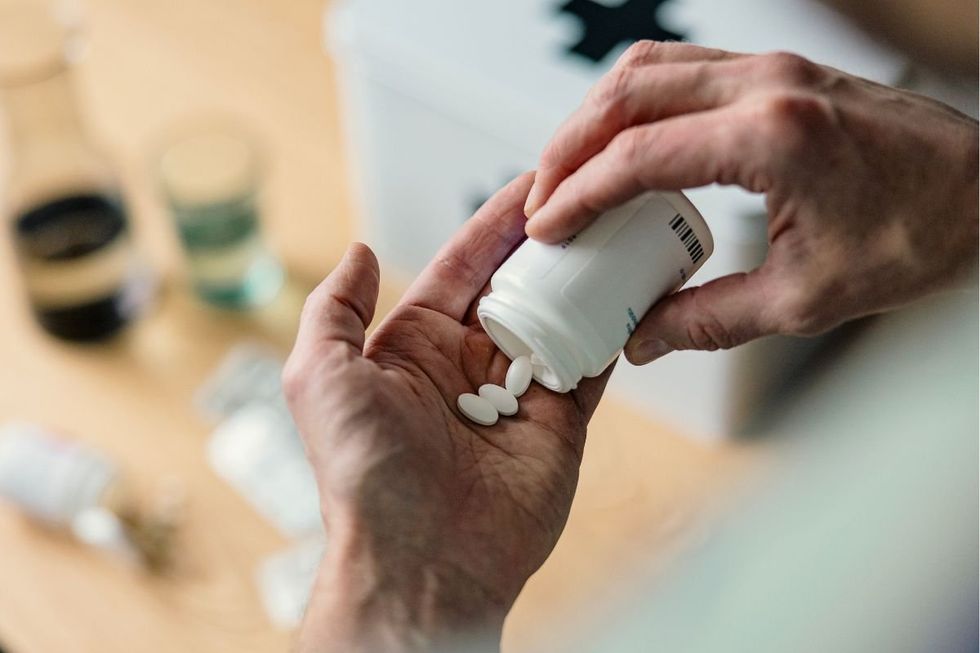
Acid-blocking medications known as proton pump inhibitors cost the NHS approximately £190million annually
|GETTY
These patients likely require alternative diagnoses and different therapeutic approaches altogether.
The scale of unnecessary prescriptions represents a significant burden on the National Health Service, with acid-blocking medications known as proton pump inhibitors costing approximately £190million annually.
Between five and 10 million people receive PPI prescriptions each year, yet current NHS protocols mean only one in 12 patients undergo testing for the condition.
Prof Hobson warned that for many patients, these drugs had become a "patch-over" solution that merely suppressed symptoms whilst eliminating 80 per cent of stomach acid.
He cautioned that this approach could produce "profound effects" on the gut's microbiome, potentially increasing susceptibility to stomach infections among those who do not actually have excessive acid production.
The reliance on medication also discourages lifestyle modifications, despite obesity and alcohol consumption being primary contributors to genuine reflux.
Scientists conducted their investigation across six NHS trusts, examining more than 700 individuals who were already receiving medication for suspected acid reflux.
The results proved striking: merely one-third of participants satisfied the diagnostic criteria for the condition.
Experts believe the remaining patients are likely experiencing entirely different ailments that present with similar symptoms.
Small Intestinal Bacterial Overgrowth, commonly known as SIBO, emerged as one probable alternative diagnosis.
Functional heartburn and oesophageal hypersensitivity were also identified as conditions frequently mistaken for genuine acid reflux.
LATEST DEVELOPMENTS
Under current NICE guidelines, reflux testing is typically reserved for patients who have not responded to an initial course of PPIs.
However, some NHS trusts now face testing backlogs exceeding 12 months, leaving patients dependent on repeated medication courses without proper diagnosis.
Prof Hobson emphasised the broader consequences of misdiagnosis, stating: "Millions of people have these symptoms and the effects they have on quality of life, workplace absenteeism and longevity can be devastating."
He added: "If you can pinpoint the reasons and get an effective treatment so that reflux is no longer causing symptoms or damage, that can have a huge impact."
Dr Paul Goldsmith, a gastrointestinal surgeon at Manchester University NHS Foundation Trust, offered further insight into treatment options.
He noted that approximately 15 per cent of patients with confirmed GORD have underlying conditions such as hernias.
For these individuals, surgical intervention may prove more beneficial than prolonged reliance on PPI medication, potentially offering a more permanent resolution to their symptoms.
A spokesman for the Department of Health and Social Care acknowledged patient frustrations regarding diagnostic delays, noting that record levels of diagnostic activity had been delivered over the past year.
The department highlighted significant investment in new and upgraded Community Diagnostic Centres nationwide, with waiting lists now at their lowest point in three years.
Dr Hugh Coyne, GP and co-founder of Coyne Medical, advised that PPIs should only be taken when genuinely needed, at the correct dosage and for the appropriate duration.
He warned that reducing stomach acid unnecessarily could impair vitamin B12 absorption and heighten pneumonia risk.
He urged patients experiencing difficulty swallowing, unintentional weight loss, gastrointestinal bleeding, or persistent vomiting to consult their doctor promptly, as these symptoms warrant further investigation regardless of whether medication appears effective.

PPIs are among the most prescribed medicines worldwide
|GETTY
"PPIs are among the most prescribed medicines worldwide," he told GB News. "They can help with many conditions caused by excess acid in the stomach or acid reflux, including stomach ulcers and are sometimes used as protective therapy for people at high risk of acid-related issues, such as those taking steroids or non-steroidal anti-inflammatory medicines.
"Like most medicines, it is important that they are only taken when needed, and then at the right dose for the right length of time.
"Often, patients can step down from twice-daily to once-daily therapy, especially if they are supported in identifying and reducing reflux triggers.
"Patients might also try reducing or stopping them to see if they still need the medicine. We want to reduce or stop PPIs if they are no longer needed, as reducing stomach acid can lower absorption of vitamins such as B12 and increase the risk of infections such as pneumonia."
Our Standards: The GB News Editorial Charter